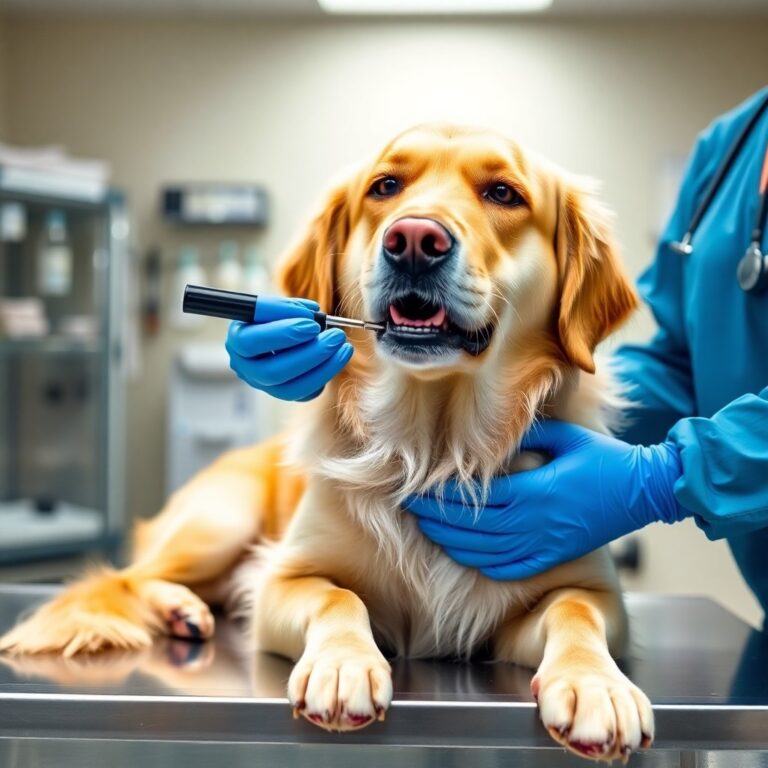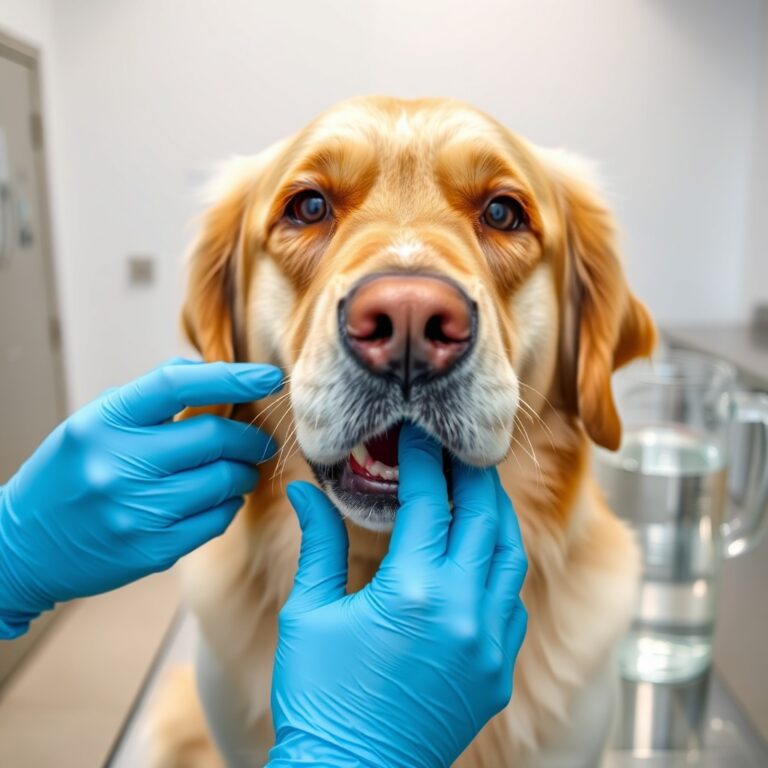

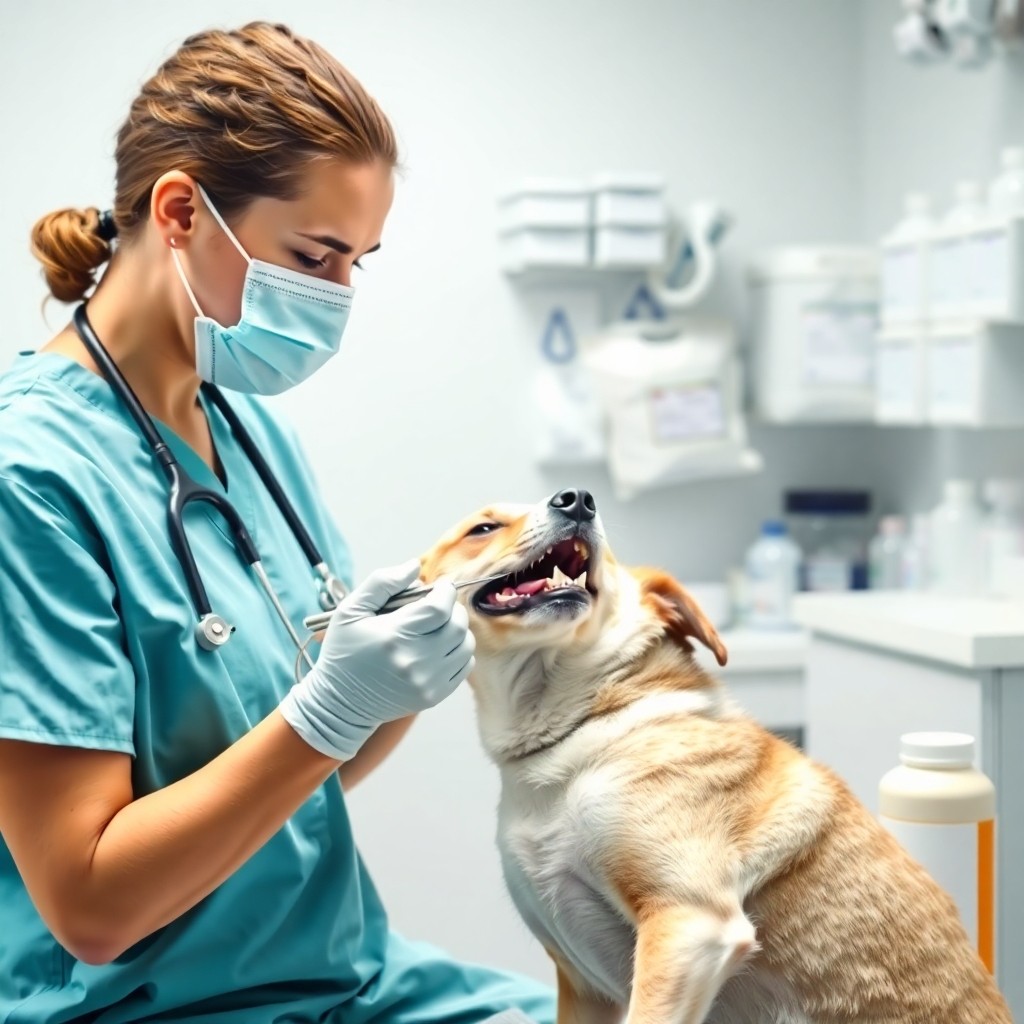
If your dog suddenly breathes out an odor that reminds you more of a fish market than a canine companion, that immediate urge to step back is entirely natural—yet it is a sign worth investigating. While a funky smell can occasionally stem from something curious your pet got into, a persistent fish-like stench usually points to an underlying health matter that needs a closer look.
A dog’s breath smells like fish primarily due to periodontal (dental) disease, which allows odor-producing bacteria to multiply, or from the dog licking its anal glands, which secrete a pungent, fishy-smelling fluid. Other potential causes include kidney disease, diabetes, or dietary issues.
The Primary Causes of Fishy Breath in Dogs
To address bad breath (halitosis) effectively, it is essential to isolate where the smell originates. While the mouth is the obvious source, behavioral habits and internal metabolic systems can also project this unpleasant odor.
1. Anal Gland Grooming and Licking
The most common culprit behind a sudden, intense fishy smell from a dog’s mouth has nothing to do with the teeth. Dogs have two small sacs located on either side of their anus, known as anal glands. These glands produce a oily, extremely pungent fluid with a strong fishy odor, which is normally expressed during defecation for scent marking.
If these glands become impacted, infected, or full, dogs will lick the area obsessively to relieve the pressure and discomfort. Through this grooming process, the fishy fluid is transferred directly onto their tongue and teeth, leading to instant bad breath. For owners, this means if your dog is frequently licking its rear end or scooting across the carpet, the oral odor is likely secondary to an anal gland issue rather than a dental one.
2. Periodontal and Dental Disease
According to the American Animal Hospital Association (AAHA), dental disease is one of the most common clinical conditions diagnosed in adult dogs. When plaque and tartar build up on the teeth, they provide a fertile breeding ground for anaerobic bacteria. These bacteria produce volatile sulfur compounds (VSCs) as they break down food debris and tissue, resulting in a foul, sometimes fishy, decomposing smell.
Left untreated, periodontal disease progresses from mild gingivitis to bone loss, painful tooth abscesses, and systemic infections. The Veterinary Oral Health Council (VOHC) emphasizes that active oral infections can release bacteria directly into the bloodstream, potentially damaging the heart, kidneys, and liver.
3. Dietary Habits and Supplements
The simplest explanation for fishy breath is dietary intake. If a dog consumes high-quality fish oil supplements for joint or skin health, some residual oil may coat the inside of the mouth. Additionally, lower-grade commercial pet foods that use cheap fish meal or fish by-products as protein sources can leave a lingering odor long after mealtime is over. Dietary indiscretion—such as rummaging through garbage or eating dead wildlife—can also introduce pungent bacteria to the oral cavity.
4. Systemic Metabolic Diseases
In rarer cases, a fishy or sweetish-foul smell can point to systemic organ dysfunction. When the kidneys fail to adequately filter waste products from the blood, toxins build up in the body. This condition, known as uremia, can manifest as a distinct metallic, fishy, or ammonia-like smell on the breath. Diabetes mellitus can also alter breath odor, often making it smell sweet or fruity, but secondary oral infections common in diabetic dogs can turn the odor foul and fishy.
Comparing Common Causes of Fishy Odor
This diagnostic guide helps differentiate between benign issues and clinical conditions requiring veterinary intervention:
| Potential Cause | Accompanying Symptoms | Severity Level | Recommended Action |
|---|---|---|---|
| Anal Gland Impaction | Scooting, biting tail base, licking rear. | Moderate | Professional expression by a vet or groomer. |
| Periodontal Disease | Yellow/brown tartar, red or bleeding gums, loose teeth. | Moderate to High | Veterinary dental cleaning and home brushing. |
| Dietary / Supplements | No other symptoms; odor appears shortly after eating. | Low | Adjust diet; wipe mouth after feeding. |
| Kidney Disease | Increased thirst, frequent urination, lethargy, weight loss. | Critical | Immediate veterinary diagnostics and bloodwork. |
Actionable Steps for Treatment and Prevention
Resolving fishy breath requires a targeted approach based on the underlying source of the odor. Here is how to manage and prevent the issue:
Establish a Veterinary Dental Protocol
Daily brushing remains the gold standard for canine oral hygiene. Veterinary-specific toothpastes (never use human toothpaste, as it contains toxic xylitol) are formulated with enzymes that break down plaque. For optimal results, introduce brushing gradually using a finger brush.
Additionally, integrate dental chews and water additives that carry the Veterinary Oral Health Council (VOHC) seal of approval. These products have been scientifically proven to reduce plaque and tartar buildup by specified percentages.
Address Anal Gland Health
If the smell stems from anal gland licking, consult a veterinarian. Do not attempt to express the glands at home without proper instruction, as improper technique can cause tissue damage or rupture. Feeding a high-fiber diet can help naturally bulk up the stool, which puts natural pressure on the glands to express themselves during normal bowel movements.
Schedule Professional Dental Cleanings
Just like humans, dogs require professional dental scaling and polishing under general anesthesia. The World Small Animal Veterinary Association (WSAVA) and (AAHA) emphasize that anesthesia-free dental cleanings are purely cosmetic; they do not allow for subgingival cleaning where the most damaging bacteria reside. A comprehensive veterinary dental exam includes dental X-rays to assess bone health beneath the gum line.
When to Seek Urgent Veterinary Attention
While bad breath is rarely an instantaneous medical emergency, certain clinical signs indicate that the fishy odor is a symptom of a deeper crisis. Seek immediate veterinary evaluation if your dog displays any of the following symptoms:
- Complete loss of appetite or difficulty chewing food.
- Gums that are bright red, bleeding, pale, or yellowed.
- Excessive drooling, especially if mixed with blood.
- Sudden changes in water consumption and urination frequency.
- Chronic vomiting, diarrhea, or rapid weight loss.
References
- American Animal Hospital Association (AAHA) Dental Care Guidelines.
- Veterinary Oral Health Council (VOHC) Accepted Products List.
- World Small Animal Veterinary Association (WSAVA) Global Dental Guidelines.
Frequently Asked Questions
Can I use human mouthwash to cure my dog’s fishy breath?
No, human mouthwash must never be used on dogs. Most human mouthwashes contain alcohol, xylitol, or artificial sweeteners that are highly toxic to canines and can cause severe poisoning, liver failure, or life-threatening drops in blood sugar.
How often should my dog’s anal glands be expressed?
Healthy dogs do not need manual anal gland expression, as their glands empty naturally during bowel movements. If your dog requires frequent manual expression, it indicates an underlying issue, such as food allergies or lack of dietary fiber, which should be evaluated by a veterinarian.
Why does my puppy’s breath smell like fish?
Puppies often develop bad or fishy breath when they are teething, typically between 3 and 6 months of age. As adult teeth push through, minor bleeding and gum inflammation can occur. This creates an environment where bacteria thrive, leading to a temporary odor. However, a vet check is recommended to rule out retained baby teeth or foreign objects stuck in the mouth.