
If your dog suddenly starts licking the air repeatedly, act fast to observe the context—but do not panic. While this behavior looks highly unusual and can feel deeply alarming to watch, identifying the specific environmental and physical triggers is the first step toward finding a lasting solution.
Dogs keep licking the air primarily due to acute gastrointestinal distress (such as acid reflux or nausea), dental pain, focal seizures, or deep-seated behavioral anxiety. This repetitive motion is often an involuntary physical reaction to discomfort in the mouth, esophagus, or stomach, or a compulsive coping mechanism for stress.
Primary Causes of Air Licking in Dogs
To understand why a dog behaves this way, veterinarians categorize the triggers into three main areas: gastrointestinal, neurological, and behavioral. Pinpointing the category helps guide the diagnostic process.
1. Gastrointestinal Distress and Nausea
According to clinical studies, gastrointestinal (GI) disease is the most common underlying medical cause for excessive air licking. When a dog feels nauseated, their body naturally produces excess saliva. Licking the air and swallowing repeatedly is an attempt to manage this sudden influx of fluid and prevent vomiting.
Gastroesophageal reflux occurs when stomach acid flows back into the esophagus, causing a painful burning sensation. For owners, this means the dog is licking the air in a desperate attempt to swallow, salivate, and soothe the burning sensation in their throat. This is often accompanied by gulping, licking floors or walls, and eating grass.
2. Dental and Oral Discomfort
Localized pain inside the oral cavity can prompt a dog to lick the air as they attempt to dislodge a painful stimulus or soothe a sore area. Common oral issues include:
- Fractured or decaying teeth
- Periodontal disease and swollen gums
- Foreign objects wedged between the teeth or in the roof of the mouth
- Cuts or ulcers on the tongue
3. Neurological Conditions and Focal Seizures
In some cases, air licking is not a conscious reaction to pain but a neurological event. Focal seizures, often referred to as ‘fly-biting’ seizures, occur in a localized part of the brain. During these episodes, the dog may appear to bite at invisible flies or lick the air rhythmically while temporarily unresponsive to their owner\’s voice.
4. Behavioral and Compulsive Disorders
When physical ailments are ruled out, chronic air licking is often classified as a compulsive disorder. Dogs experiencing high levels of stress, separation anxiety, or cognitive decline (in senior dogs) may develop repetitive behaviors to self-soothe. The repetitive motion releases endorphins in the brain, offering temporary relief from internal tension.
Comparing Common Triggers of Air Licking
To help distinguish between these medical and behavioral issues, veterinarians evaluate the pattern of symptoms. The table below outlines key diagnostic indicators based on standard clinical patterns:
| Primary Trigger | Accompanying Symptoms | Typical Frequency | Urgency Level |
|---|---|---|---|
| Acid Reflux / Nausea | Gulping, lip-smacking, eating grass, floor licking | Intermittent, often post-meal | Moderate (requires vet check) |
| Dental Disease | Drooling, bad breath, dropping food, pawing mouth | Persistent throughout the day | Moderate (requires dental exam) |
| Focal Seizures | Glazed-over eyes, unresponsiveness, fly-biting motions | Sudden, episodic bursts (1-3 minutes) | High (requires neurological workup) |
| Anxiety / Obsessive Compulsive | Pacing, whining, hyper-vigilance, tail chasing | Triggered by stress or boredom | Low to Moderate (requires training/therapy) |
Veterinary Diagnostic Protocols
Determining the exact cause of air licking requires a systematic diagnostic approach aligned with protocols recommended by the American Animal Hospital Association (AAHA). Because dogs cannot describe their discomfort, veterinarians rely on a sequence of targeted tests to isolate the problem.
The standard veterinary workup typically includes:
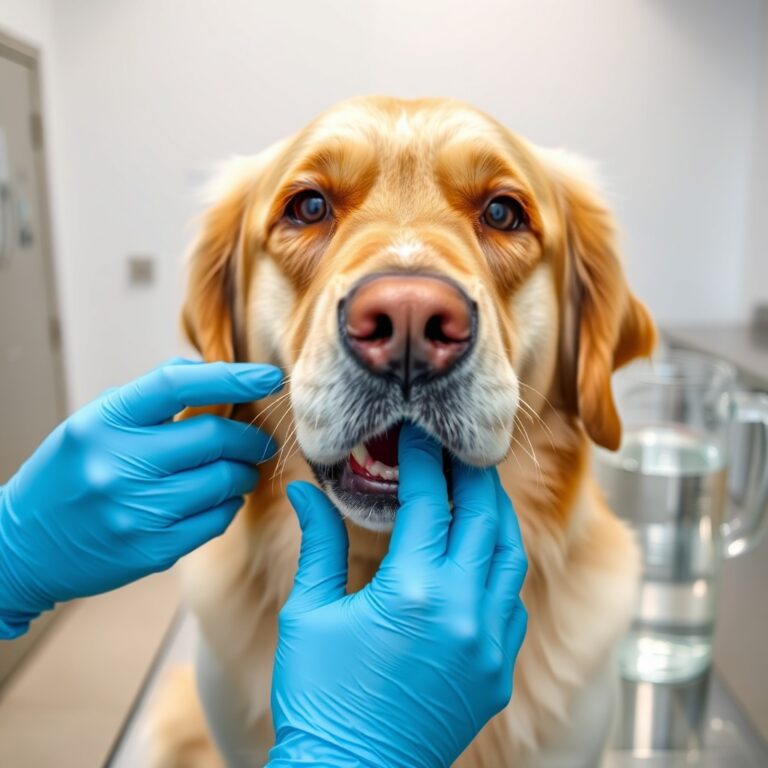
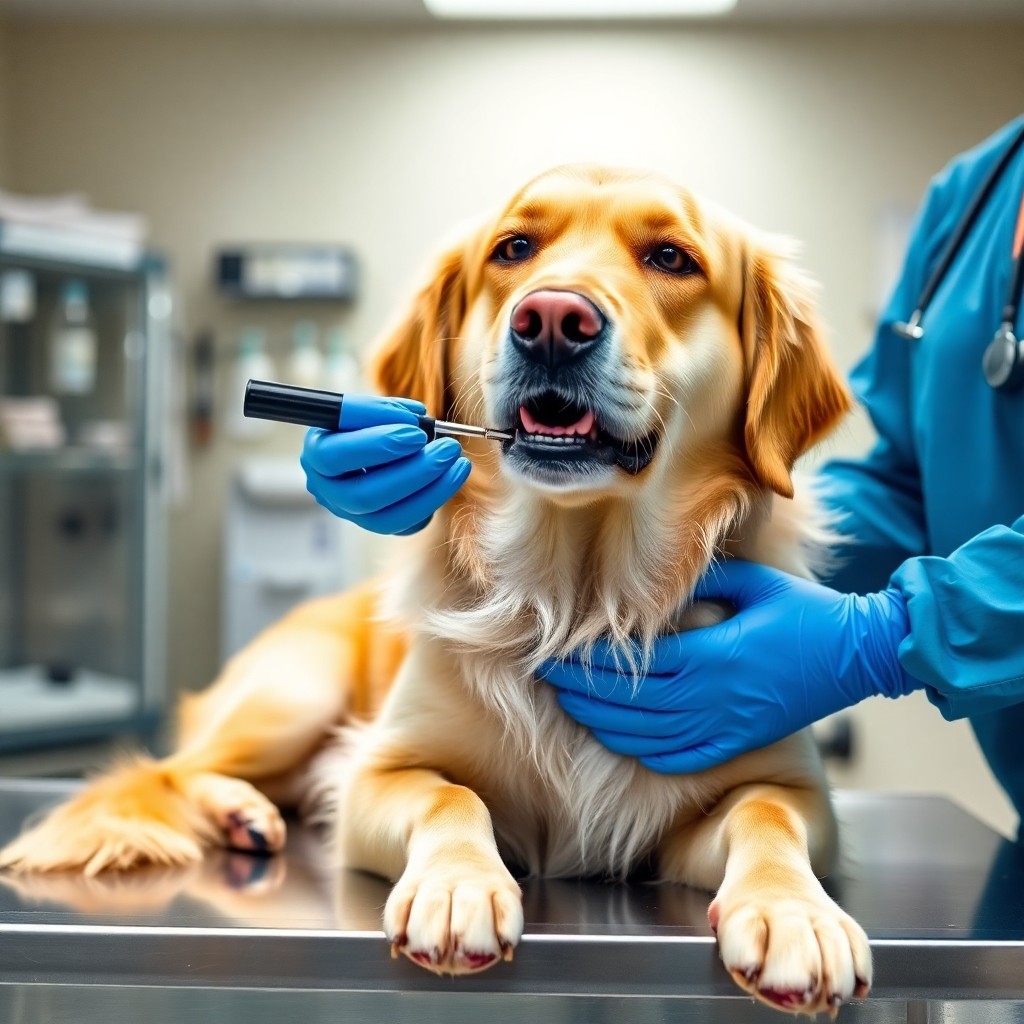
- Comprehensive Oral Exam: Performed to inspect the teeth, gums, tonsils, and sublingual areas under light sedation if necessary.
- Gastrointestinal Workup: May involve abdominal ultrasounds, blood chemistry panels to check organ function, and fecal tests to rule out parasitic infections.
- Neurological Assessment: If focal seizures are suspected, a veterinary neurologist may recommend an MRI or electroencephalogram (EEG) to monitor brain activity.
- Dietary Elimination Trials: To determine if food sensitivities are causing chronic mild inflammation in the gut, leading to silent acid reflux.
Immediate Action Plan for Pet Owners
If your dog starts licking the air, execute the following steps to ensure safety and gather crucial clinical data:
- Record a Video: Capture 1 to 2 minutes of the episode on your phone. Note whether the dog responds when you call their name during the behavior. This video is the most valuable tool you can provide to your veterinarian.
- Check the Mouth Safely: If the dog is fully conscious and cooperative, gently lift their lips to inspect the gums and teeth for foreign bodies, redness, or bleeding. Never force your hand into a dog\’s mouth if they appear distressed or aggressive.
- Assess the Environment: Look for any household items, toxic plants, or human foods the dog may have ingested recently.
- Avoid Scolding: If the behavior is driven by anxiety or a focal seizure, scolding will worsen the condition or increase stress levels.
Long-Term Management and Treatment
Once a definitive diagnosis is made, treatment focuses on resolving the specific trigger. For GI-related issues, veterinarians often prescribe antacids, mucosal protectants, or specialized highly digestible diets. If a dental issue is identified, professional cleaning and extractions under anesthesia are performed to eliminate localized pain.
For behavioral cases, management of compulsive disorders is based on guidelines from the World Small Animal Veterinary Association (WSAVA). This involves a combination of environmental enrichment, daily physical exercise, and behavior modification techniques. In severe cases of canine obsessive-compulsive disorder (OCD), selective serotonin reuptake inhibitors (SSRIs) may be prescribed to reduce anxiety and allow the dog to focus on behavior training.
When to Seek Immediate Emergency Care
While some air-licking episodes can wait for a scheduled veterinary appointment, certain signs demand immediate emergency intervention. If the air licking is accompanied by a distended or hard abdomen, non-productive retching (trying to vomit but nothing comes up), extreme restlessness, or pale gums, seek emergency care immediately. These are classic symptoms of Gastric Dilatation-Volvulus (GDV), commonly known as bloat, which is a rapidly fatal medical emergency.
References
- American Animal Hospital Association (AAHA) Canine Life Stage Guidelines.
- World Small Animal Veterinary Association (WSAVA) Standardized Diagnostic and Treatment Protocols.
- Journal of Veterinary Behavior: Clinical applications of canine compulsive disorder therapies.
Frequently Asked Questions
Is air licking a sign of cognitive decline in older dogs?
Yes, senior dogs can develop Canine Cognitive Dysfunction (CCD), which is similar to dementia in humans. Repetitive, purposeless behaviors such as staring at walls, pacing, or licking the air can be symptoms of this age-related cognitive decline.
Can a change in diet stop a dog from licking the air?
If the air licking is caused by silent acid reflux or food allergies, transitioning to a low-fat, highly digestible, or hypoallergenic diet under veterinary guidance can significantly reduce or eliminate the behavior.
Should I distract my dog when they start licking the air?
If the behavior is behavioral or anxiety-based, offering a calm distraction like a food-stuffed puzzle toy or taking them for a walk is highly beneficial. However, if the dog is having a focal seizure, distractions will not stop the episode, and you should focus on keeping them safe and recording the event for your vet.