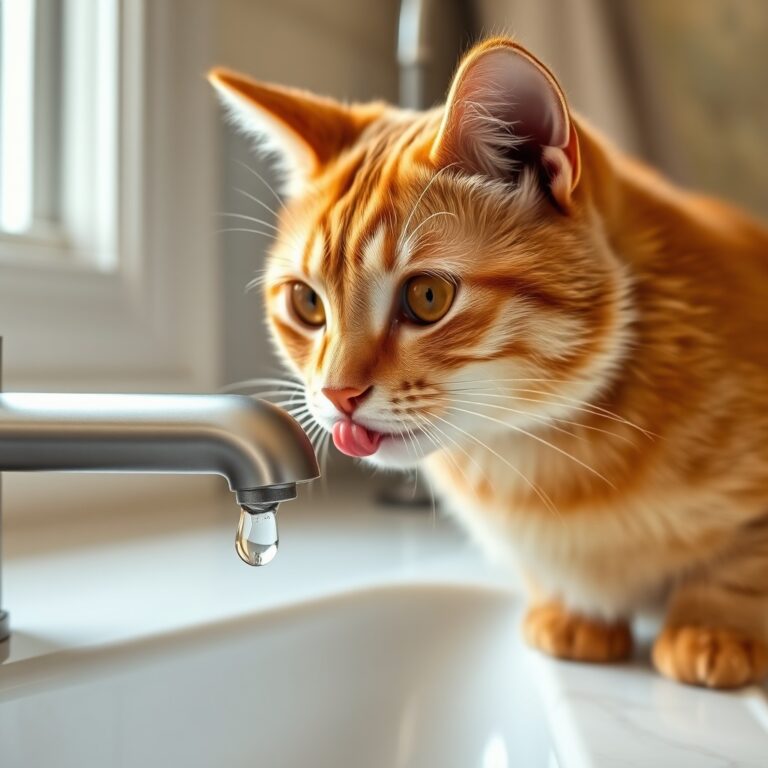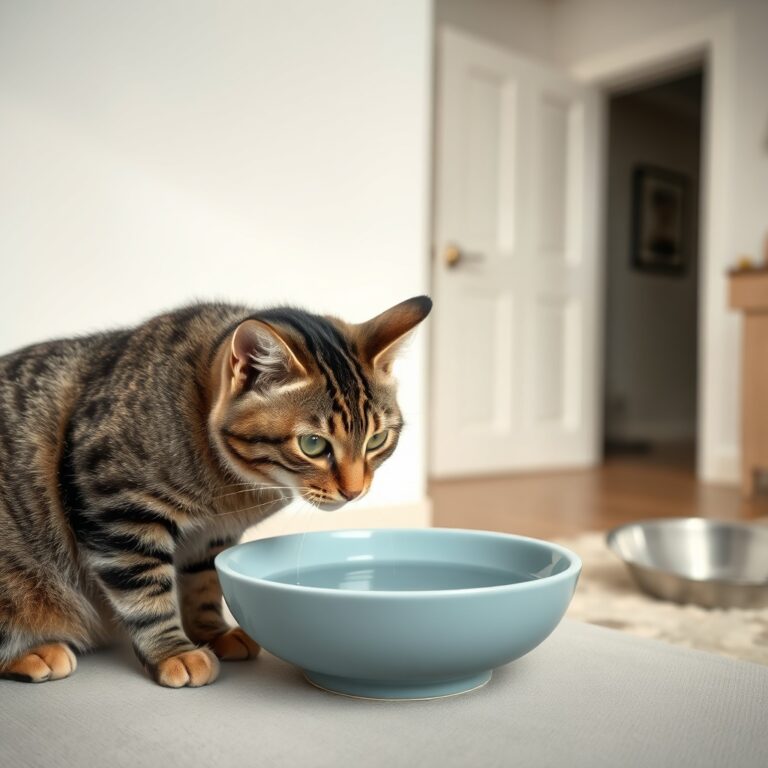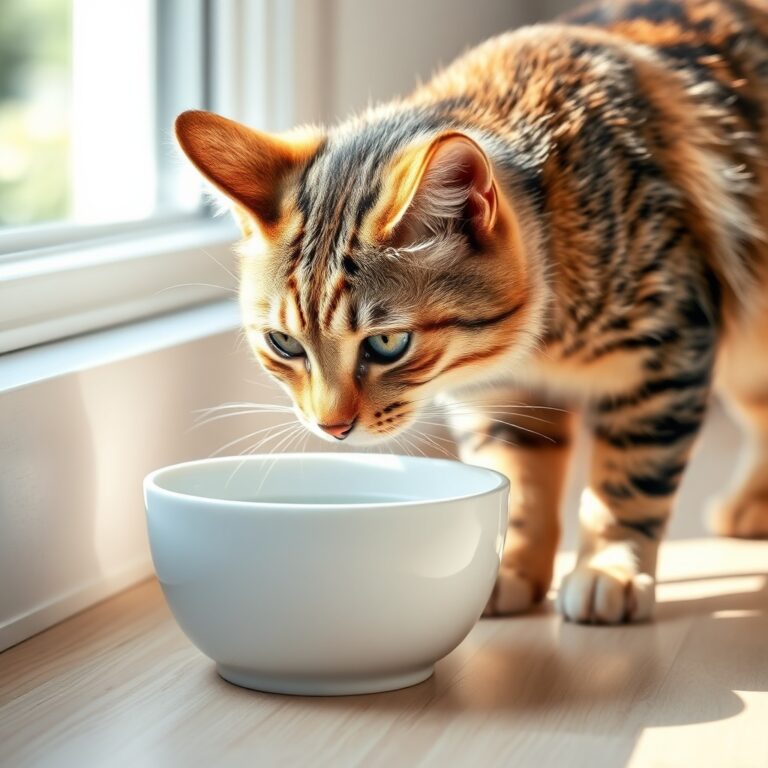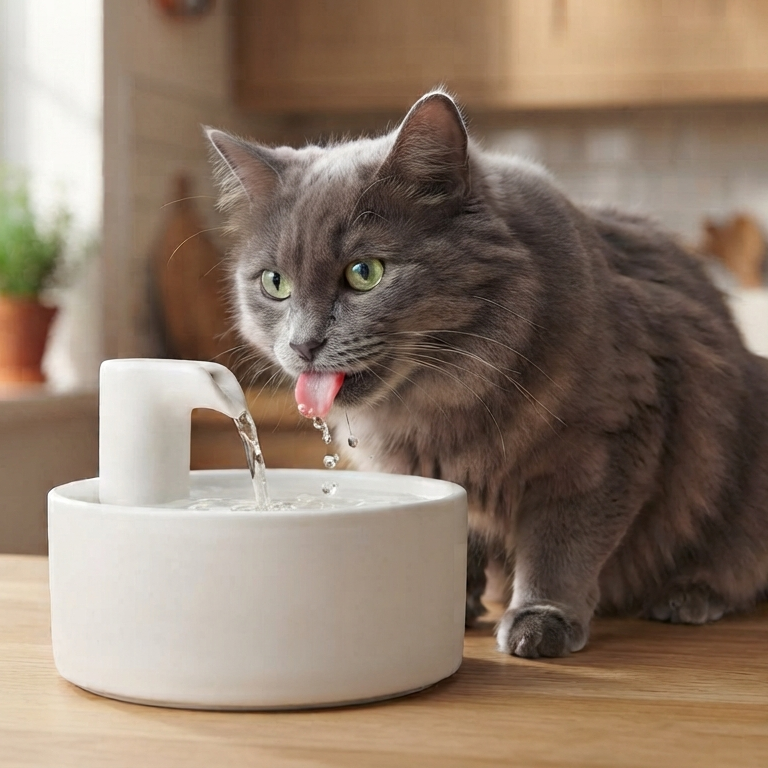

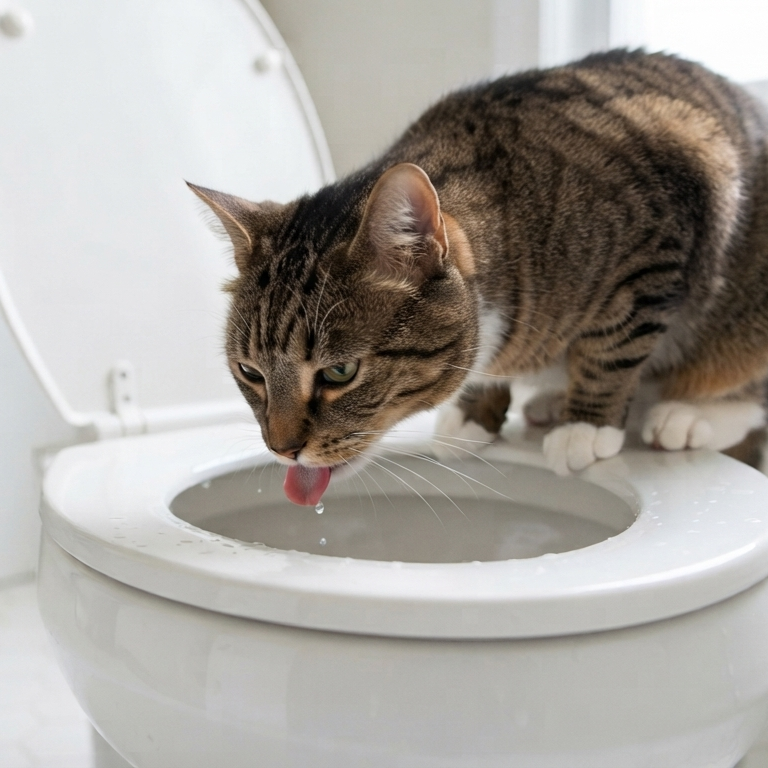
Catching your cat red-handed with their head stuck in the toilet bowl is equal parts baffling and gross. While it is easy to write this off as just another weird feline quirk, your cat isn’t doing it to be mischievous—they are actually responding to powerful instincts, sensitive whiskers, and the unique appeal of that porcelain bowl.
Cats drink toilet water because it is constantly oxygenated by flushing and cooled by the thick porcelain bowl, which mimics the fresh, moving water sources their wild ancestors sought out to avoid contamination.
The Primal Reasons Your Cat Prefers the Toilet
To solve this behavior, you must first understand the feline psychology driving it. Cats are not trying to disgust you; they are simply following a blueprint written into their DNA.
1. The Coolness and Freshness Factor
Toilet water is surprisingly dynamic. Every time the toilet is flushed, the bowl fills with fresh, oxygenated water. Furthermore, the heavy ceramic or porcelain of a toilet bowl acts as an insulator, keeping the water significantly cooler than water sitting in a plastic or metal dish on your warm kitchen floor. In the wild, cool, moving water means safe water.
2. Whisker Fatigue
Many commercial cat bowls are deep and narrow. When a cat dips its head to drink, its sensitive whiskers touch the sides of the dish. This constant sensory feedback can cause a highly uncomfortable phenomenon called whisker fatigue. A toilet bowl, by contrast, offers a massive, wide-open surface where a cat can drink without their whiskers touching a single thing.
3. Safe Elevation
In a multi-pet household or a busy home, drinking from a floor-level bowl puts a cat in a vulnerable position with their head down. Standing on the toilet seat to drink allows a cat to maintain a higher vantage point. From this elevated perch, they can scan the room for potential threats, making them feel secure while satisfying their thirst.
The Hidden Risks of Toilet Drinking
While the water in your toilet bowl might look fresh to your cat, it carries invisible dangers that make this habit unsafe to ignore.
- Chemical Cleaners: Automatic toilet bowl cleaners, bleach tablets, and residues from scrubbing agents are highly toxic. Even in small doses, ingesting these chemicals can cause chemical burns in a cat’s mouth and esophagus.
- Bacterial Contamination: Toilet bowls naturally harbor pathogens like E. coli, Salmonella, and Staphylococcus. While a healthy cat’s stomach acid can neutralize some bacteria, regular ingestion can lead to severe gastrointestinal distress.
- Accidental Falls: Kittens or older cats with mobility issues can easily slip into the bowl and struggle to get out, posing a physical safety hazard.
Step-by-Step Plan to Stop the Behavior Today
Correcting this behavior does not require complex training. It requires redirecting your cat’s instincts toward safer, more appealing hydration sources.
- Step 1: Keep the Lid Closed. This is the simplest and most effective barrier. Make it a household rule that the toilet lid remains down at all times. If they cannot access the water, they will be forced to look elsewhere.
- Step 2: Upgrade to a Pet Water Fountain. Since cats love moving water, a circulating pet fountain is the ultimate replacement. The continuous movement keeps the water oxygenated, cool, and highly appealing, successfully mimicking the appeal of the toilet.
- Step 3: Switch to Wide, Shallow Bowls. Replace narrow dishes with wide, shallow ceramic or stainless steel bowls. This completely eliminates whisker fatigue and makes drinking from their own station a stress-free experience.
- Step 4: Keep Water and Food Separated. In nature, cats do not drink near their kill because decomposing prey can contaminate water sources. Move your cat’s water bowl to a quiet, low-traffic area away from their food dish and litter box.
Common Mistakes Owners Make When Correcting This Behavior
Many well-meaning owners accidentally prolong the problem by responding incorrectly. Avoid these common pitfalls to ensure a smooth transition:
- Scolding or Punishing: Yelling at your cat when you catch them at the toilet will only make them afraid of you. They will not connect the punishment with the toilet; instead, they will simply wait to drink from it when you are not looking.
- Leaving Water Freshness to Chance: If you only change your cat’s water once every few days, biofilm forms on the surface. Cats can taste this stale film instantly, sending them right back to the bathroom the moment a lid is left open.
- Using Plastic Bowls: Plastic easily scratches, and those microscopic crevices harbor bacteria and odors that repel cats. Stick to heavy ceramic, glass, or stainless steel.
Frequently Asked Questions
Can a cat get sick from drinking toilet water?
Yes. Cats can contract bacterial infections like Salmonella or E. coli from toilet water. The risk increases exponentially if you use chemical flush-to-clean tablets, which are highly toxic to felines.
Why does my cat ignore their fresh bowl of water?
Your cat may ignore their bowl if it is placed too close to their food or litter box, if the bowl is too narrow and causes whisker fatigue, or if the water has been sitting long enough to lose its oxygenation and collect dust.
How can I keep my cat’s water cool without a fountain?
You can drop one or two ice cubes into your cat’s water dish throughout the day. Using a heavy ceramic or double-walled stainless steel bowl will also help keep the water temperature lower for longer periods.