
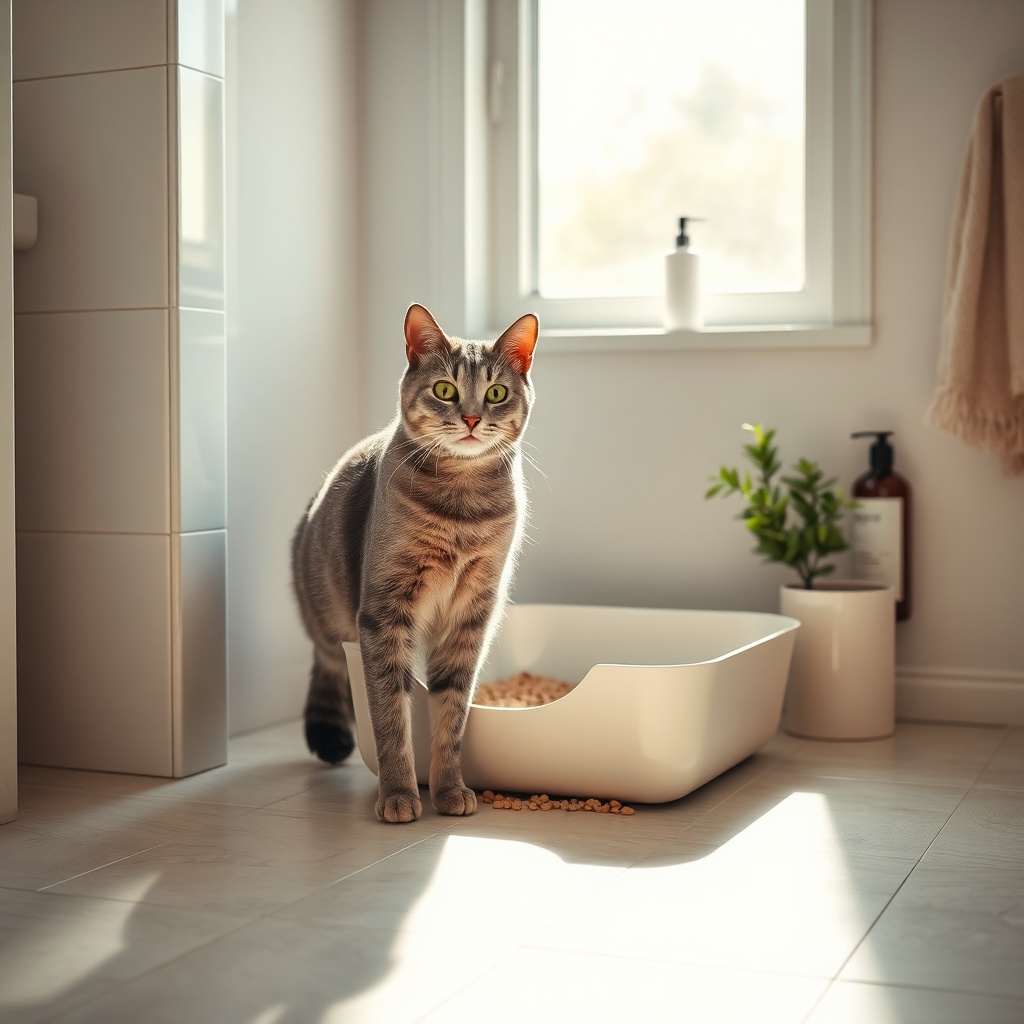
If you wait until you can smell your cat’s litter box before finally changing it, your feline companion has likely been enduring a pungent, ammonia-heavy environment for days. That lingering odor is usually the first sign that box hygiene has fallen behind schedule, which can quickly trigger stress, anxiety, and sudden avoidance of the box altogether.
As a general rule, you should scoop your cat’s litter box once or twice daily, completely change out the litter every 2 to 4 weeks for clumping litter (or every 1 to 2 weeks for non-clumping clay), and perform a deep-clean scrub of the physical plastic box once a month.
How Often to Change Cat Litter by Litter Type
Not all cat litters are created equal. The raw materials used in your litter heavily dictate how frequently you must replace it entirely. Here is a breakdown of the most common types and their lifespan:
- Clumping Clay Litter: This is the most popular choice. It forms tight, easily removable clumps around liquid waste. Because you regularly extract the dirty parts, the remaining litter stays fresh longer, requiring a full replacement only every 2 to 4 weeks.
- Non-Clumping Clay Litter: While highly absorbent, this litter does not form solid clumps. Instead, urine sinks to the bottom of the tray and saturates the lower layers. You must dump and replace the entire contents every 1 to 2 weeks to prevent severe odor buildup.
- Silica Gel (Crystal) Litter: These highly porous crystals absorb urine, allowing the water to evaporate while trapping odor molecules. While you only need to scoop solid waste daily, the crystals eventually saturate. You will need to replace the entire box once a month per cat.
- Natural & Biodegradable Litters: Made from pine, corn, wheat, or recycled paper, these eco-friendly options vary. Pine pellets dissolve into sawdust when wet and require a complete change every 1 to 2 weeks, while clumping corn or wheat litters can often last up to 3 weeks with diligent daily scooping.
Daily, Weekly, and Monthly Maintenance Schedules
Keeping a clean toilet environment for your cat requires a structured, multi-tier routine. Sticking to a consistent timeline ensures your home stays odorless and your cat remains healthy.
The Daily Routine: Scooping and Sifting
You should scoop the box at least once a day, though twice a day is ideal. Regular scooping prevents bacteria buildup and ensures your cat always has a clean spot to step. If a cat is forced to step over old waste, they may begin to eliminate outside the box, choosing your clean carpets or laundry instead.
The Weekly Routine: Topping Off
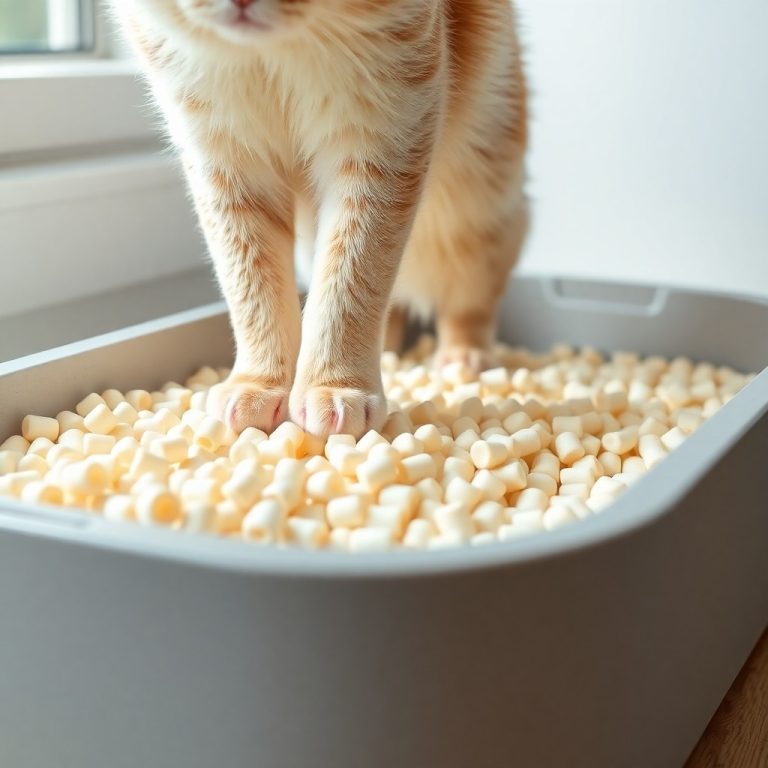
As you scoop out soiled clumps, the depth of the litter in the pan will naturally drop. Every few days, add fresh litter to maintain a consistent depth of about 3 to 4 inches. Maintaining this depth is crucial; if the litter is too shallow, urine will reach the bottom of the plastic pan and stick, making cleanup much more difficult.
The Monthly Routine: The Deep Clean
Even with excellent clumping litter, tiny fragments of waste break off during scooping. Over time, these microscopic particles turn the remaining litter into a breeding ground for bacteria. Once a month, dump the entire contents of the box and scrub the empty plastic container.
Step-by-Step Guide to Deep Cleaning the Litter Box
To ensure a hygienic clean that does not repel your cat, follow these simple steps:
- Empty the Box: Dispose of all old litter in a sealed trash bag. Never flush clay litter down the toilet, as it will swell and clog your plumbing.
- Wash the Pan: Use warm water and a mild, unscented dish soap. Avoid using harsh chemical cleaners like bleach, ammonia, or citrus-scented sprays. Cats are incredibly sensitive to scents, and chemical residues can cause them to abandon the box entirely.
- Scrub Gently: Use a dedicated sponge or soft brush to remove dried-on residue. Avoid wire brushes that can scratch the plastic, as these scratches create microscopic pockets where bacteria and odors can hide.
- Dry Thoroughly: Wipe the box completely dry with paper towels or let it air dry. Pouring fresh litter into a damp box will cause immediate, wasted clumping.
- Refill: Add 3 to 4 inches of fresh, dust-free litter.
How to Tell Your Litter Box Needs Immediate Attention
Sometimes, your standard schedule needs an emergency adjustment. Look out for these clear warning signs that the box needs a complete change right away:
- Persistent Ammonia Odor: If the room smells like ammonia or waste even after you have scooped, the litter has reached its chemical absorption limit.
- Litter Sticking to the Bottom: If you find yourself scraping damp, clay-like sludge off the plastic floor, the litter layer is either too thin or too saturated to absorb further liquids.
- Cat Behavioral Changes: If your cat stands on the edge of the box, scratches frantically at the sides without digging, or begins urinating on soft rugs nearby, they are telling you the box is dirty.
Frequently Asked Questions
How many litter boxes do I need?
The golden rule for feline household harmony is to have one box per cat, plus one extra. If you have one cat, you need two boxes. If you have two cats, you need three. This prevents territorial disputes and ensures there is always a clean option available.
Can a dirty litter box make my cat sick?
Yes. A neglected litter box can harbor high levels of bacteria, leading to urinary tract infections (UTIs) or bladder issues in cats. Additionally, dirty boxes increase the risk of parasites like Toxoplasma gondii, which can affect both pets and humans.
Why does my cat kick litter everywhere after using the box?
Cats have a natural instinct to bury their waste to hide their scent from potential predators. Some cats are simply enthusiastic diggers, while others may be trying to clean their paws if the litter is too dirty or if the box itself is too small.