
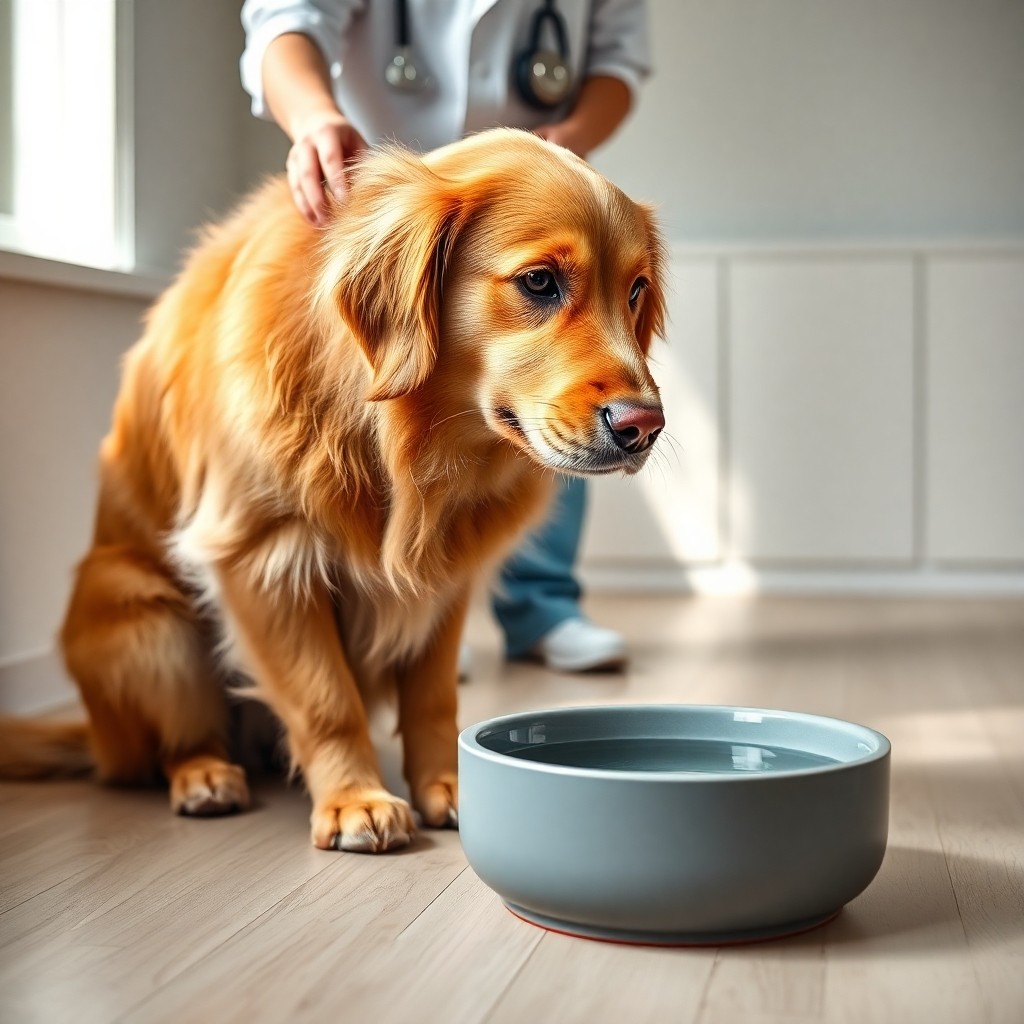
If your dog suddenly seems glued to their water bowl—or is barely touching it at all—it is worth paying attention. Small shifts in daily drinking habits are often the earliest clues your dog’s body gives you when something internal is starting to change.
As a general rule, a healthy dog should drink approximately 1 ounce of water per pound of body weight daily (about 50 to 70 milliliters per kilogram of body weight) to maintain metabolic homeostasis.
Calculating Your Dog’s Daily Water Requirements
Daily hydration needs vary significantly based on body mass. According to clinical veterinary guidelines (AAHA), maintaining fluid balance is critical for cellular function, temperature regulation, and waste elimination. To simplify these clinical metrics, owners can refer to the target ranges outlined below.
| Dog Weight (lbs / kg) | Daily Target (Ounces) | Daily Target (Milliliters) |
|---|---|---|
| 10 lbs / 4.5 kg | 10 oz | 300 ml |
| 20 lbs / 9 kg | 20 oz | 600 ml |
| 50 lbs / 22.7 kg | 50 oz | 1,500 ml |
| 80 lbs / 36.3 kg | 80 oz | 2,400 ml |
For owners, this means a small toy breed needs just over a single cup of water per day, whereas a large guardian breed requires more than half a gallon of fresh water daily to sustain normal organ function.
Key Factors That Influence Hydration Needs
While the baseline weight formula is an excellent starting point, real-world variables alter metabolic demand. Recognizing these variables prevents dehydration or renal strain.
- Dietary Moisture Content: Kibble contains only about 10% moisture, requiring dogs to drink more fresh water. Conversely, canned or raw wet food can contain up to 78% moisture. For owners, this means dogs fed wet diets will naturally visit the water bowl less frequently because they absorb significant hydration during meals.
- Environmental Temperature and Humidity: High temperatures force dogs to pant to cool down. Panting expels significant amounts of moisture through evaporation, rapidly increasing daily water requirements.
- Physical Activity and Life Stage: Energetic dogs, working breeds, and lactating females require higher fluid intake to support elevated metabolic pathways. Similarly, growing puppies generally consume more water relative to their body size than sedate senior dogs.
How to Identify Dehydration and Overhydration
Monitoring daily water bowls is only part of the equation; checking physical symptoms on the dog provides immediate clinical clarity.
To check for dehydration, perform a skin turgor test. Gently pinch the skin between the shoulder blades and release it. In a well-hydrated dog, the skin snaps back instantly. If the skin remains tented or returns slowly, the dog is experiencing mild to severe dehydration. Additionally, check the gums; they should be pink and moist, not pale, dry, or sticky to the touch.
Overhydration, or water intoxication (hyponatremia), occurs when a dog consumes excessive water too quickly, diluting essential blood sodium levels. This is common in dogs that bite at sprinklers or fetch toys from pools. Symptoms include lethargy, loss of coordination, bloating, dilated pupils, and vomiting.
When to Seek Veterinary Evaluation
Sudden changes in drinking behavior warrant careful observation. If consumption spikes dramatically (polydipsia) or drops off entirely (adipsia) for more than 24 hours, contact a veterinarian immediately.
Consistent excessive thirst coupled with increased urination can be an early clinical sign of renal insufficiency, diabetes mellitus, or Cushing’s disease (AAHA). Conversely, a refusal to drink often points to oral pain, systemic infection, or nausea. Early intervention is essential for diagnosing metabolic disorders before they lead to irreversible organ damage.
Frequently Asked Questions
Can a dog drink too much water?
Yes, excessive water intake can lead to water intoxication, also known as hyponatremia. This condition dilutes sodium levels in the blood, leading to cerebral edema, muscle tremors, and in severe cases, seizures. Always monitor dogs during water play to ensure they do not ingest large quantities rapidly.
Why is my dog suddenly refusing to drink water?
A sudden refusal to drink can indicate oral pain from periodontal disease, a fractured tooth, or a foreign object lodged in the mouth. It can also stem from nausea caused by gastrointestinal distress or systemic disease. If the refusal persists beyond 24 hours, seek veterinary care.
References
American Animal Hospital Association (AAHA) Canine Life Stage Guidelines.
World Small Animal Veterinary Association (WSAVA) Nutritional Assessment Guidelines.