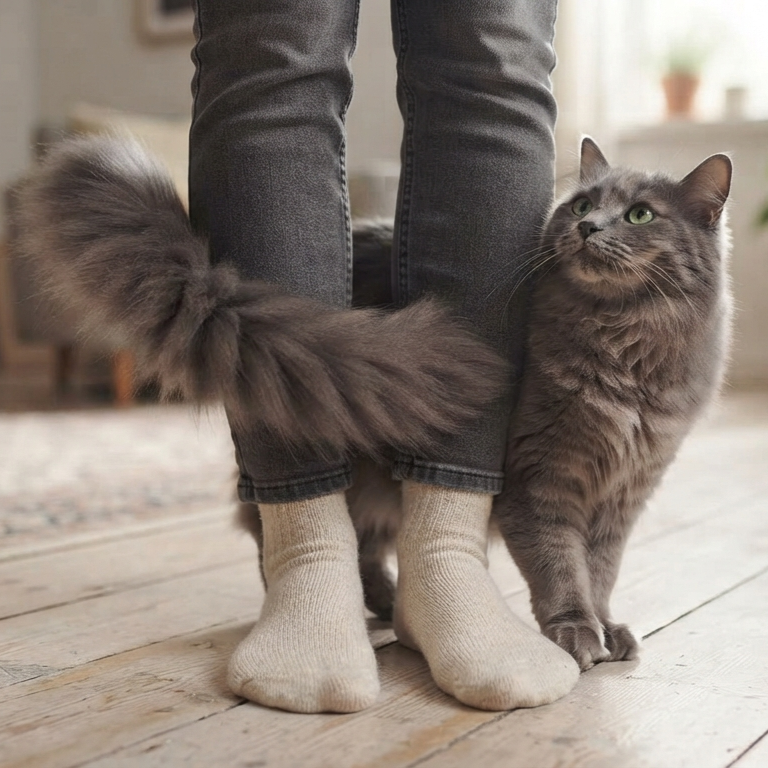

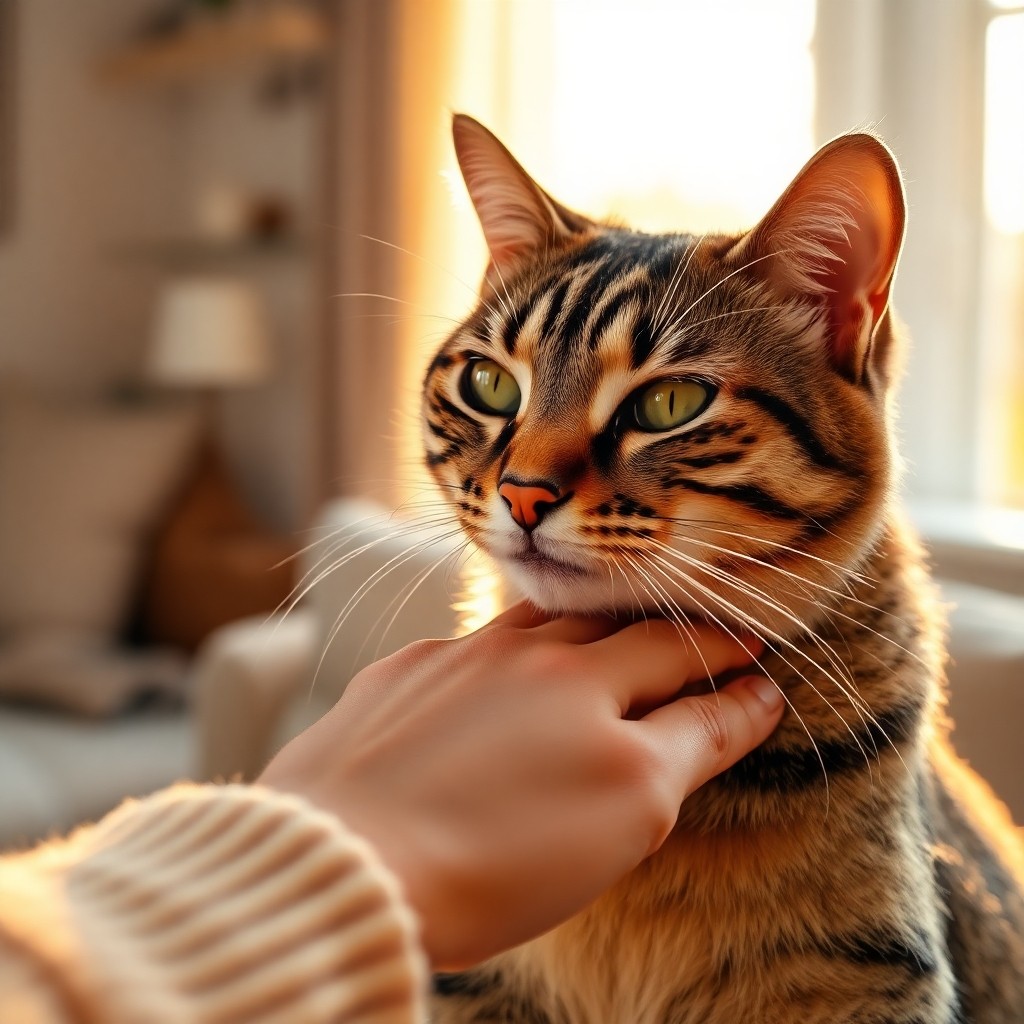
When your cat suddenly turns into a velcro pet—demanding endless headbutts, following you room to room, and glued to your lap—it is easy to just enjoy the extra cuddles. But cats are creatures of habit, and a dramatic shift in their daily affection levels is rarely just a random phase; it is usually their way of telling you something important.
A cat suddenly becoming very affectionate is typically triggered by environmental changes, stress, hormonal shifts (such as pregnancy or heat cycles), aging, or underlying medical conditions like hyperthyroidism or pain where they seek human reassurance.
The Psychology of Sudden Kitty Clinginess
Cats are creatures of absolute habit. When they depart from their usual independent routine to shadow your every step, they are responding to internal or external stimuli. Understanding this shift requires looking at your home environment through your cat’s eyes.
1. Environmental Changes and Stress
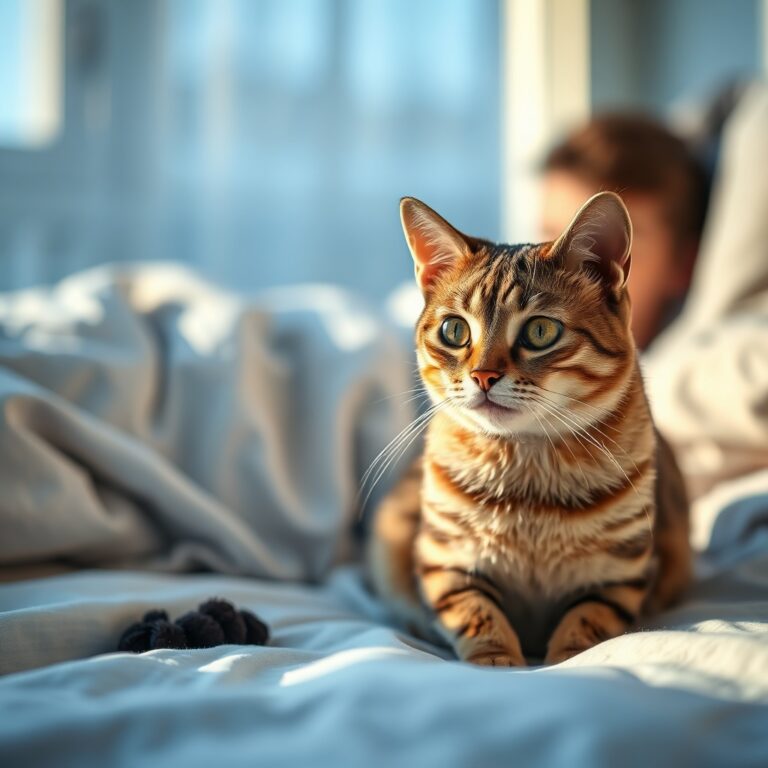
Have you recently rearranged the furniture, started a new job, or welcomed a new roommate? Even minor disruptions can shake a cat’s sense of security. When their environment feels unpredictable, cats often turn to their primary caregiver as a ‘secure base’. By rubbing against you and staying close, they are reassuring themselves with your familiar scent and seeking comfort from a trusted source.
2. Hormonal Shifts
If your cat is not spayed, a sudden onset of extreme affection, vocalization, and rolling on the floor is a classic sign of estrus (being in heat). Alternatively, pregnant queens often become exceptionally clingy and seek out their owners for nesting support as their delivery date approaches.
3. Age-Related Vulnerability
As cats enter their senior years, their senses can begin to dull. Slower reflexes, declining eyesight, and cognitive dysfunction can make the world a confusing place. A senior cat may cling to you simply because your presence makes them feel safe in a world that is becoming harder for them to navigate.
When Affection Masks a Medical Issue
While we love the extra attention, a sudden behavioral change can sometimes be a cry for help. It is vital to distinguish between emotional bonding and physical distress.
- Hyperthyroidism: Common in middle-aged and senior cats, an overactive thyroid floods the system with hormones, leading to restlessness, constant demands for attention, increased appetite, and weight loss.
- Chronic Pain or Illness: While some cats hide when they hurt, others do the exact opposite. They may seek out their owners for physical warmth and soothing strokes to cope with internal discomfort.
- Feline Cognitive Dysfunction (FCD): Similar to dementia in humans, this can cause confusion, disorientation, and an increased reliance on the owner for comfort, particularly during evening hours.
Quick Facts: Is It Affection or Help-Seeking?
Use this quick reference guide to assess your cat’s sudden change in behavior:
Healthy Affection Clues
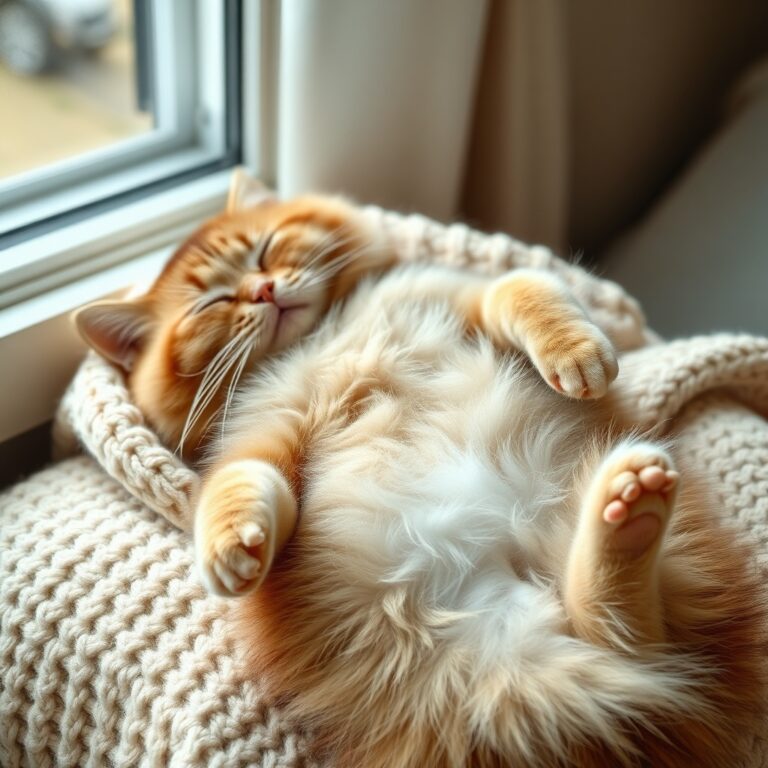
- Slow, relaxed blinking and soft purring.
- Upright tail with a slight curve at the tip.
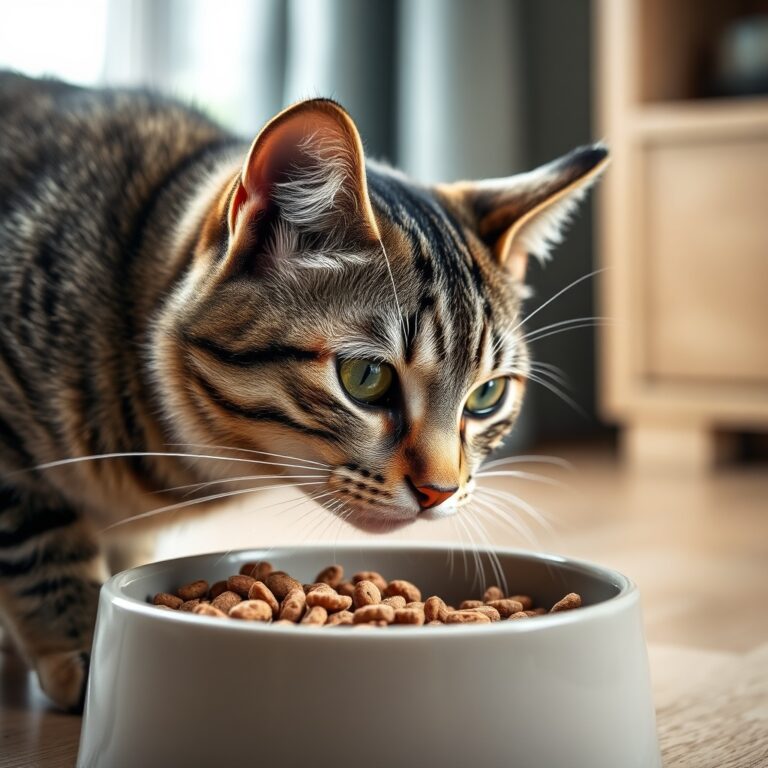
- Normal eating, drinking, and litter box habits.
- Headbutting (bunting) and kneading your lap calmly.
Concerning Signs to Watch For
- Persistent, loud vocalization or yowling alongside the affection.
- Dilated pupils and tense body language even while sitting on you.
- Sudden weight loss, vomiting, or changes in thirst.
- Uncharacteristic irritability when you stop petting them.
How to Respond to Your Clingy Cat
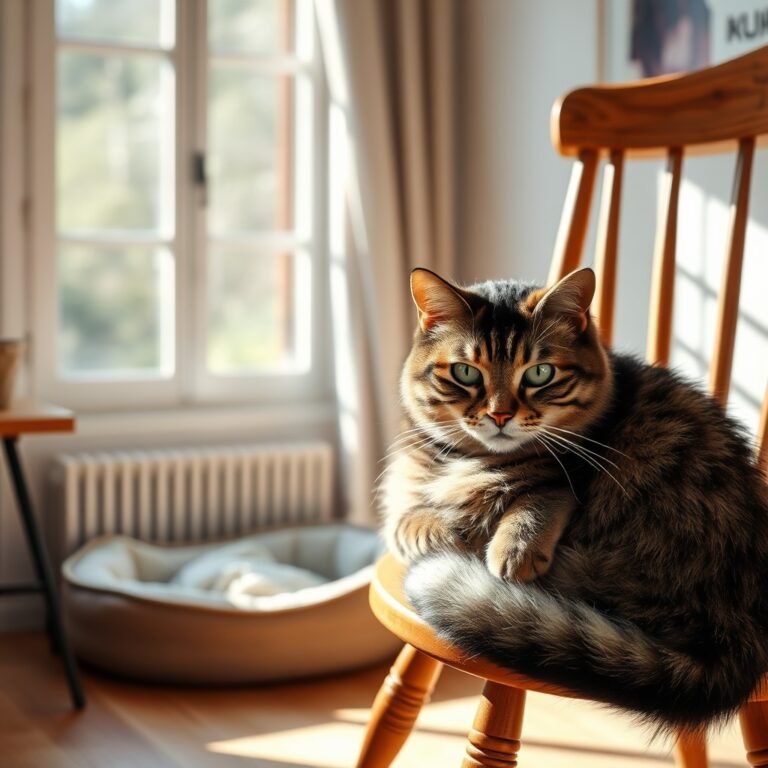
If your cat’s sudden sweetness is not accompanied by any physical symptoms of illness, enjoy the bonding time! You can support their emotional well-being by maintaining a highly predictable daily routine. Feed them at the exact same times, dedicate fifteen minutes a day to interactive play, and provide warm, elevated resting spots where they can observe the household safely.
However, if the behavior persists, occurs overnight, or is accompanied by changes in appetite, energy, or litter box habits, schedule a thorough checkup with your veterinarian to rule out pain or metabolic issues.
Frequently Asked Questions
Is sudden affection in cats a sign of illness?
It can be. While it is often just a bid for attention or security, sudden clinginess can indicate medical issues like hyperthyroidism, high blood pressure, or early-stage cognitive decline in older cats.
Why is my male cat suddenly so clingy?
Both male and female cats exhibit clinginess for similar reasons, such as environmental stress or insecurity. If your male cat is neutered, the behavior is likely driven by changes in his routine, weather shifts, or a desire for warmth and security.
Should I ignore my cat’s sudden attention-seeking?
You should not ignore a sudden, drastic change in behavior. While you do not want to reward demanding yowling, you should observe them closely to ensure the behavior is not driven by stress, pain, or environmental anxiety.