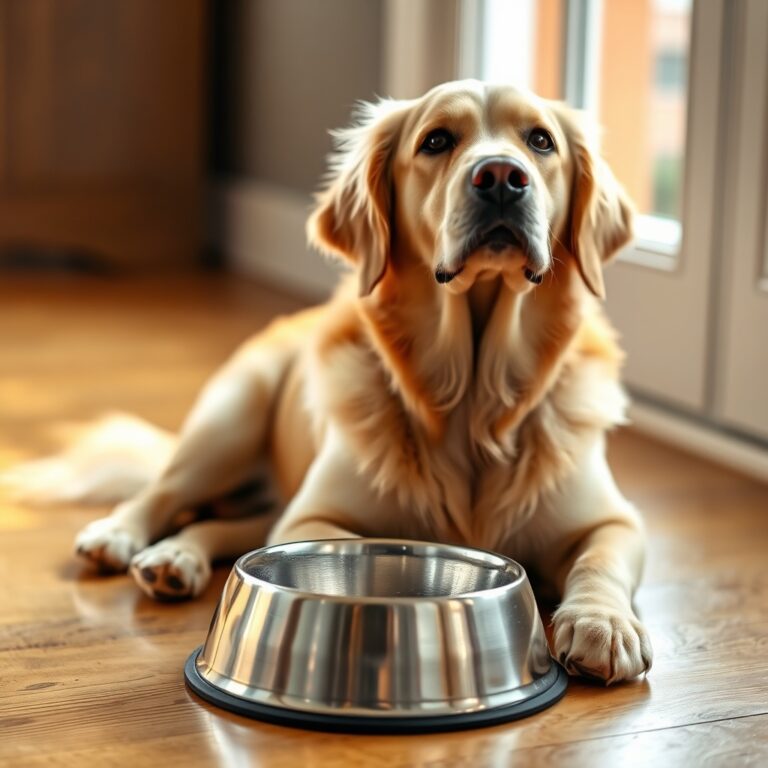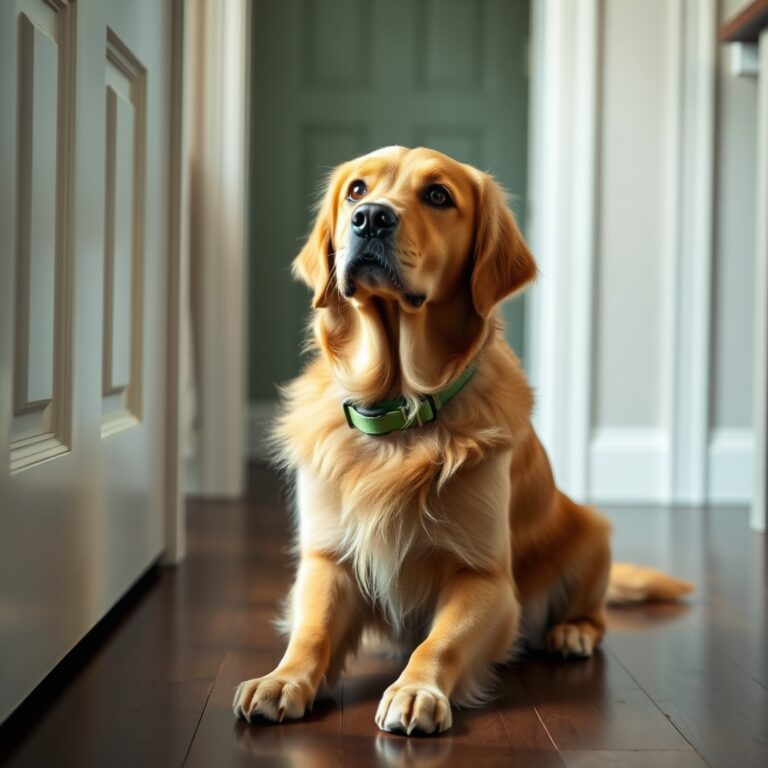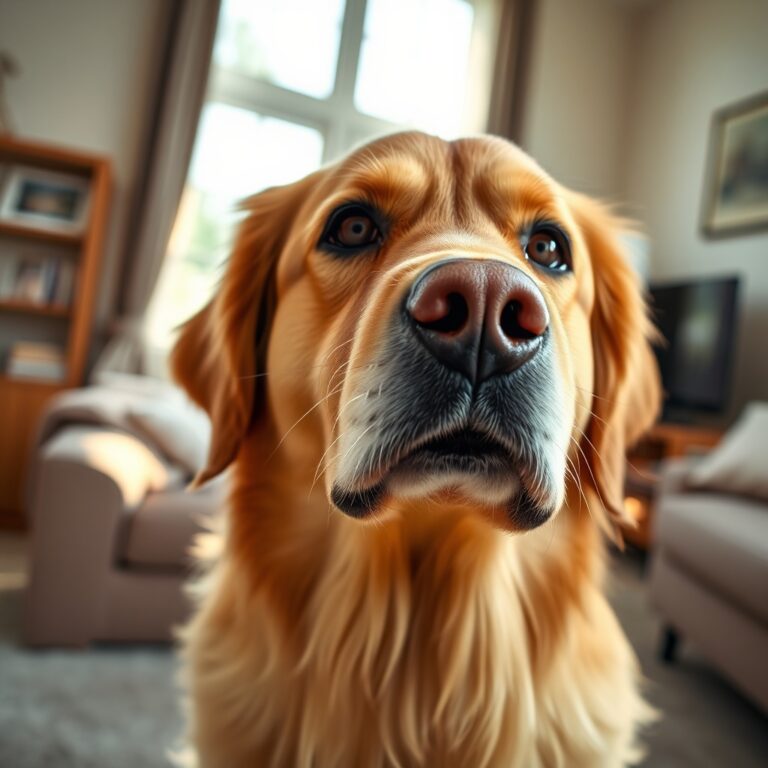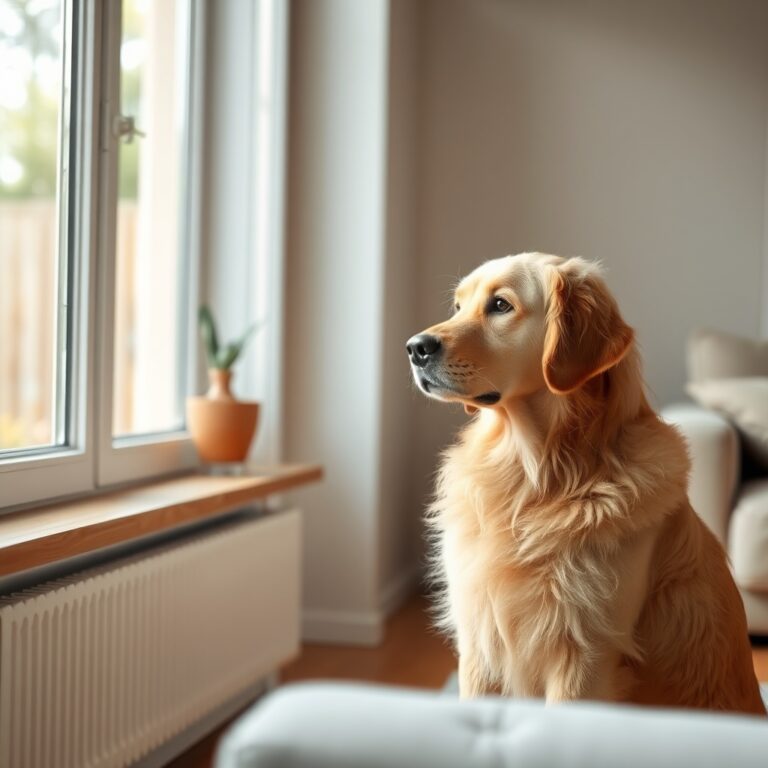

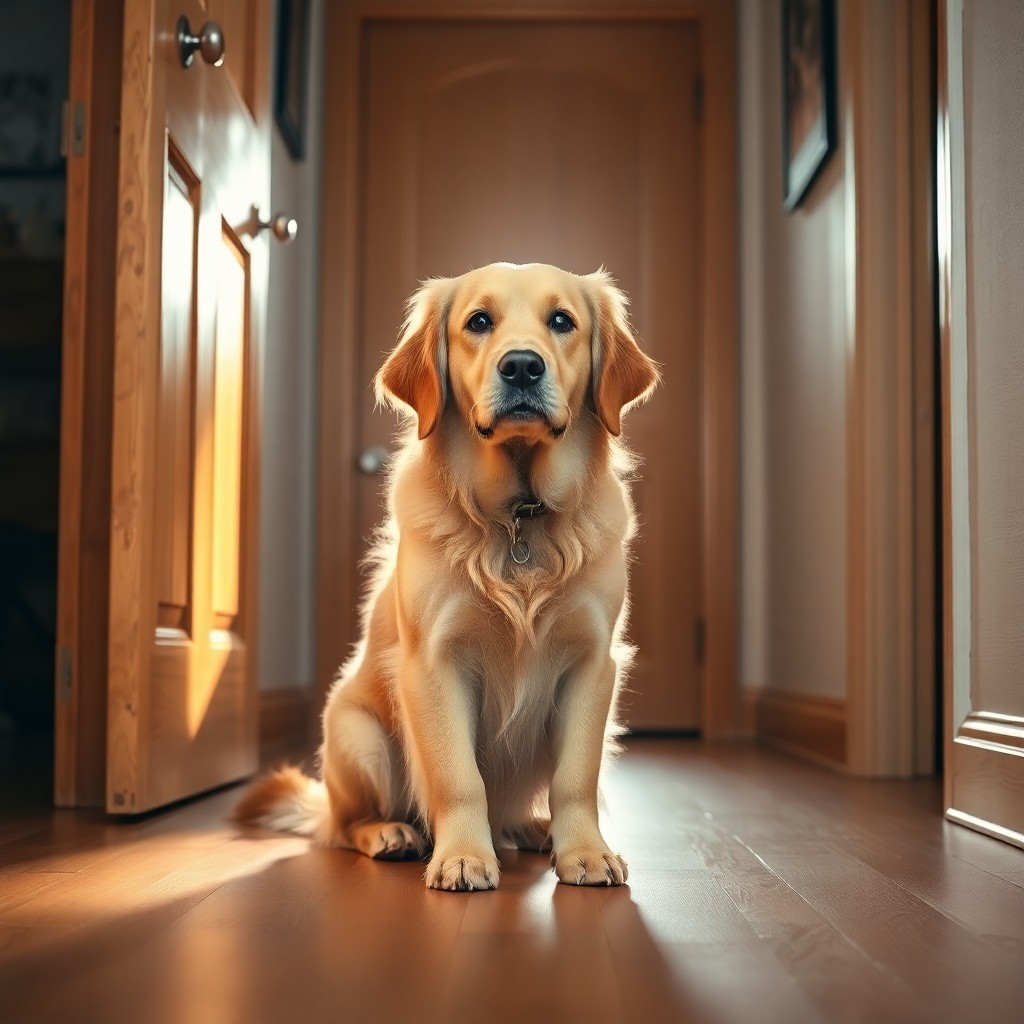
If you have ever tried to use the restroom in complete privacy, only to find a pair of soulful eyes staring back at you the moment you open the door, you are certainly not alone. That unwavering loyalty at the bathroom threshold might seem a bit quirky at first, but it actually gives us a fascinating glimpse into how our dogs perceive the world and their place in our pack. Tuning into the real reasons behind this door-waiting routine makes it much easier to decode your dog’s signals and decide whether it is time to gently guide them toward a little more independence.
Dogs wait outside the bathroom primarily due to their natural pack mentality, barrier frustration, desire for protection, or a learned behavior where they associate your exit with attention and rewards.
The Psychology Behind Bathroom Guarding
To a dog, the concept of privacy does not exist. In a wild pack environment, family members do everything together, and separation is often associated with vulnerability or danger. When you close the bathroom door, you are introducing a physical barrier that disrupts their natural instinct to stay connected.
5 Key Reasons Your Dog Waits Outside the Door
1. Pack Mentality and the Velcro Dog Phenomenon
Some breeds are naturally more prone to becoming ‘velcro dogs’—pets that attach themselves closely to one specific human. Breeds like Golden Retrievers, German Shepherds, and Border Collies have been selectively bred to work closely with humans, making them highly motivated to follow you from room to room, including the bathroom hallway.
2. Protection and Guarding Instincts
In the canine world, elimination is a vulnerable moment. When your dog goes to use the bathroom outside, they often look at you to ensure you are watching their back. By waiting outside the bathroom door, your dog may be returning the favor, guarding you while you are in a vulnerable position.
3. Barrier Frustration and Curiosity
A closed door is an active challenge to a curious dog. Dogs are naturally inquisitive and want to know what is happening on the other side of any closed barrier. The mystery of the closed bathroom door, combined with the sounds of running water or movement, naturally draws them to wait right at the threshold.
4. Positive Reinforcement
Dogs are masters of association. If you routinely open the bathroom door and immediately look at, talk to, or pet your dog, you are actively rewarding them for waiting. They quickly learn that sitting patiently outside the door guarantees a positive interaction with their favorite human.
5. Separation Anxiety
If your dog whines, scratches at the door, or shows signs of distress while waiting, this behavior might be driven by mild to moderate separation anxiety. Instead of a calm, passive wait, the closed door triggers a fear of being left alone, prompting them to stay as close to the barrier as possible.
How to Establish Healthy Boundaries: A Step-by-Step Plan
If your dog’s constant shadowing is becoming a problem or reinforcing anxious habits, you can train them to relax elsewhere while you use the restroom. Follow this practical training progression:
- Step 1: Teach the ‘Place’ Command: Train your dog to go to a designated bed or mat on command. Reward them with high-value treats only when they stay on their mat.
- Step 2: Desensitize the Bathroom Door: Walk to the bathroom, close the door for just two seconds, and walk out. If your dog remains calm, offer a small treat. Gradually increase the time the door is closed.
- Step 3: Ignore the Waiting Behavior: When you exit the bathroom, do not immediately greet or make eye contact with your dog if they are waiting right outside. Walk past them calmly and only offer attention once they have settled down in another area.
- Step 4: Provide Interactive Toys: Give your dog a puzzle toy or a food-stuffed rubber toy before you head to the bathroom to redirect their focus and build positive associations with being alone.
Common Mistakes to Avoid
- Scolding or Yelling: Raising your voice when you open the door will only confuse your dog or increase their anxiety, potentially making the guarding behavior worse.
- Giving in to Whining: Opening the door or talking to your dog through the door while they are whining teaches them that making noise successfully gains your attention.
- Forcing Sudden Long Separations: If your dog has severe anxiety, forcing them to stay away from you for long periods too quickly can cause panic. Always build up separation tolerance gradually.
Frequently Asked Questions
Should I let my dog follow me into the bathroom?
There is no medical or behavioral harm in letting a well-adjusted dog follow you into the bathroom. However, if they show signs of extreme stress when excluded, it is best to train them to tolerate short separations to prevent dependency.
Why does my dog stare at me while I use the restroom?
This is often a sign of trust and a desire for security. In the wild, animals look to their pack mates for cues about potential threats. Your dog is likely looking to you to ensure they are safe in that environment.