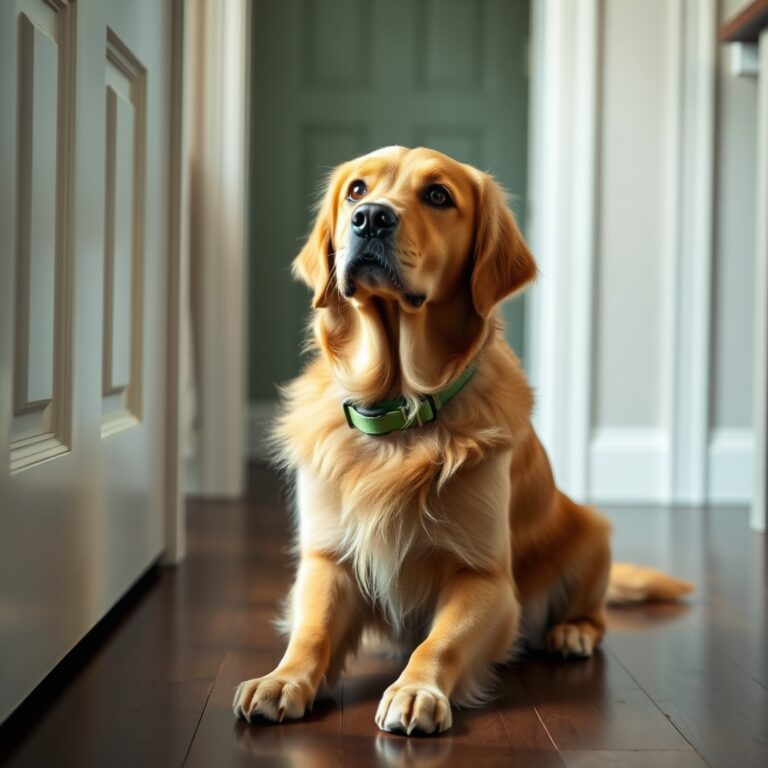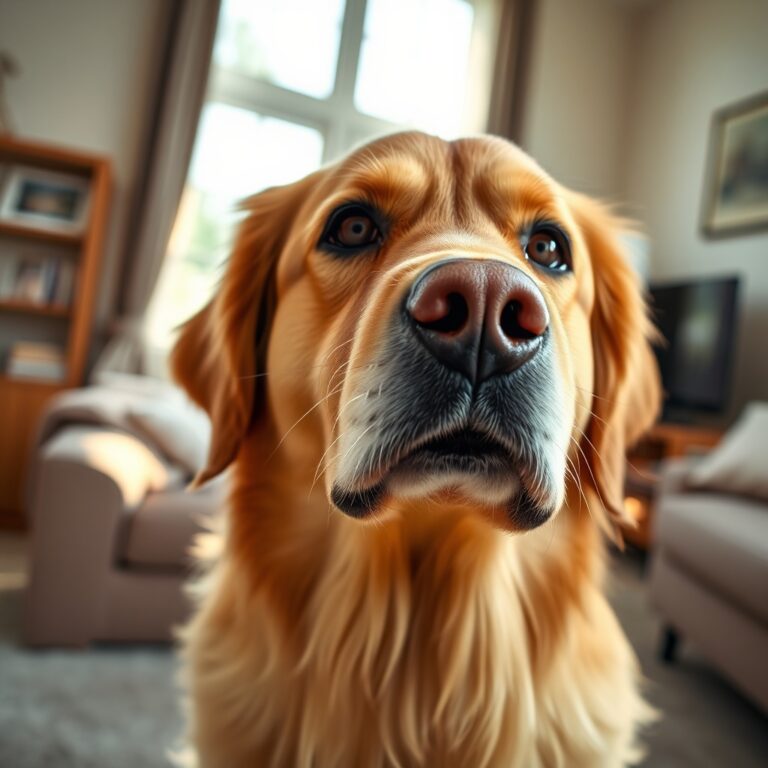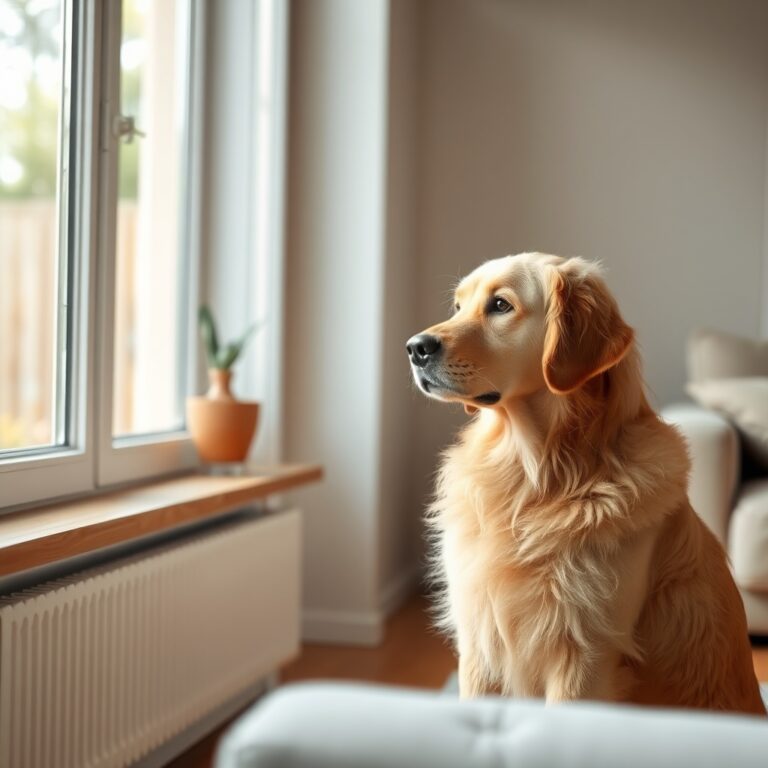

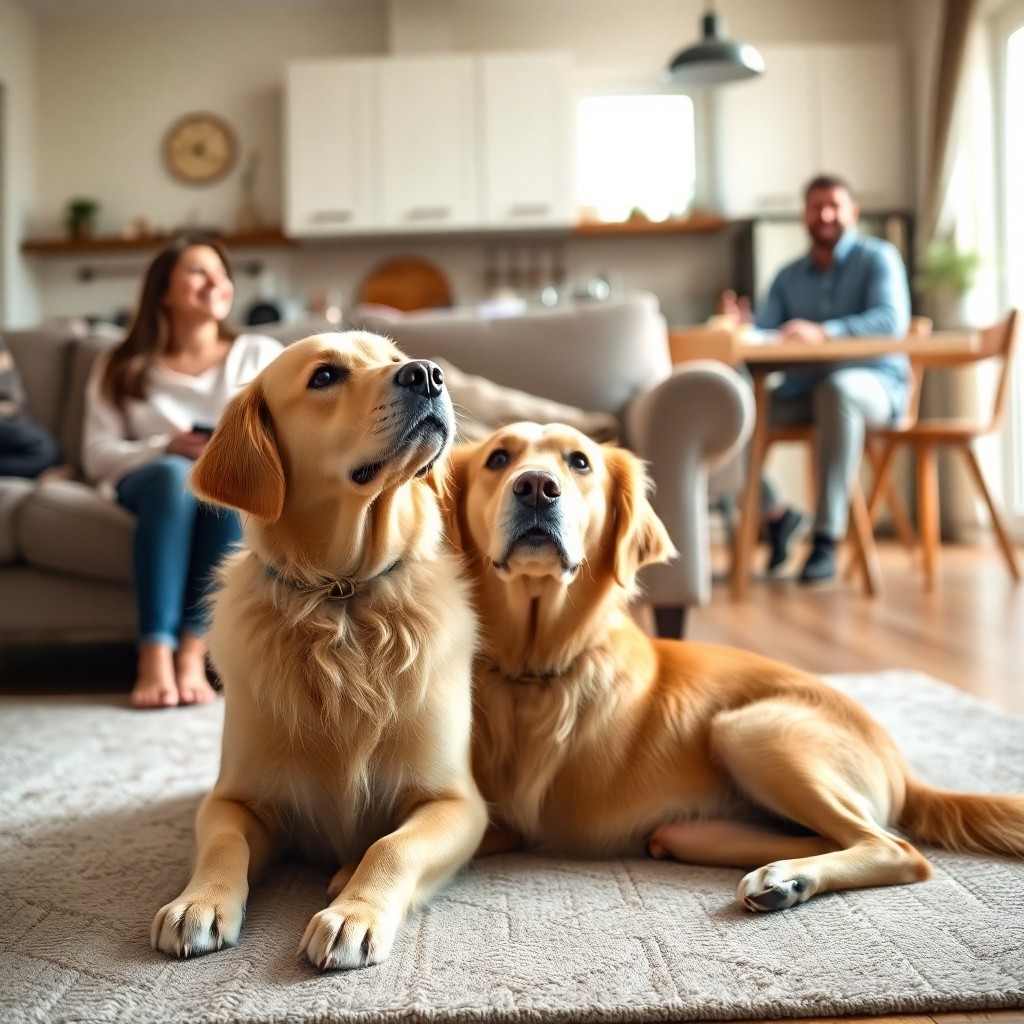
That familiar sound of claws clicking against the floorboards right behind you—all the way to the kitchen, the bathroom, and back—is a daily reality for many dog owners. While having a loyal “shadow” feels heartwarming at first, watching your pup completely ignore everyone else in the house can turn from flattering to slightly overwhelming. Behind this single-minded devotion lies a mix of routine, reinforcement, and subtle behavioral cues that go far deeper than just simple affection.
A dog typically follows only one person because that individual has established themselves as the primary caregiver, safety anchor, or ‘key resource provider’ during critical socialization windows. This behavior is reinforced when that specific person consistently delivers high-value rewards like food, attention, play, and emotional security.
The Psychology Behind the ‘Velcro Dog’
To understand why your canine companion has chosen a favorite, it helps to look at how dogs perceive their human social circles. Dogs are naturally cooperative group animals, but their modern domestic lives make them highly sensitive to routines and resources.
The Power of Early Socialization
Between the ages of 8 and 16 weeks, puppies go through a critical socialization window. The brain is incredibly receptive during this period. The person who feeds, handles, plays with, and comforts the puppy during this phase often becomes their primary anchor for life. This early bonding creates a deep-seated sense of safety and predictability that persists well into adulthood.
The Resource Provider Dynamic
Dogs are brilliant opportunists. If you are the person who opens the food bin, dishes out the morning kibble, grabs the leash for walks, and tosses the tennis ball, your dog associates you with survival and fun. Even if other family members pet the dog occasionally, the person holding the keys to the most valuable resources will naturally attract the most attention.
Breed Instincts and Working Roles
Certain dog breeds are genetically hardwired to bond intensely with a single handler. Herding breeds like Border Collies, German Shepherds, and Australian Shepherds, as well as loyal working breeds like Doberman Pinschers, were bred to work closely with one human partner. In contrast, companion breeds or pack-oriented hounds may distribute their affection more widely across a family group.
Healthy Bond vs. Hyper-Attachment
It is important to distinguish between a dog who simply prefers your company and one who suffers from unhealthy hyper-attachment. A healthy bond means your dog enjoys being in the same room, but can still function, sleep, and eat calmly when you are gone.
Hyper-attachment, often linked to separation anxiety, occurs when the dog experiences genuine distress when separated from their chosen person. If your dog whines at the bathroom door, paces anxiously when you move from room to room, or refuses to eat when you are out of the house, their desire to follow you has crossed from affection into anxiety. Managing this requires a structured approach to build their confidence and independence.
How to Balance Your Dog’s Affection (Action Plan)
If your dog’s one-person focus is causing friction in your household, or if you want to prevent separation anxiety, you can take deliberate steps to distribute their affection and build their confidence.
1. Distribute the High-Value Tasks
The simplest way to shift a dog’s focus is to share the caregiving responsibilities. Have other family members take over the most rewarding parts of the dog’s day. Let someone else feed the meals, hand out the high-value treats, and initiate play sessions. Your dog will quickly learn that great things come from other people too.
2. Practice Structured Separation
Teach your dog that they do not need to be glued to your side to be safe. Use basic commands like ‘stay’ or ‘place’ to encourage your dog to remain on a comfortable bed or mat while you walk to another part of the room. Start with short distances and brief durations, rewarding them with quiet praise and treats for staying relaxed.
3. Build Solo Confidence Through Enrichment
Provide your dog with engaging toys that do not require human interaction to enjoy. Stuffed puzzle toys, lick mats, and safe chew bones can keep your dog occupied in a different room, teaching them that being alone can be a highly rewarding experience.
Common Mistakes to Avoid
- Rewarding persistent shadowing: If you constantly pet, talk to, or look at your dog every single time they follow you into a room, you are actively training them to keep doing it. Let some movements go unnoticed.
- Forcing interaction with others: Do not force your dog to cuddle or interact with other family members if they are uncomfortable. Allow them to approach others at their own pace, using gentle food rewards to build positive associations.
- Allowing boundary-free access: Use baby gates or closed doors to occasionally limit your dog’s access to you. This builds resilience and helps normalize brief moments of separation.
Frequently Asked Questions
Can a dog change its favorite person?
Yes. A dog can shift their preference if another household member becomes the primary source of food, play, and positive attention. This change typically happens gradually as the dog adapts to new routines and caregiving patterns.
Is it bad if my dog only follows me?
Not necessarily. If your dog is relaxed, confident, and can cope when you leave the house, a strong bond is perfectly healthy. It only becomes an issue if the behavior is fueled by anxiety, fear, or an inability to settle independently.
How do I stop my dog from crying when I leave the room?
Start by desensitizing your dog to your movements. Stand up and sit back down without leaving. Walk toward the door and return immediately. Gradually increase the time you spend out of sight, pairing your departures with a high-value treat to build a positive association with your absence.