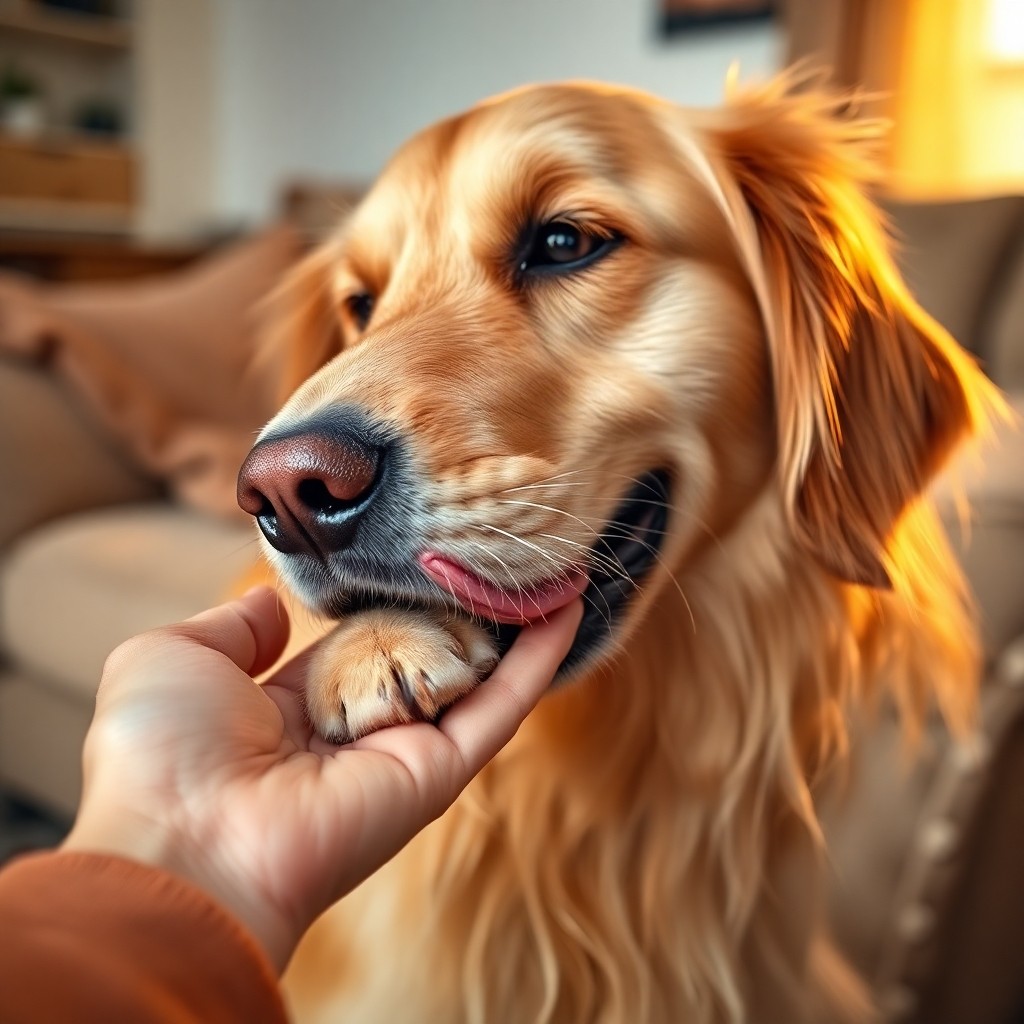
That familiar, sandpaper tongue sweeping across your hand usually gets written off as a simple canine kiss. Yet, there is a lot more going on behind the scenes when your dog starts relentlessly cleaning your skin. Far from just a random display of love, this behavior is a sophisticated form of communication—and knowing what those licks actually mean changes everything about how you interact with your dog.
The Quick Answer: Why Your Dog Licks Your Hands
Dogs lick human hands primarily as a form of sensory communication to gather biochemical data, express social bonding, seek attention, or enjoy the salty taste of human skin. This instinctive action triggers a release of calming endorphins in your dog’s brain, making it a highly rewarding and self-soothing behavioral loop.
The Science Behind the Lick: What Your Dog Is Saying
To understand why your dog targets your hands, it helps to look at their ancestral survival instincts and physical biology. Your hands are your primary tools for navigating the world, and to your dog, they are a treasure trove of information.
- Chemical Information Gathering: Dogs possess an incredible olfactory system, complemented by the Jacobson’s organ located in the roof of their mouth. When they lick your hands, they are tasting the sweat, salt, and environmental particles you have touched. This tells them where you have been, who you were with, and even your current stress levels.
- The Power of Oxytocin: Grooming is a social bonding mechanism in canine packs. When a dog licks your skin, it stimulates the release of oxytocin (the ‘love hormone’) in both your brain and theirs, strengthening your mutual bond and lowering heart rates.
- Attention-Seeking Behavior: Dogs quickly realize that licking your hands gets an immediate reaction. Whether you laugh, speak to them, pet them, or even gently pull your hand away, they view this engagement as a successful reward.
- Instinctual Submissiveness: In wild packs, puppies lick the muzzles of older dogs as a sign of respect, submission, and a request for food. Licking your hands is a modern evolution of this deferential behavior, showing they view you as a trusted leader.
Step-by-Step Training Guide: How to Redirect Hand Licking
If your dog’s licking has crossed the line from sweet to exhausting, you can easily retrain this behavior. Follow this practical, step-by-step redirection plan to set clear boundaries without damaging your pet’s confidence.
Step 1: Use the ‘No Reward’ Marker
The moment your dog starts licking your hands, immediately become a statue. Do not speak, look at, or push your dog away. Pull your hands slowly out of reach, cross your arms, and look at the ceiling. Removing your attention removes the primary reward.
Step 2: Introduce an Incompatible Alternative
Your dog cannot lick your hands if they are busy doing something else. Command your dog to sit or perform a ‘touch’ command with their nose. Rewarding them for a different, controlled action breaks the automatic licking cycle.
Step 3: Provide a Designated Licking Outlet
Licking is a natural, healthy behavior that reduces canine anxiety. Instead of letting them use your skin, redirect this need toward a licking mat spread with dog-safe peanut butter or plain Greek yogurt. This satisfies their sensory drive safely.
Step 4: Reward the Quiet Moments
Consistently reward your dog when they are sitting near you quietly without licking. Offer a high-value treat or calm praise to teach them that calm coexistence yields better rewards than constant licking.
Common Mistakes Owners Make with Licking Dogs
Even the most dedicated pet parents can accidentally encourage the very behaviors they want to stop. Avoid these common training pitfalls:
- Yelling or Pushing the Dog Away: Dogs often perceive negative attention, such as pushing them or saying ‘no’ loudly, as a playful game. Physical contact of any kind can reinforce the action.
- Inconsistent Rules: Allowing your dog to lick your hands when you are watching television, but scolding them when you are dressed for work, confuses your pet. Keep the rules identical for all family members.
- Licking After Applying Lotions: Many human skin creams, sunscreens, and topical medications contain chemicals that are toxic to dogs. Never let your dog lick your hands immediately after you apply cosmetic or medical products.
When is Licking a Sign of a Deeper Issue?
While most licking is perfectly normal, a sudden, obsessive change in behavior can point to underlying health issues. If your dog licks their own paws, the floor, or your hands constantly and cannot be distracted, it may be a sign of physical pain, gastrointestinal distress, or severe separation anxiety. If you notice these compulsive patterns, consult a veterinarian or a certified animal behaviorist to rule out medical triggers.
Frequently Asked Questions
Is it safe to let my dog lick my hands?
For most healthy adults, occasional hand licking is completely safe. However, canine saliva carries bacteria like Pasteurella or Capnocytophaga, which can cause infections if they enter open cuts, wounds, or sensitive mucous membranes. Always wash your hands after a heavy session of puppy kisses.
Why does my dog lick my hands specifically when I get home?
This is a classic ‘welcome home’ ritual. Your dog is thrilled to see you and is using their tongue to collect the scents of where you have been. It is their way of saying hello, gathering news about your day, and relieving the mild anxiety built up while you were gone.
Why does my dog lick my hands after I shower?
Water droplets on your skin are highly appealing to dogs, and many enjoy the scent of your clean soap or body wash. Additionally, damp skin can make the natural salts of your sweat more accessible and tastier to them.