
That thick winter coat might make your dog look ready for a snowstorm, but freezing temperatures can affect them much faster than you might think. Stepping outside for a routine walk when the thermometer plunges too low can quickly put your pet at risk of hypothermia and frostbite before you even realize anything is wrong.
As a general rule, temperatures below 45°F (7°C) require caution for sensitive dogs, while any temperature below 20°F (-6°C) is potentially dangerous and considered too cold for prolonged walks for all dogs, regardless of breed or size.
The Cold Weather Safety Threshold Table
To help owners navigate shifting winter conditions, veterinary professionals often utilize environmental risk frameworks based on the Tufts Animal Condition and Care (TACC) scale (Tufts University). The following matrix outlines general safety thresholds based on outdoor temperatures and dog size:
| Temperature Range | Small / Toy Breeds (< 15 lbs) | Medium Breeds (15 – 50 lbs) | Large / Giant Breeds (> 50 lbs) |
|---|---|---|---|
| 45°F to 32°F (7°C to 0°C) |
Caution required; monitor behavior. | Safe for short to medium walks. | Safe; ideal temperature for active breeds. |
| 32°F to 20°F (0°C to -6°C) |
High risk; limit exposure to 10-15 mins. Use a coat. | Caution; monitor for signs of cold stress. | Safe; monitor wet or windy conditions. |
| 20°F to 0°F (-6°C to -18°C) |
Dangerous; brief bathroom breaks only. | Dangerous; limit exposure to under 10 mins. | Caution; use high-quality winter gear. |
| Below 0°F (< -18°C) |
Extreme Danger; avoid going outside entirely. | Extreme Danger; outdoor exposure should not exceed 5 mins. | Dangerous; restrict activities to quick elimination breaks. |
Key Factors Influencing a Dog’s Cold Tolerance
Environmental temperature is not the sole factor determining winter safety. Biological and physiological differences heavily influence how a canine processes cold exposure (AVMA).
1. Coat Type and Density
Dogs with double coats—such as Siberian Huskies, Alaskan Malamutes, and Samoyeds—possess a dense undercoat that traps warm air close to the skin, providing natural insulation. Conversely, single-coated or short-haired breeds like Chihuahuas, Greyhounds, and Boxers lack this thermal barrier, making them highly susceptible to rapid heat loss.
2. Surface Area-to-Mass Ratio
Smaller dogs have a higher surface area-to-mass ratio compared to larger dogs. This biological reality means they lose body heat to the surrounding environment much faster than larger breeds. For owners, this means that even a brief 10-minute walk in freezing conditions can drop a small dog’s core body temperature to unsafe levels.
3. Age and Health Status
Puppies and senior dogs lack the robust thermoregulatory systems of healthy adult canines. Additionally, dogs suffering from chronic illnesses, such as cardiovascular disease, kidney issues, or endocrine disorders like hypothyroidism, have a harder time maintaining stable internal temperatures. Osteoarthritis also tends to worsen in the cold, making walking on frozen ground painful.
Recognizing Signs of Cold Stress and Hypothermia
Prompt recognition of cold-induced discomfort can prevent mild shivering from escalating into a veterinary emergency. Owners should closely observe their pets for the following clinical signs:
- Shivering and trembling: The body’s involuntary physiological response to generate heat through rapid muscle contraction.
- Lifting paws: Lifting limbs off the frozen ground or limping frequently, which indicates painful blood vessel constriction or ice buildup between the toes.
- Anxious behavior: Whining, barking, or searching frantically for shelter or attempting to return home.
- Lethargy and slow movements: A sign of progressive hypothermia where the central nervous system begins to slow down.
- Pale or blue gums: Suggests restricted peripheral circulation as the body attempts to keep vital internal organs warm.
If a dog displays severe shivering, extreme lethargy, or stiff muscles after being in the cold, wrap them immediately in warm, dry blankets and seek emergency veterinary care.
Best Practices for Safe Winter Walks
To keep dogs safe during the winter season, implement these practical safety strategies:
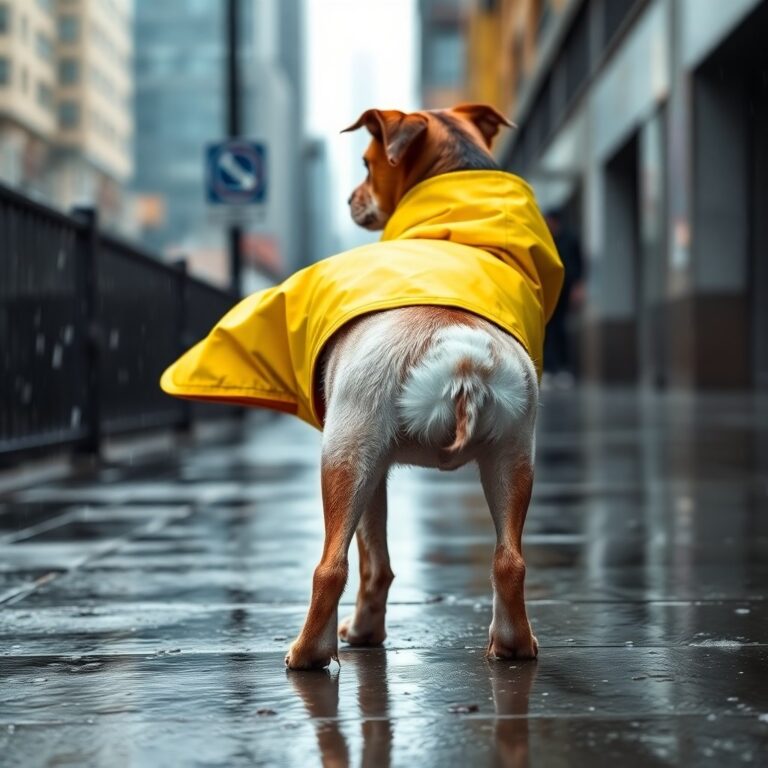
- Invest in Protective Clothing: Windproof and water-resistant winter jackets or sweaters are essential for short-haired, small, or senior dogs. Ensure the garment fits snugly without restricting movement or circulation.
- Utilize Booties or Paw Wax: Sidewalk salt and chemical de-icers can cause severe chemical burns on paw pads. High-quality dog booties provide a physical barrier against toxins, freezing surfaces, and sharp ice crystals. If your dog refuses booties, apply a thick layer of pet-safe paw wax before leaving the house.
- Perform Post-Walk Inspections: Upon returning home, thoroughly wipe down your dog’s paws, legs, and underbelly with a warm, damp towel to remove salt, chemical ice melt, and accumulated snowballs.
- Shorten the Duration: Opt for multiple short walks throughout the day rather than one prolonged excursion. Keep mental stimulation high indoors with puzzle toys if outdoor exercise is limited.
References
American Veterinary Medical Association (AVMA). ‘Cold weather pet safety.’ Retrieved from AVMA guidelines on environmental exposure.
Tufts University. ‘Tufts Animal Condition and Care (TACC) Scale for Assessing Animal Care.’ Clinical guidelines for environmental safety assessment.
Frequently Asked Questions
Do dogs need coats in the winter?
Yes, many dogs benefit from coats. Short-haired breeds, small dogs, puppies, and senior dogs require an insulated jacket when temperatures drop below 32°F (0°C). Large breeds with thick double coats generally do not need extra layers unless they are exposed to wet or extremely windy conditions.
How long can a dog walk in 30-degree weather?
Most healthy, medium-to-large dogs can safely walk for 20 to 30 minutes in 30°F (-1°C) weather. However, for small breeds, senior dogs, or short-haired dogs, walks at this temperature should be limited to 10 to 15 minutes, preferably with protective winter clothing.
Can a dog’s paws freeze on ice?
Yes, a dog’s paw pads can suffer from frostbite. Although dogs have a specialized circulatory system in their paws to reduce heat loss, prolonged contact with frozen ice, snow, or metal surfaces can freeze the tissue, leading to pain, tissue damage, and skin peeling.