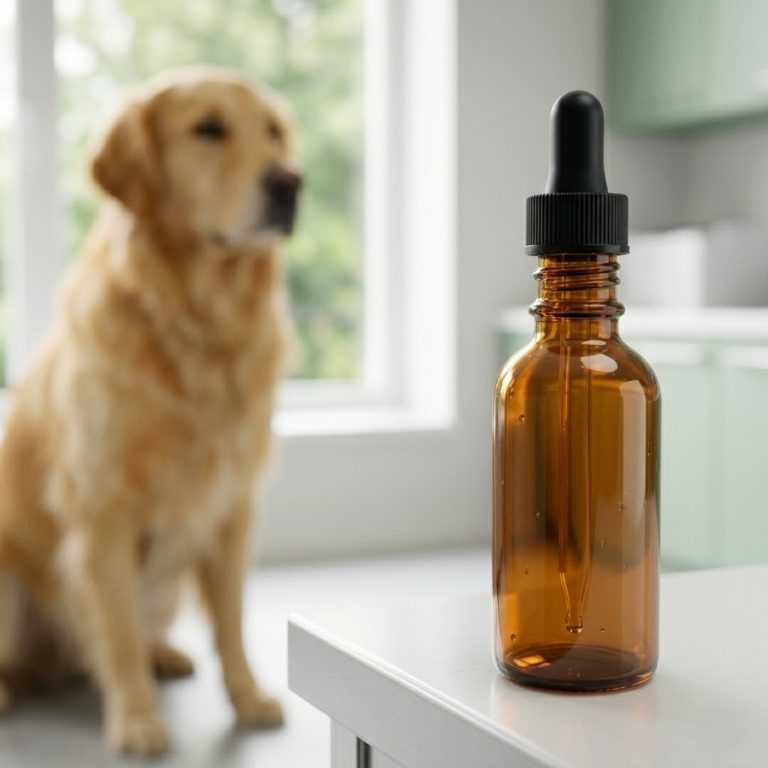


When the sky turns dark and the first rumble of thunder echoes through the house, the frantic pacing and heavy panting usually begin. For dogs terrified of storms, finding relief that actually works—without turning them into a groggy zombie—is a constant challenge for anyone wanting to help their pet feel safe.
L-tryptophan and alpha-casozepine are clinically proven, non-sedating dietary supplements that target separate neurotransmitter pathways to significantly reduce the physiological and behavioral markers of severe storm phobia in dogs. These natural compounds offer a highly effective alternative or adjunct to heavy sedatives, helping dogs process fear rather than merely rendering them physically incapacitated.
The Neurobiology of Canine Storm Anxiety
Canine noise phobias, particularly storm anxiety, are complex panic responses triggered by a combination of atmospheric pressure drops, static electricity, high-frequency wind sounds, and thunder. When a dog experiences this, their sympathetic nervous system goes into a state of acute hyperarousal, flooding their body with cortisol and adrenaline.
How L-Tryptophan Calms the Brain
L-tryptophan is an essential amino acid that serves as the biological precursor to serotonin, the primary neurotransmitter responsible for regulating mood, anxiety, and social behavior. Upon ingestion, L-tryptophan crosses the blood-brain barrier and is converted into 5-hydroxytryptophan (5-HTP), which is then synthesized into serotonin. Higher systemic levels of serotonin are directly associated with increased impulse control and reduced panic responses.
For owners, this means L-tryptophan acts like a steady chemical stabilizer. It does not stop a panic attack instantly, but it raises your dog’s overall threshold for fear, making them less reactive to the initial rumbles of thunder.
The Role of Alpha-Casozepine in Fast-Acting Relief
Alpha-casozepine is a bioactive peptide derived from the enzymatic hydrolysis of bovine milk protein (specifically casein). This molecule binds selectively to gamma-aminobutyric acid (GABA) type-A receptors in the brain, mimicking the exact calming pathways activated by prescription benzodiazepines (like Xanax) without causing coordination loss, drowsiness, or physical dependency.
For owners, this means alpha-casozepine serves as a targeted ‘neurological brake.’ It actively blocks the acute panic signals generated during a storm, allowing the dog to remain conscious, functional, and receptive to behavioral training.
Clinical Evidence and Veterinary Guidelines
The efficacy of both L-tryptophan and alpha-casozepine is well-documented in veterinary behavioral medicine. Leading international veterinary organizations, including the American Animal Hospital Association (AAHA), support the use of nutraceuticals as part of a multimodal behavioral intervention plan for noise phobias.
Clinical trials show that dogs administered alpha-casozepine exhibit a statistically significant decrease in fear-related behaviors—such as pacing, whining, and hiding—comparable to the efficacy of pharmaceutical anxiolytics in mild-to-moderate cases. When paired with L-tryptophan, the synergistic effect targets both chronic baseline anxiety and acute panic triggers simultaneously.
Clinical Dosages and Administration Protocols
To achieve therapeutic success, these supplements must be dosed accurately based on the dog’s lean body mass and administered well in advance of the storm event. Waiting until the dog is already panicking significantly reduces the effectiveness of nutraceuticals due to the massive surge of adrenaline blocking receptor uptake.
| Supplement | Primary Mechanism | Target Dosage Range | Optimal Timing |
|---|---|---|---|
| L-Tryptophan | Precursor to serotonin; stabilizes baseline mood. | 10 to 20 mg per kg of body weight, twice daily. | Administer daily for 4 to 6 weeks to build therapeutic blood levels. |
| Alpha-Casozepine | GABA-A receptor agonist; blocks acute panic. | 15 to 22.5 mg per kg of body weight, once or twice daily. | Give 1 to 2 hours before a predicted storm; can be used daily during storm season. |
Safety Considerations and Veterinary Escalation Points
While both compounds are exceptionally safe, pet owners must observe specific clinical precautions. L-tryptophan must never be administered to dogs currently taking prescription selective serotonin reuptake inhibitors (SSRIs) such as fluoxetine, or tricyclic antidepressants (TCAs) such as clomipramine. Combining these substances can trigger a life-threatening condition known as serotonin syndrome, characterized by hyperthermia, tremors, rigid muscles, and rapid heart rates.
Because alpha-casozepine is derived from milk protein, it is lactose-free and rarely causes gastrointestinal upset, making it safe for dogs with dairy sensitivities. However, dogs with severe, confirmed beef or milk protein allergies should be monitored closely.
When to Escalate to Prescription Medication
Supplements are highly effective for mild to moderate anxiety, but dogs exhibiting severe physiological panic—such as self-mutilation, chewing through doors, digging at walls, or continuous trembling that lasts hours after the storm has passed—require rapid-acting pharmaceutical intervention. In these profound clinical cases, veterinarians (AAHA) often recommend pairing these long-term supplements with fast-acting, prescription-only acute medications like dexmedetomidine oromucosal gel or alprazolam.
Implementing a Comprehensive Storm Plan
No supplement can completely cure storm phobia on its own. Owners must implement a holistic management strategy alongside nutritional therapy:
- Create a Safe Haven: Designate an interior room with no windows, a white noise machine, and high-value treats to mask auditory and visual triggers.
- Static Reduction: Use specialized pressure garments or static-reducing vests to minimize the static electricity that builds up in a dog’s coat during barometric shifts.
- Desensitization: Outside of storm season, play low-volume recordings of thunder while rewarding your dog with high-value treats, gradually increasing the volume over several months.
Frequently Asked Questions
Can I give L-tryptophan and alpha-casozepine together?
Yes. These supplements target entirely different neurological pathways—serotonin and GABA, respectively—making them highly complementary and safe to use concurrently under the guidance of a veterinarian.
How long do these supplements take to show results?
Alpha-casozepine can show acute calming effects within 1 to 2 hours of administration. L-tryptophan, however, requires a loading period of 4 to 6 weeks of consistent daily dosing to significantly elevate baseline brain serotonin levels.
Are there any major side effects of L-tryptophan?
The most common side effects of L-tryptophan are mild lethargy and temporary gastrointestinal upset. However, combining it with prescription behavioral medications presents a serious risk of serotonin syndrome.
References
- American Animal Hospital Association (AAHA) Canine Behavior Guidelines.
- Beata, C., et al. (Clinical evaluation of alpha-casozepine for the management of anxiety-related disorders in dogs).
- Landsberg, G., et al. (Nutraceuticals and diet in the management of canine behavioral disorders).