

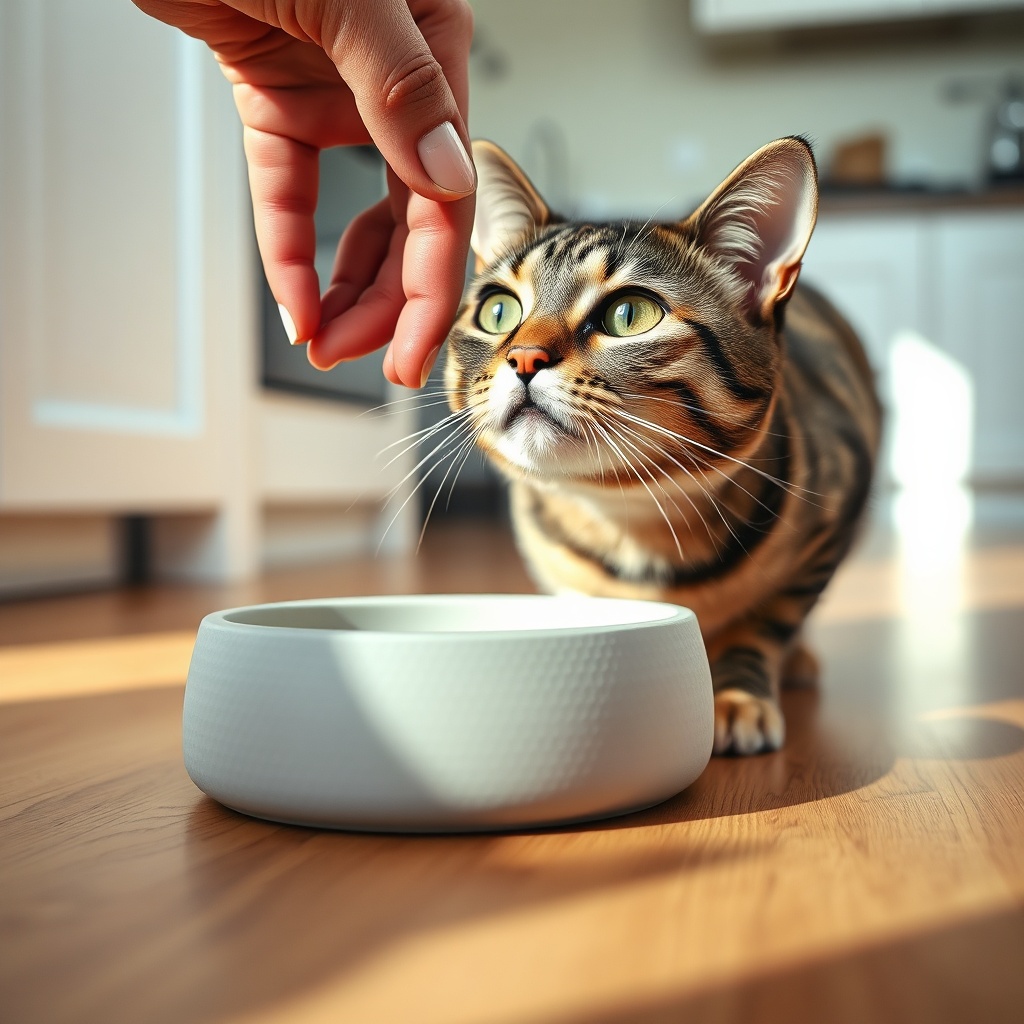
When your cat inhales their meal in mere seconds, it’s easy to write it off as an amusing quirk. But if every feeding time turns into a frantic race to the bottom of the bowl, there’s usually more going on beneath the surface than just a healthy appetite. Whether driven by subtle stress or an overlooked health issue, rapid gorging can spell trouble for your feline’s digestion down the road, making it well worth your attention before tummy troubles catch up to them.
Cats eat too fast primarily due to evolutionary survival instincts, resource competition in multi-pet homes, or underlying medical conditions like hyperthyroidism, diabetes, and intestinal parasites. Resolving this behavior requires a strategic combination of stress reduction, physical feeding barriers, and veterinary screening to rule out metabolic disorders.
The Root Causes: Why Cats Gorge Their Food
Understanding the psychological and physical triggers behind rapid eating is the first step toward correcting the behavior. Cats do not gorge without a reason; their instincts or their bodies are actively driving them to consume resources as quickly as possible.
1. Evolutionary Instincts and the Scarcity Mindset
Even the most pampered indoor cat carries the genetic blueprint of a wild predator. In the wild, solitary hunters must consume their prey immediately to prevent larger predators or scavengers from stealing it. This instinctual drive can persist in domestic environments, causing cats to eat as if their next meal is never guaranteed.
2. Resource Competition in Multi-Pet Homes
If you live in a multi-pet household, your cat may feel a silent pressure to eat quickly. Even if your pets seem to get along, the mere physical presence of another animal near the feeding station can trigger protective instincts. This silent competition leads to rapid eating as a defense mechanism to secure their portion before another pet can intervene.
3. Dietary Inadequacy and Poor Nutrition
When a cat’s daily diet lacks essential nutrients, high-quality proteins, or healthy fats, they may feel chronically unsatisfied. This biological deficit drives them to eat ravenously in an attempt to satisfy their body’s nutritional requirements. Feeding low-filler diets with poor digestibility often results in a perpetually hungry, fast-eating cat.
4. Underlying Medical Conditions
Sometimes, rapid eating is a direct symptom of metabolic or endocrine disease. Conditions such as hyperthyroidism (which spikes a cat’s metabolic rate), diabetes mellitus (which prevents cells from absorbing glucose, leaving the cat in a constant state of starvation), and intestinal parasites (which steal nutrients from the digestive tract) can cause an intense, unnatural surge in appetite.
The Health Risks of Fast Eating (‘Scarf and Barf’)
Allowing your cat to continue eating at high speeds poses several immediate and long-term health risks that can compromise their quality of life.
- Regurgitation: Often referred to by owners as the ‘scarf and barf’ phenomenon, this occurs when a cat swallows dry kibble too quickly without chewing. The kibble rapidly expands in the stomach, triggering an immediate gag reflex that causes the cat to vomit up undigested food.
- Choking Hazards: Swallowing large, unchewed pieces of food can block the trachea or esophagus, leading to acute choking episodes.
- Gastrointestinal Discomfort: Swallowing excess air alongside rapidly gulped food causes painful gas, bloating, and abdominal discomfort, leading to lethargy and behavioral irritability after meals.
Step-by-Step Action Plan to Slow Your Cat Down
As a practical behavior coach, I recommend implementing a structured, environment-focused training plan today to break the cycle of rapid eating. Use these highly effective tactics to pace your cat’s meals naturally.
- Transition to Puzzle Feeders: Replace traditional food bowls with interactive puzzle feeders or snuffle mats. These devices force your cat to use their paws and cognitive skills to extract individual pieces of kibble, physically slowing their ingestion rate while providing healthy mental stimulation.
- Use a Slow-Feeder Bowl: Utilize a specialized bowl featuring built-in ridges, mazes, or obstacles. The cat must navigate these structures with their tongue to grab the food, preventing them from taking massive, uninterrupted gulps.
- Implement Portion Control and Auto-Feeders: Instead of feeding two large meals a day, partition your cat’s daily intake into four to six micro-meals. Automated pet feeders can be programmed to dispense tiny portions throughout the day and night, eliminating the physiological starvation response.
- Separate Feeding Stations Geographically: In multi-cat homes, move feeding bowls to entirely different rooms. Visual and physical isolation during meal times eliminates the anxiety of resource competition, allowing each cat to eat at a calm, relaxed pace.
- Smear Wet Food on Lick Mats: If you feed wet food, spread it thinly across a textured silicone lick mat. Licking releases soothing endorphins in your cat’s brain while making it physically impossible for them to ingest the food quickly.
Common Feeding Mistakes to Avoid
When trying to correct this behavior, avoid these frequent missteps that can inadvertently worsen your cat’s anxiety or physical distress:
- Free-feeding dry food: Leaving a giant bowl of food out all day can lead to obsessive overeating patterns and severe obesity once the cat’s self-regulation mechanisms fail.
- Punishing the behavior: Raising your voice or startling your cat when they eat fast only increases their cortisol levels, reinforcing the belief that mealtime is a stressful event.
- Feeding pets side-by-side: Forcing cats to eat in close proximity to show ‘friendship’ actually induces silent, chronic stress that triggers speed-eating.
When to Consult a Veterinarian
If you have implemented environmental changes, separated your pets, and transitioned to puzzle feeders, but your cat still exhibits a desperate, insatiable drive to eat, a medical evaluation is required. Schedule a veterinary visit if you observe rapid eating accompanied by weight loss, increased water consumption, frequent urination, or chronic vomiting. Your veterinarian can perform targeted blood panels and fecal tests to identify and treat any underlying metabolic disorders.
Frequently Asked Questions
Can changing my cat’s food type help slow them down?
Yes. Switching from small, easily gulped dry kibble to high-quality wet food spread over a flat surface or textured lick mat forces your cat to lap up their food slowly rather than swallowing it whole.
Why does my cat act starved even though I feed them the recommended amount?
Your cat may not be absorbing the nutrients from their food due to low-quality ingredients, or they may be suffering from a medical condition like intestinal parasites or hyperthyroidism, which requires veterinary diagnosis.
Is it safe to use a slow feeder for wet food?
Absolutely. Many silicone and plastic slow feeders are specifically designed with shallow grooved patterns that work perfectly for wet food or purees, offering an excellent way to slow down wet-food eaters.