
That familiar, yeasty smell and constant head shaking mean your dog’s ears are in trouble again. When chronic canine otitis externa is driven by stubborn *Pseudomonas aeruginosa*, standard drops often fall short, but pairing Tris-EDTA with chlorhexidine delivers a clinically proven, targeted approach to clear the infection.
A topical Tris-EDTA and chlorhexidine flush protocol works by synergistically destabilizing the protective biofilm of Gram-negative bacteria, allowing the antiseptic to penetrate and destroy the pathogen. This dual-action mechanism is essential for managing resistant ear infections that fail to respond to standard first-line therapies.
The Threat of Pseudomonas Aeruginosa in Canine Ears
Pseudomonas aeruginosa is an opportunistic, Gram-negative bacterium that thrives in moist environments, making the canine ear canal an ideal breeding ground. Once established, it produces a slimy matrix called a biofilm. This biofilm acts as a physical shield, rendering standard ear drops and the dog’s own immune system largely ineffective.
For owners, this means a standard ear cleaner will not work; the protective slime barrier must be chemically broken down before any active medication can reach the actual bacteria hiding underneath.
Typical symptoms of a Pseudomonas ear infection include:
- A sweet, grape-like or intensely foul, musty odor.
- Thick, yellow-green or purulent discharge.
- Severe swelling, redness, and pain in the ear canal.
- Frequent head shaking, scratching, or whimpering when the ears are touched.
How Tris-EDTA and Chlorhexidine Work Synergistically
Tris-EDTA (Tromethamine-Ethylenediaminetetraacetic acid) is not an antibiotic or a strong antiseptic on its own. Instead, it is a powerful buffering solution and chelating agent. It binds to calcium and magnesium ions in the outer membrane of the Gram-negative bacterial cell wall, destabilizing the cell structure and making the biofilm highly permeable.
When chlorhexidine digluconate is introduced alongside or immediately after Tris-EDTA, its bactericidal properties are amplified exponentially. The chlorhexidine easily slips through the weakened cell walls of the bacteria, disrupting the inner membrane and causing cell death. According to international veterinary dermatology guidelines (WSAVA), this synergy allows clinicians to use lower, safer concentrations of chlorhexidine while achieving superior bacterial kill rates.
The Clinical Flushing Protocol
To successfully resolve a Pseudomonas infection, the protocol must be followed systematically. Haphazard application will only encourage bacterial resistance.
Step 1: Veterinary Assessment and Otoscopy
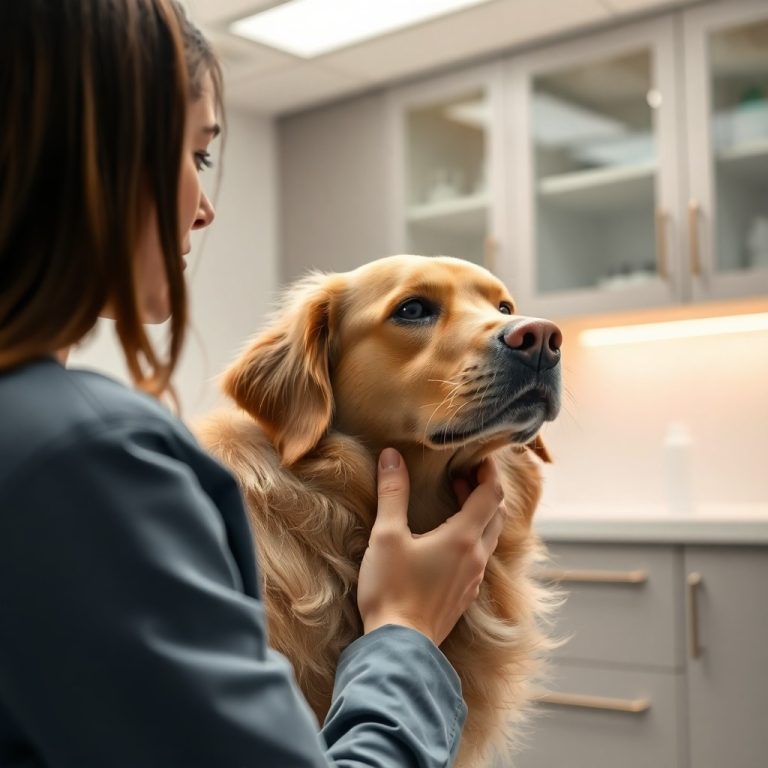
Before introducing any fluid into a dog’s ear, a veterinarian must confirm the status of the tympanic membrane (eardrum). This is a critical safety step because many antiseptics are ototoxic if they leak into the middle ear.
Step 2: Pre-Cleaning (If Indicated)
If the ear canal is filled with thick, purulent discharge, the vet may perform an initial gentle flush using sterile saline or a dedicated squalene-based dewaxer to clear physical debris. This ensures the Tris-EDTA can directly contact the ear lining.
Step 3: Application of Tris-EDTA
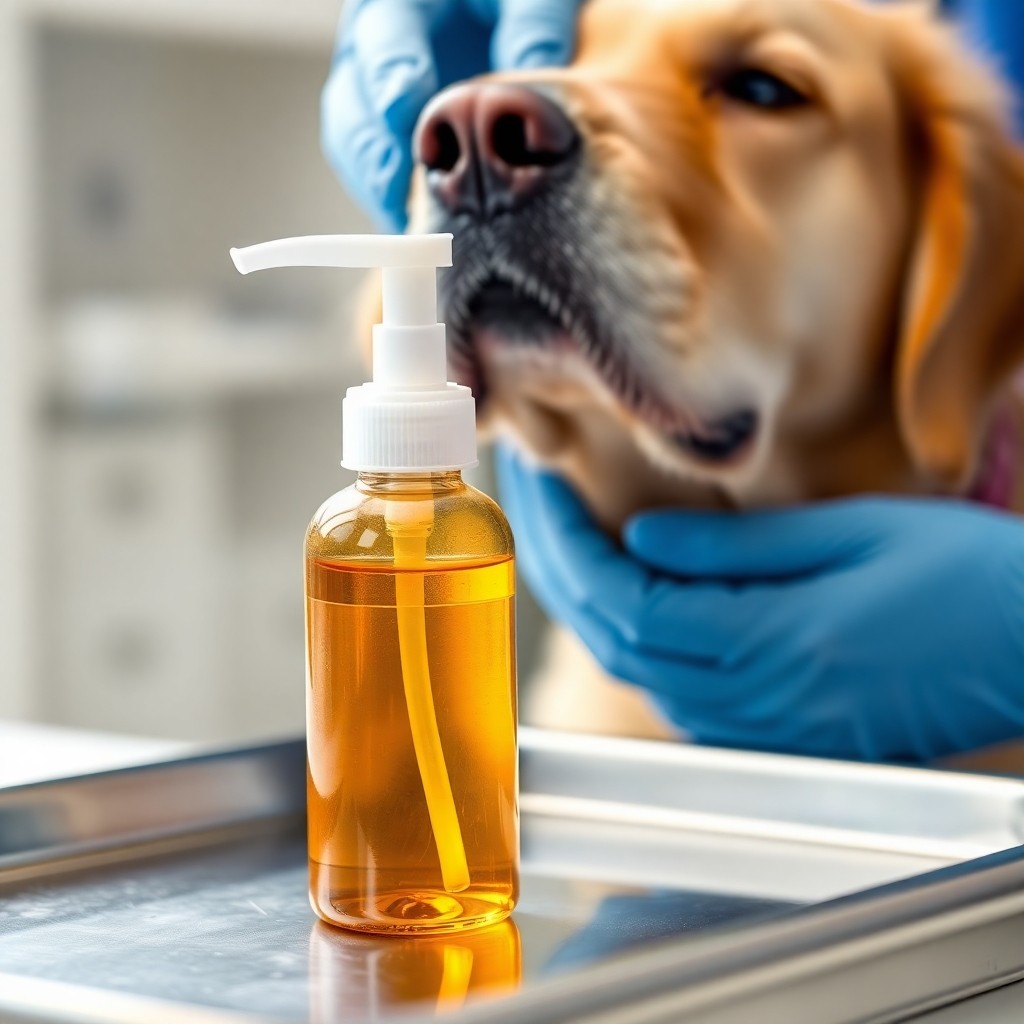
Instill a generous amount of the Tris-EDTA solution directly into the ear canal. Massage the base of the ear gently for 60 seconds. A squelching sound indicates the fluid is moving deep into the canal. Allow the solution to dwell in the ear for 10 to 15 minutes before applying any other topical agents. Do not wipe it out prematurely.
Step 4: Application of Chlorhexidine
Instill the chlorhexidine flush (often formulated at a safe, low concentration of 0.15% to 0.2% in aqueous solution) into the canal. Massage the ear base again, then allow the dog to shake its head. Gently wipe away any excess debris and moisture from the outer ear flap using clean cotton balls or gauze. Never use cotton buds deep inside the canal.
Protocol Reference and Safety Thresholds
The following table outlines the target concentrations, contact times, and safety profiles for these agents as recommended in clinical veterinary settings.
| Agent / Step | Target Concentration | Optimal Contact Time | Primary Clinical Purpose | Safety & Ototoxicity Note |
|---|---|---|---|---|
| Tris-EDTA | Standard buffered aqueous solution | 10–15 minutes | Chelates cell wall, breaks down biofilm, increases pH | Extremely safe; non-ototoxic even if the eardrum is ruptured |
| Chlorhexidine Digluconate | 0.15% to 0.2% (aqueous solution) | 5–10 minutes | Rapid bactericidal action against damaged cells | Potentially ototoxic at high concentrations (>0.2%) if eardrum is ruptured |
| Combination Flush | Pre-buffered commercial formulation | 5–10 minutes | Simultaneous biofilm disruption and antiseptic delivery | Must be used under strict veterinary guidance if eardrum status is unknown |
Crucial Safety Warnings and Vestibular Risks
While Tris-EDTA is exceptionally safe and does not cause damage to the middle ear, chlorhexidine must be used with caution. If a dog has a ruptured eardrum, exposing the middle or inner ear to concentrated chlorhexidine can cause permanent deafness or vestibular syndrome.
For owners, this means you must watch for signs of middle ear irritation during treatment. If your dog exhibits any of the following symptoms, stop the flush immediately and contact your veterinarian:
- A sudden head tilt to one side.
- Loss of balance, wobbling, or walking in circles.
- Rapid, involuntary eye movements (nystagmus).
- Asymmetric facial muscles or inability to blink.
Maintaining Long-Term Ear Health
Once the active infection is cleared, preventing recurrence is vital. Pseudomonas thrives in humid environments. Keep your dog’s ears dry after swimming or bathing by using a gentle drying agent recommended by your vet. Regular, preventative cleanings with a mild Tris-EDTA solution can prevent new biofilms from forming without causing irritation.
Frequently Asked Questions
How long does it take to clear Pseudomonas otitis with this protocol?
It typically takes three to six weeks of daily or twice-daily flushing, depending on the severity of the infection and the depth of the biofilm. A follow-up veterinary exam and ear cytology are necessary to confirm the infection is entirely gone before stopping treatment.
Can I make my own chlorhexidine and Tris-EDTA flush at home?
No. Commercial veterinary formulations are precisely buffered to a specific pH (usually around 8.0) to optimize the chelation process and ensure the chlorhexidine remains stable and non-irritating. Homemade mixtures can cause severe chemical irritation and increase the risk of ototoxicity.
Why can’t I just use standard antibiotic drops?
Standard antibiotic drops cannot penetrate the thick bacterial biofilm of Pseudomonas effectively on their own. Without the pre-treatment of Tris-EDTA to strip away this protective layer, the antibiotics are blocked, which often leads to treatment failure and increased bacterial resistance.
References
- World Small Animal Veterinary Association (WSAVA) Dermatology Guidelines
- Journal of Veterinary Dermatology – Synergistic clinical effects of EDTA-Tris and antiseptic solutions
- International Association for Companion Animal Otology Standards