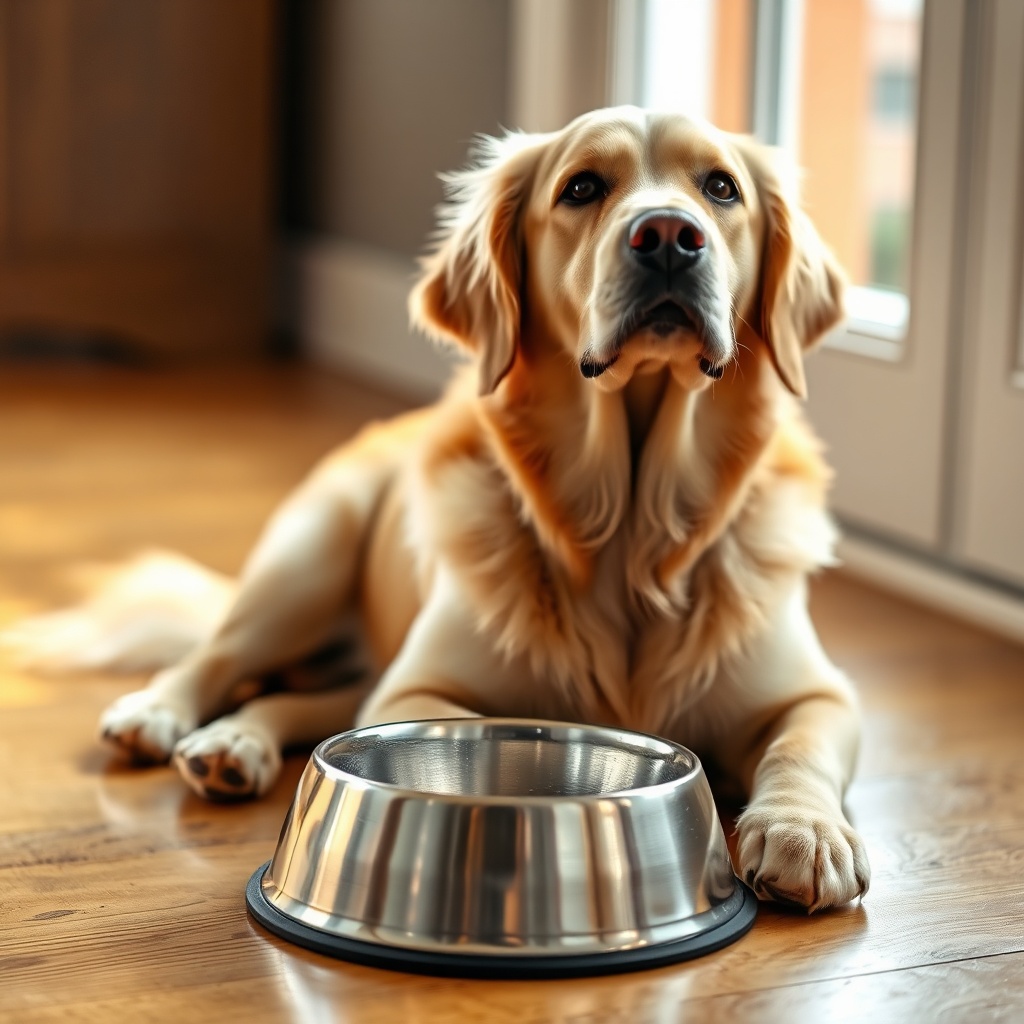
A dog freezing over their food bowl is a chilling sight. Your dog stiffens, their eyes widen, and a low growl vibrates through their chest. This behavior is not a bid for dominance, but a deeply rooted survival instinct driven by the fear of losing something valuable.
Counterconditioning for food guarding works by systematically changing your dog’s emotional response from anxiety to anticipation, teaching them that a human approaching their bowl means exceptional treats are added, not taken away.
The Core Golden Rule: Never Fight Back
Punishing a dog for guarding their food is dangerous. If you yell, hit, or forcibly take the bowl away, you confirm their worst fear: that humans are unpredictable thieves. This escalated anxiety leads to harder bites. Worse, if you punish the growling, you might cure the growl but not the underlying fear. You end up with a dog that bites without warning.
Preparation: Gather Your Tools and Identify the Threshold
Before beginning, you must prepare the right environment and high-value rewards. Plain kibble will not work for this training. You need something far better than what is in their bowl.
- High-Value Treats: Roast chicken, hot dog slivers, string cheese, or freeze-dried beef liver. Cut them into tiny, pea-sized pieces.
- A Safe Distance (The Threshold): This is the distance from the food bowl where your dog is aware of you but remains completely relaxed, continuing to eat without stiffening or eating faster.
- A Logbook: Track your dog’s progress daily. Patience is your primary asset.
The 4-Step Counterconditioning Protocol
Do not rush these steps. Spend at least 3 to 5 days on each step. Only advance when your dog consistently wags their tail or looks up expectantly when you approach.
Step 1: The Distant Drop-and-Retreat
Begin when your dog is eating their normal meal from their bowl.
- Stand well outside their guarding threshold (often 8 to 10 feet away).
- Toss a piece of high-value chicken or cheese toward their bowl.
- Immediately turn and walk away.
- Repeat this 3 to 4 times during a single meal.
Your goal is to teach the dog that your presence at a distance predicts the arrival of bonus treats.
Step 2: Taking One Step Closer
Once your dog looks back at you expectantly from Step 1, you can decrease the distance.
- Approach to one step inside their original threshold (usually about 5 to 6 feet away).
- Toss the high-value treat into or right next to their bowl.
- Turn around and walk away immediately.
- If the dog stiffens, you are too close. Take a step back and stay at that safer distance for a few more days.
Step 3: The Approach and Drop
At this stage, you will walk directly up to the bowl, drop the treat, and walk away.
- Walk casually up to the bowl while your dog is eating.
- Drop a highly prized treat (like a piece of real steak or cheese) directly into their bowl.
- Do not try to pet your dog or touch the bowl.
- Turn and walk away immediately.
Your dog should begin to look up from their bowl with a loose, happy body language when they hear you approach, anticipating the upgrade.
Step 4: Touch and Upgrade
Only attempt this step when your dog shows zero signs of tension when you stand next to their bowl.
- Approach the bowl and bend down.
- As you offer a high-value treat with one hand, gently touch the edge of the food bowl with the other.
- Release the treat into the bowl and step back.
- Eventually, you will progress to picking up the bowl, dropping an incredible reward inside, and immediately returning the bowl to the floor.
Reading Your Dog’s Body Language
Safety depends on your ability to read subtle signs of stress. Use this reference table to evaluate your dog’s comfort level during training sessions.
| Relaxed Signals (Safe to Proceed) | Tension Signals (Stop and Step Back) |
|---|---|
| Loose, wagging tail at medium height | Stiff, frozen posture or hard stare |
| Willingness to look away from food to look at you | Hovering over the bowl with head held low |
| Slow, steady chewing pace | Gulping food rapidly when you approach |
| Soft, blinking eyes | Wide eyes showing the whites (whale eye) |
Frequently Asked Questions
What should I do if my dog growls at me during training?
Stop immediately and quietly take several steps back until your dog relaxes. Do not scold them. The growl is communication that you moved too fast. Return to the previous successful step of the protocol during the next mealtime.
How long does this training process take?
Every dog is different. Some mild guarders resolve within two weeks. Severe cases can take several months of daily, consistent training. Rushing the process will cause setbacks.
Can I use this method for puppies?
Yes. In fact, practicing Step 1 and Step 2 with puppies is an excellent way to prevent resource guarding from ever developing. Always teach young dogs that human hands near their food bring additions, never subtractions.