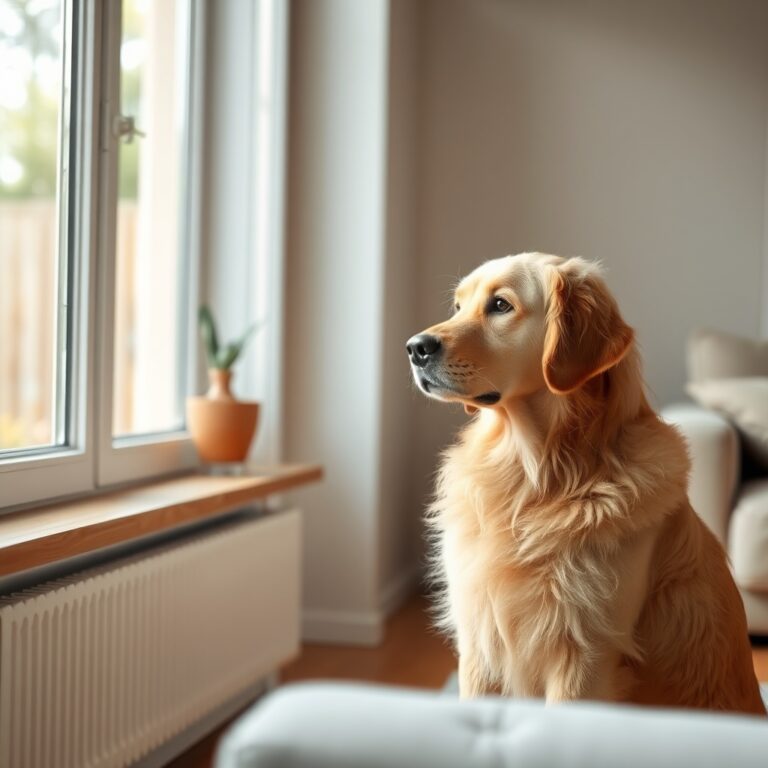

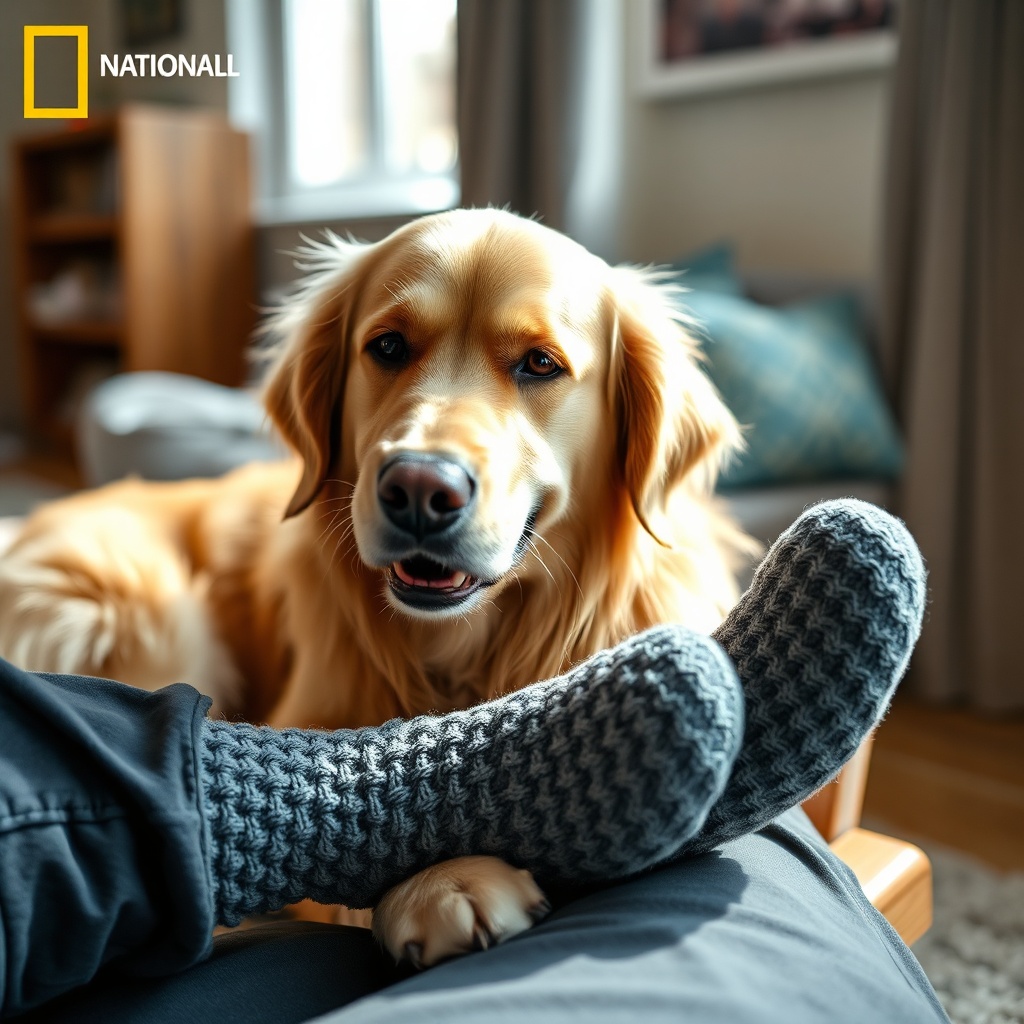
Ever look down and realize your dog is using your feet as a personal cushion? While it might just seem like a quirky habit or a lazy way to catch a nap, there is actually a lot more going on beneath that warm, heavy weight. From ancient pack instincts to a quiet bid for reassurance, your dog is sending you a message—they just don’t speak English to explain it.
Your dog sits on your feet primarily to claim security, share body warmth, express deep affection, or subtly signal to other animals that you belong to their pack. This behavior is deeply rooted in ancestral canine instincts and is a natural way for your pet to feel grounded and connected to their favorite human.
The 5 Behavioral Reasons Your Dog Sits on Your Feet
To understand what your canine companion is trying to communicate, you need to look at the context of their behavior. Here are the five most common reasons dogs seek out this close physical contact:
1. Warmth and Physical Comfort
On a purely physical level, your feet act like natural heating pads. Dogs have a higher baseline body temperature than humans (typically between 101 and 102.5 degrees Fahrenheit), but they still love to conserve energy by absorbing heat from you. Curling up on your feet keeps them insulated from cold hardwood, tile, or laminate flooring.
2. The ‘Pack’ Mentality and Security
In the wild, wild canines sleep piled together in tight dens to protect themselves from predators and harsh weather. By physical anchoring themselves to your feet, your dog is treating you as a trusted pack member. This contact assures them that you are safe, and it allows them to immediately feel if you move or stand up, keeping them in the loop at all times.
3. Subtle Scent Marking
Dogs navigate the world through scent. By sitting, laying, or rubbing against your feet, your dog is depositing their unique pheromones onto you. To other animals, this scent serves as a friendly but clear signpost: ‘This human is taken.’ It is a peaceful, instinctual way of reinforcing your bond.
4. Reassurance and Anxiety Management
If your dog suddenly starts sitting on your feet when guests arrive, during thunderstorms, or when loud construction is happening outside, they are likely seeking a security blanket. Your physical presence acts as a powerful grounding force that actively lowers their cortisol (stress hormone) levels. Being close to your scent and heartbeat reassures them that you will keep them safe.
5. Breed-Specific Instincts
Some dog breeds are biologically hardwired to stay as close to their handlers as possible. Working, herding, and toy breeds—often referred to as ‘velcro dogs’—have been selectively bred for centuries to work closely alongside humans. Breeds like German Shepherds, Border Collies, and Chihuahuas are prime candidates for this foot-hugging habit.
Is Sitting on Your Feet a Sign of Dominance?
A common myth in the dog training world is that a dog sitting on your feet is trying to assert dominance or control over you. Modern canine behavioral science has largely debunked this theory. Domineering behaviors are typically accompanied by stiff body posture, intense staring, growling, or resource guarding. If your dog is relaxed, panting happily, or sleeping soundly on your feet, it is a sign of trust and affection, not a bid for household leadership.
How to Handle ‘Velcro Dog’ Behavior Today
While having a foot-warmer is incredibly cozy, it can occasionally cross the line into unhealthy codependency or separation anxiety. If your dog cannot function unless they are touching you, use this practical action plan to encourage a healthy balance of independence:
- Create a designated comfort zone: Set up a premium, orthopedically supportive dog bed right next to your desk or favorite chair. Place an old, unwashed t-shirt of yours on the bed so your scent is still present.
- Reward independent settling: Practice the ‘place’ command. Reward your dog with high-value treats only when they choose to lay calmly on their own bed instead of your feet.
- Avoid rewarding attention-seeking whines: If your dog pushes onto your feet while demand-barking or pawing at you, gently stand up and walk away without making eye contact. This teaches them that pushy behavior results in loss of contact.
- Provide mental stimulation: Give your dog a stuffed puzzle toy or a long-lasting chew when you need to focus. This occupies their mind and teaches them that good things happen when they are not physically attached to you.
Frequently Asked Questions
Why does my dog sit on my feet in the bathroom?
The bathroom is a small, enclosed space where your dog feels highly protective of you. Because you are sitting still, they view this as the perfect, uninterrupted opportunity to offer close companionship and keep watch while you are in a vulnerable position.
Should I let my dog sit on my feet if they are nervous?
Yes, but with limits. Allowing an anxious dog to sit on your feet during temporary stressors (like fireworks) provides comfort. However, you should pair this comfort with positive reinforcement or calming pheromone diffusers so they learn to cope with their fears rather than becoming completely dependent on your physical contact to calm down.