

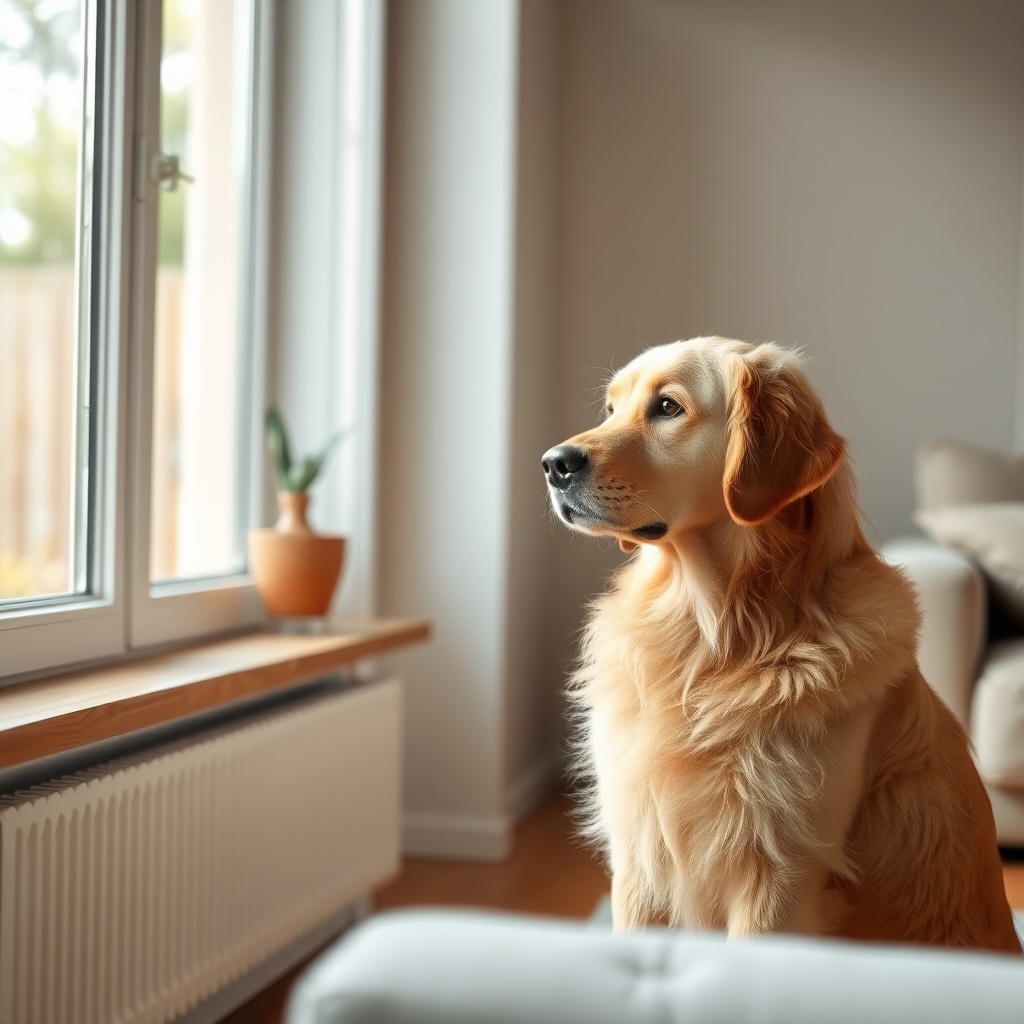
Catching a warm sunbeam is usually what we assume our dogs are doing when they park themselves by the window for hours on end. Yet that quiet, steady gaze often masks a much more complex routine. Whether they are tracking neighborhood movement out of sheer curiosity, guarding the perimeter against perceived intruders, or simply trying to break up a profoundly boring afternoon, staring outside taps deep into canine instincts. Figuring out what motivates your dog’s window watch is the first step in knowing whether it is just a peaceful pastime or a sign of mounting stress.
Dogs sit by the window all day primarily for mental stimulation, environmental monitoring, and territorial instinct, as the outdoor view acts like a highly engaging, real-time sensory experience. However, this behavior can also stem from separation anxiety, a lack of physical exercise, or a simple search for physical warmth.
The Core Reasons Behind the Window Watch
To address your dog’s window habit, you must first decipher what they are getting out of it. For most dogs, the window serves as an interactive portal to the outside world, but the underlying motivation can vary widely.
1. Environmental Enrichment and Entertainment
Dogs are naturally curious creatures. The movement of blowing leaves, passing cars, neighborhood cats, and pedestrians provides a stream of visual stimulation. In the canine world, this is often referred to as ‘dog television.’ If a dog is left home alone without interactive toys or tasks, the window becomes their primary source of entertainment to keep boredom at bay.
2. Territorial Sentinel Behavior
Many breeds possess a strong instinct to guard their home and pack. Sitting by the window allows your dog to act as a sentinel, monitoring the perimeter of their territory. Every time a mail carrier or neighbor passes by and continues walking, your dog perceives that their presence or alert behavior successfully ‘chased’ the intruder away, reinforcing the habit.
3. Separation Anxiety and Waiting
If your dog sits rigidly by the window only when you are gone, staring intently in the direction you departed, this behavior is likely fueled by separation anxiety. Instead of enjoying the view, they are in a state of high arousal, waiting anxiously for your return. This is often accompanied by whining, pacing, or destructive chewing near the window frame.
4. Seeking Warmth and Comfort
Sometimes, the explanation is incredibly simple. Windows collect sunlight, creating warm patches on the floor that dogs love to sleep in. Alternatively, during warmer months, a slightly open window provides a fresh breeze and a cascade of interesting scents that stimulate their highly developed olfactory system.
When Window Watching Becomes a Behavioral Issue
While quiet observation is perfectly healthy, window watching can easily cross the line into obsessive behavior or barrier frustration. You should intervene if you notice any of the following warning signs:
- Reactive Barking: Growling, lunging, or barking frantically at every person or animal that passes.
- Inability to Disengage: The dog cannot be easily distracted with treats, toys, or commands while at the window.
- Physical Stress Signs: Panting, trembling, dilated pupils, a stiff body posture, or a high, vibrating tail while looking outside.
- Obsessive Pacing: Walking back and forth along the window ledge continuously.
Over time, constant exposure to triggers they cannot physically reach can elevate your dog’s cortisol (stress hormone) levels, leading to generalized anxiety and reactivity during normal outdoor walks.
Your Step-by-Step Action Plan to Manage Window Watching
If your dog’s window habit is driven by stress, reactivity, or obsession, you can implement this practical, step-by-step training plan to restore calm to your home environment.
Step 1: Manage the Environment
The easiest way to stop a behavior is to remove the opportunity to practice it. Use temporary frosted window film on the lower half of the glass pane. This blocks the visual trigger of passing animals and people while still allowing natural sunlight to fill the room.
Step 2: Increase Daily Mental Enrichment
Bored dogs look for jobs, and window guarding is an easy job to find. Replace their window time with structured mental workouts. Use puzzle feeders, stuff a rubber toy with frozen peanut butter, or scatter their kibble across a snuffle mat. Engaging their brain for fifteen minutes can tire a dog out more effectively than a long walk.
Step 3: Teach a ‘Quiet’ or ‘Leave It’ Command
When your dog barks at the window, avoid shouting, as they may think you are barking along with them. Instead, calmly walk over, acknowledge the trigger, and use a clear, quiet command like ‘leave it.’ Promptly reward them with a high-value treat when they turn their head away from the glass to look at you.
Step 4: Create a Designated Quiet Zone
Move your dog’s bed or crate away from the window to a quieter area of the house. Encourage them to use this space by offering special chew toys or dental treats only when they are resting peacefully in their designated zone.
Common Mistakes to Avoid
- Yelling at Your Dog: Raising your voice to stop window barking only adds energy and stress to an already tense situation. It teaches the dog that the trigger is indeed something to be anxious about.
- Assuming a Quiet Dog is a Happy Dog: A dog who sits silently but rigidly staring out the window for hours may still be experiencing high levels of silent stress or hyper-vigilance. Check their body language for tension.
- Leaving Blinds Partially Open: Leaving blinds open just enough for your dog to peer through often intensifies their focus, turning the window into a high-value, restricted viewing slot that increases frustration.
Frequently Asked Questions
Is it bad for a dog to look out the window all day?
It is not inherently bad if your dog is relaxed, lying down, and occasionally snoozing. However, if they are tense, barking, or unable to relax when away from the window, it indicates chronic stress and barrier frustration that requires intervention.
How do I stop my dog from barking at people through the window?
Block their line of sight using frosted window film or pull the curtains closed. Combine this with positive reinforcement training, rewarding your dog immediately when they look away from the window upon hearing a sound outside.
Should I leave the TV on for my dog instead?
For many dogs, classical music, white noise, or specialized dog-television channels can help mask outdoor sounds and provide a soothing distraction, making it an excellent alternative to window watching when you are away.