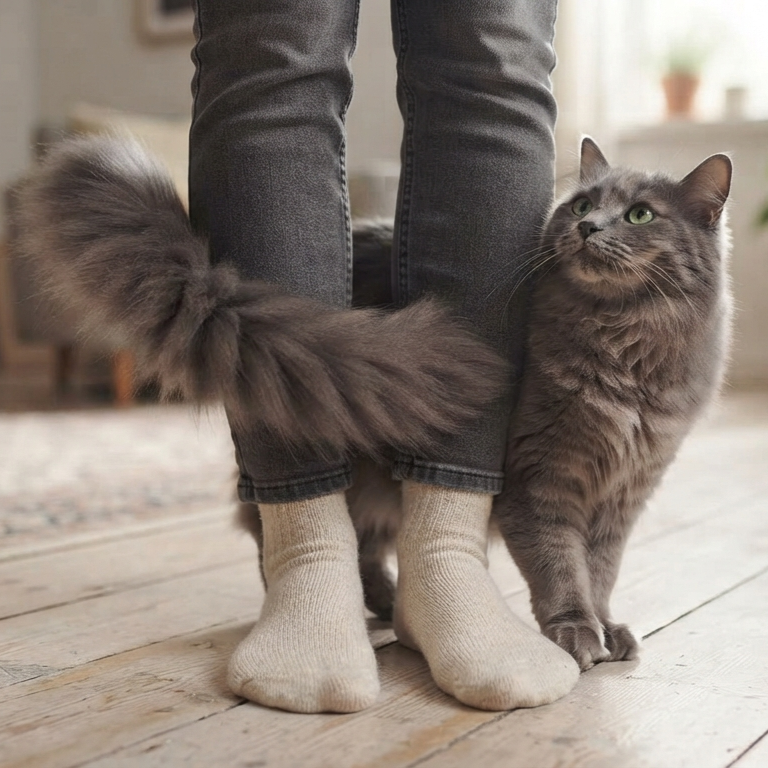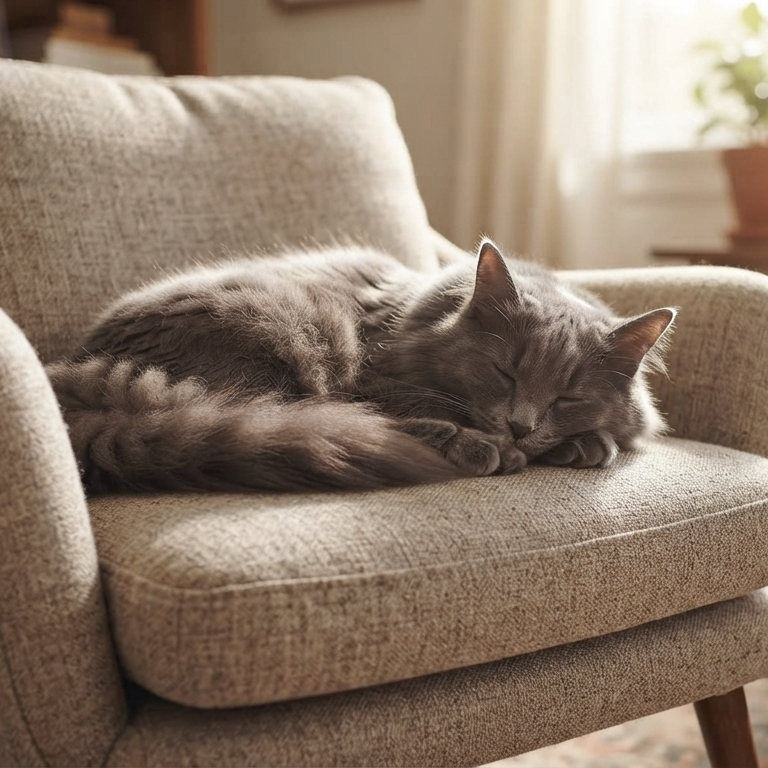


You probably spent good money on a plush, high-end pet bed, only to watch your cat completely ignore it and curl up on a hard wooden kitchen chair instead. It is endlessly frustrating to see your investment gather dust while your feline friend claims the most uncomfortably rigid seat in the house.
Cats prefer chairs over their beds because chairs offer elevated vantage points for safety, retain their owner’s comforting scent, and provide semi-enclosed boundaries that mimic natural hiding spots. Most commercial cat beds are placed directly on the floor, exposing cats to cold drafts, foot traffic, and a sense of vulnerability.
Why the Chair Wins: The Feline Perspective
To understand this behavior, you must look at your living room through a feline lens. Your domesticated cat is still driven by deep-rooted survival instincts inherited from their wild ancestors.
- The Power of Elevation: In the wild, being low to the ground makes a small animal vulnerable to larger predators. A chair raises your cat off the floor, giving them a clear line of sight to observe their territory and spot any potential threats.
- The Scent Connection: Your favorite armchair or office chair is saturated with your unique scent. Because cats are incredibly scent-driven creatures, snuggling up on a surface that smells like you provides immense emotional comfort and security.
- Structured Boundaries: Chairs with high backs, armrests, or deep cushions act as semi-enclosed nests. These physical barriers protect a cat’s flanks, allowing them to lower their guard and fall into a deeper, more restorative sleep.
- Draft Avoidance: Warm air rises. Cold air and drafts sweep across floors, making standard floor-level cat beds chilly. A chair cushion is warmer, better insulated, and keeps your pet comfortable.
Step-by-Step Guide to Get Your Cat to Use Their Bed
Reclaiming your favorite seat requires more than simply moving your cat when they settle down. You need to actively make their designated bed the more attractive option. Use this practical, step-by-step training method to guide them back to their own space.
Step 1: Elevate the Cat Bed
Take your cat’s bed off the floor and place it on a sturdy, elevated surface. You can place it on a bench, a sturdy shelf, or even temporarily on the very chair they love. Once they build a habit of sleeping in the bed, you can slowly migrate it to a permanent, safe, elevated location of your choosing.
Step 2: Infuse the Bed with Familiar Scents
Brand-new cat beds often smell like synthetic factory materials, which can be highly off-putting to a cat’s sensitive nose. Drape an old t-shirt, sweater, or blanket that you have used for several days over the new bed. This instantly transfers your soothing scent to the bed, signaling to your cat that this new object is safe.
Step 3: Relocate to a Quiet, Sunny Spot
Cats seek out microclimates of warmth throughout the day. Position the elevated bed in a spot that catches morning or afternoon sunlight, far away from loud household appliances, drafty doorways, and high-traffic pathways.
Step 4: Use Positive Reinforcement
Never scold your cat for sleeping on your chair. Instead, reward them whenever they interact with their own bed. Place a few high-value treats or a sprinkle of organic catnip inside the bed. When you see them step into the bed voluntarily, offer quiet praise and gentle affection.
Common Mistakes to Avoid
If you have tried relocating the bed and your cat still refuses to use it, you might be making one of these common environmental mistakes:
- Placing the bed near resources: Do not place a cat’s sleeping area right next to their litter box or food bowls. Cats instinctually avoid sleeping where they eliminate or eat.
- Choosing the wrong style of bed: Some cats are ‘cave sleepers’ who prefer fully enclosed dome beds, while others are ‘sprawlers’ who prefer open mats. Pay attention to how your cat sleeps on the chair to match their preferred style.
- Neglecting cleanliness: Cats are fastidious groomers. If their bed accumulates too much loose fur, dust, or dirt over time, they will quickly abandon it for a cleaner surface.
Frequently Asked Questions
Should I block my cat from using my favorite chair?
Do not use physical punishment or loud noises to scare your cat off a chair. Instead, make the chair temporarily unappealing by placing a sheet of aluminum foil or a plastic desk mat upside down on the seat when you are not using it, while simultaneously offering a comfortable, elevated alternative nearby.
Why does my cat prefer hard wooden chairs over soft beds?
Some cats prefer firm surfaces because they offer better skeletal support, helping them stretch out their spine. Hard wooden chairs also do not trap excessive body heat, which can be preferable for thick-coated breeds during warmer seasons.
How long does it take for a cat to accept a new bed?
It typically takes anywhere from two to four weeks for a cat to accept a new sleeping spot. Felines are naturally suspicious of new items and require time to observe, smell, and safely test a new bed before sleeping in it regularly.