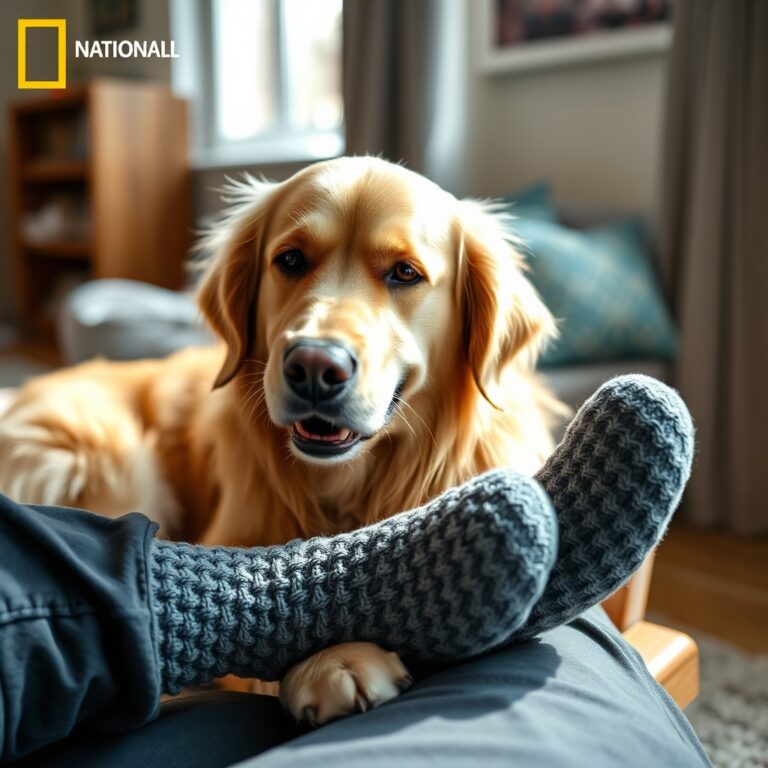

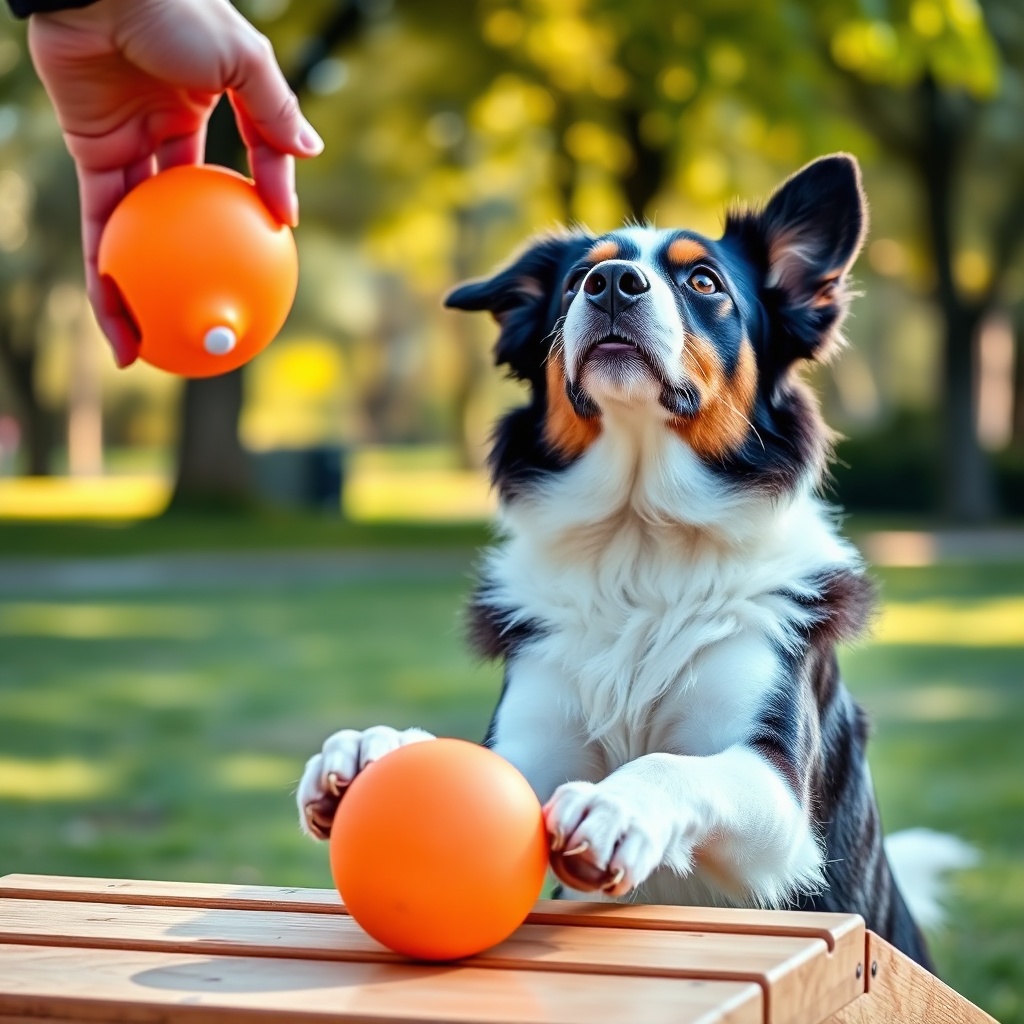
If your dog drops a tennis ball at your feet for the hundredth time today, it’s easy to write it off as boundless enthusiasm. But that endless, tireless drive for just one more throw might not be the pure fun it seems, as a relentless fixation on fetch can quietly morph into a high-stress, compulsive loop.
Understanding the Difference: Play vs. Addiction
While regular play is healthy, an extreme ball obsession is generally not healthy for dogs as it can lead to physical injuries, high stress levels, and compulsive behavioral disorders. True obsession is driven by repetitive dopamine spikes rather than joyful play, which can exhaust your dog mentally and physically.
In a healthy game of fetch, a dog remains aware of their surroundings. They will happily stop to sniff a bush, drink water, or greet another dog. An obsessed dog, however, exhibits a hyper-focused trance state. Their pupils dilate, they pant heavily even before exercising, and they may whine, bark, or nudge you relentlessly. If your dog ignores physical exhaustion, extreme heat, or bleeding paw pads just to chase another throw, they are no longer playing; they are experiencing a compulsive loop.
The Physical and Mental Risks of Ball Fixation
This obsessive behavior is not just a quirky habit. It carries genuine risks for your dog’s physical health and psychological well-being. Understanding these risks is the first step toward restoring balance to your dog’s daily life.
- Joint and Muscle Strain: The repetitive action of sprinting, leaping, and making sudden, hard brakes to grab a ball puts immense stress on a dog’s joints, especially the shoulders, hips, and cruciate ligaments.
- Dental Damage: Standard tennis balls have abrasive felt fibers that trap dirt and sand. When chewed, this mixture acts like sandpaper, slowly grinding down the protective enamel on your dog’s teeth.
- Chronic Stress: Constant anticipation of the ball keeps your dog’s body flooded with cortisol and adrenaline. Over time, this chronic state of hyper-arousal weakens their immune system and makes them reactive to everyday stimuli.
Step-by-Step Action Plan to Balance Fetch
You do not have to banish the ball forever. Instead, you need to change the rules of the game to teach your dog how to switch off their high-drive state.
- 1. Out of Sight, Out of Mind: When fetch is over, put the ball completely away in a closed drawer or closet. Do not leave it lying on the floor, which keeps your dog in a state of constant, stressful anticipation.
- 2. Implement Impulse Control Rules: Never throw the ball while your dog is barking, jumping, or hyperventilating. Demand a calm sit or down-stay, throw the ball while they remain still, and only release them to retrieve it once it has stopped rolling.
- 3. Introduce a Transition Cue: Use a clear verbal marker like ‘All done!’ accompanied by an open-palm hand gesture when the game is over. Follow this cue by immediately walking away and offering a calming activity, such as a stuffed chew toy.
- 4. Diversify Mental Stimulation: Swap out high-adrenaline fetch sessions for low-arousal activities. Scent work, puzzle feeders, and long sniffing walks stimulate the brain and release calming hormones like serotonin.
Common Mistakes Owners Make
Rehabilitating a ball-obsessed dog requires consistency. Avoid these common pitfalls to ensure your training efforts are successful:
- Using fetch as the only exercise: Relying solely on fetch to tire out a high-energy dog actually builds an athletic canine with endless stamina, requiring longer and more intense sessions to get tired.
- Allowing the dog to dictate the schedule: Giving in to whining or demands to throw the ball reinforces the obsessive loop. Only initiate play on your terms.
- Ignoring physical wear and tear: Continuing to throw the ball when a dog is visibly stiff, limping, or excessively panting can lead to severe long-term injuries.
Frequently Asked Questions
Why do some breeds get more obsessed with balls than others?
Herding and retrieving breeds, such as Border Collies, Australian Shepherds, and Golden Retrievers, have been selectively bred for high prey drives and repetitive tasks. This genetic predisposition makes them much more vulnerable to developing obsessive-compulsive behaviors around moving objects.
Are rubber balls better for dogs than tennis balls?
Yes. Smooth, non-abrasive rubber balls are much safer for a dog’s teeth because they do not trap dirt and sand like felt-covered tennis balls. Ensure you select a size that is too large to be swallowed to prevent choking hazards.
How do I know if my dog’s fetch habit is actually a behavioral disorder?
If your dog cannot relax at home, constantly searches for the ball, guards objects, or reacts with aggression when you remove the ball, the behavior has progressed into a compulsive disorder that may require guidance from a certified veterinary behaviorist.