
Staring out the window at a relentless downpour while your dog drops a tennis ball at your feet creates an instant dilemma: brave the storm for a soggy walk, or stay inside and risk an afternoon of couch-shredding zoomies. Striking the right balance between keeping your routine intact and keeping your pup safe means knowing how bad weather actually impacts their health and behavior.
Generally, you should avoid walking your dog in heavy rain unless absolutely necessary for quick potty breaks. Heavy downpours can cause sensory overload, increase the risk of ear infections, and make paw pads vulnerable to injury, making shorter walks or indoor enrichment better alternatives.
Why Many Dogs Dread Heavy Rain
Before stepping outside, it helps to understand why your dog might be backing away from the door. Dogs experience storms much differently than humans do. Their sense of hearing is significantly more acute, meaning the pounding of heavy rain, roaring wind, and distant thunder can sound like a deafening wall of noise. This sensory overload can trigger immediate anxiety, causing even relaxed dogs to freeze or try to bolt.
Physical discomfort is another major factor. Raindrops hitting a dog’s coat can feel like constant, annoying tapping, especially on sensitive areas like the face and ears. When water gets into their ear canals, it can cause immediate discomfort, prompting continuous head shaking and stress.
The Hidden Health Risks of Rain Walks
Walking in a light drizzle is usually harmless, but a heavy downpour presents several distinct physiological risks that every owner should consider.
- Hypothermia and Temperature Drops: When a dog’s coat becomes thoroughly soaked, it loses its insulating properties. This is especially dangerous for puppies, senior dogs, and breeds with short, single coats (such as Chihuahuas or Greyhounds). Once the skin temperature drops, the risk of chills and hypothermia rises quickly.
- Softened Paw Pads: Walking on wet pavement or mud for extended periods softens a dog’s paw pads, making them highly susceptible to cuts, abrasions, and chemical burns from road runoff. Wet paws are also a breeding ground for yeast and bacterial infections.
- Waterborne Pathogens: Heavy rains wash chemicals, motor oil, and trash into street puddles. More dangerously, standing water can harbor parasites like Giardia and bacteria such as Leptospira, which can be life-threatening if ingested.
- Ear Infections: Dogs with floppy ears, such as Spaniels or Retrievers, are particularly prone to trapping moisture inside their ear canals during heavy rain. This dark, warm, and wet environment is the perfect incubator for painful yeast infections.
The Rain Walk Decision Matrix
Not all dogs are built the same, and their tolerance for wet weather varies wildly. Use this quick guide to decide whether to head out or stay warm inside:
- Short-coated, small, or senior dogs: Skip the walk. Their ability to regulate body temperature in wet, windy conditions is poor. Keep them indoors for safety.
- Double-coated and water-loving breeds (e.g., Labradors, Golden Retrievers): A brief walk is acceptable if they are eager. Their water-resistant coats offer some protection, but keep the outing short.
- Anxious or noise-sensitive dogs: Stay inside. The sound of heavy rain and wind can worsen anxiety, potentially leading to fear-based behaviors or a dog slipping its collar in panic.
How to Safely Manage Essential Rain Walks
If your dog absolutely refuses to use the restroom indoors and a quick walk is unavoidable, take these active steps to minimize the risks:
Invest in Quality Weather Gear
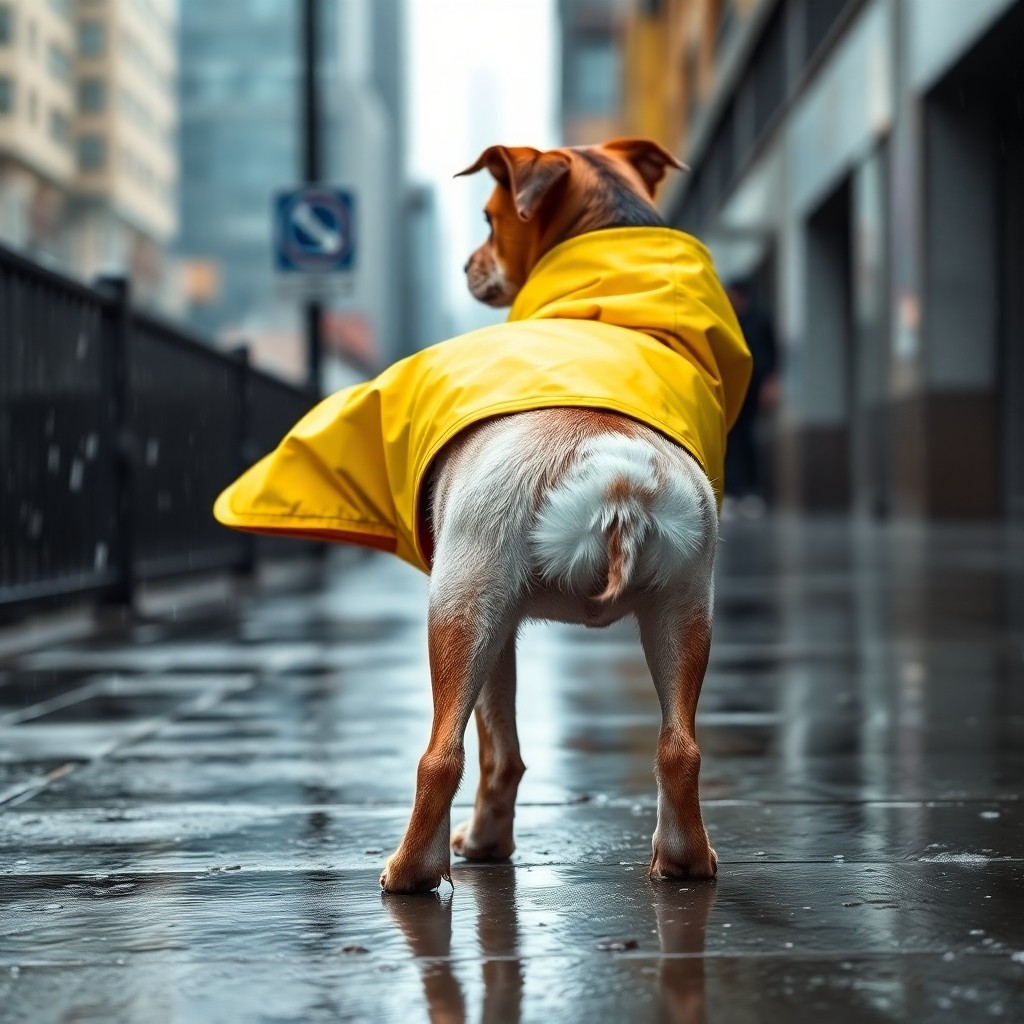
A well-fitted waterproof pet jacket is essential. Look for a coat with high visibility or reflective strips so drivers can see you in dark, low-visibility storm conditions. Avoid coats that restrict movement or have loud, crinkly fabric that might frighten a sensitive dog.
Protect the Paws
Apply a thin layer of pet-safe paw wax before stepping out to create a protective barrier against moisture and chemicals. If your dog tolerates them, waterproof dog booties offer the best protection against softened pads and street grime.
Establish a Post-Walk Drying Routine
The moment you step back inside, wrap your dog in a highly absorbent microfiber towel. Thoroughly dry their underbelly, legs, and paws. Pay special attention to the spaces between their toes, as trapped moisture here can lead to painful yeast issues. Gently dry their outer ears with a clean towel, but never insert anything directly into the ear canal.
Engaging Indoor Alternatives to Burn Energy
When the weather is simply too severe for a walk, you can easily tire your dog out mentally and physically inside the comfort of your home.
Brain games are incredibly effective at burning energy. Try using food puzzle toys, hiding treats around the living room for a scent-tracking game, or practicing basic obedience and trick training. Ten minutes of focused mental stimulation can tire a dog out just as much as a thirty-minute walk, keeping them safe, dry, and relaxed until the storm passes.
Frequently Asked Questions
How long can a dog stay wet after a walk?
You should dry your dog as soon as you return home. Allowing a dog to stay damp for hours, especially under a thick double coat, can lead to painful skin conditions like hot spots, yeast infections, and matting.
Can my dog get sick from drinking rainwater puddles?
Yes. Street puddles often contain toxic lawn chemicals, motor oils, and dangerous pathogens like Leptospirosis. Always carry a portable water bottle and bowl to offer clean water if your dog gets thirsty during the walk.
Do dogs need raincoats?
While not all dogs need them, raincoats are highly beneficial for small breeds, senior dogs, and single-coated dogs who chill easily. A raincoat helps retain body heat and keeps the core dry, making the outing far more comfortable.