

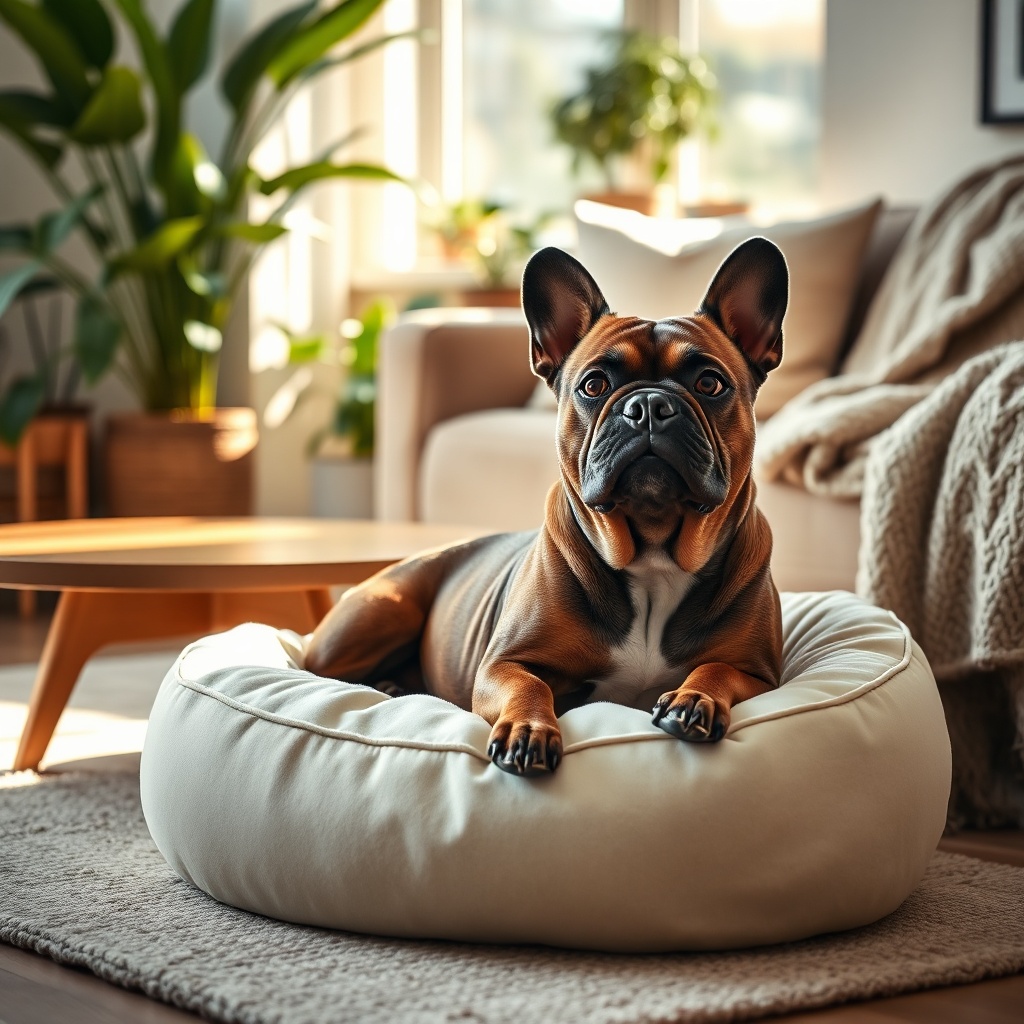
Choosing a dog for an apartment often starts with the assumption that smaller equals easier. In reality, some tiny breeds turn out to be high-energy barkers needing constant stimulation, while a few surprisingly large dogs are content to spend all day on the couch. Finding the right canine companion for a compact space comes down to looking past physical size and focusing instead on temperament, quietness, and daily care needs.
The best low-maintenance dog breeds for small apartments are those with low-to-moderate exercise needs, minimal grooming demands, and a quiet, adaptable temperament. Breeds like the French Bulldog, Cavalier King Charles Spaniel, and Pug excel in small spaces because they prefer lounging over intense physical activity and generally adapt well to close-quarters living.
Decoding ‘Low-Maintenance’ in Small Spaces
Before bringing a dog into a small apartment, it is vital to understand that ‘low-maintenance’ is a relative term. Every dog requires daily feeding, bathroom breaks, mental stimulation, and veterinary care. However, in an apartment setting, certain traits make specific breeds far easier to manage than others:
- Energy Levels: High-energy breeds like Border Collies or Jack Russell Terriers will struggle in small spaces without hours of daily outdoor activity. Low-energy breeds are content with short walks and indoor play.
- Vocalization: Apartment living means sharing walls with neighbors. Dogs prone to excessive barking can quickly become a major issue. Quiet breeds are highly prized in multi-family buildings.
- Size vs. Space: While giant breeds can be couch potatoes, they still take up physical space. A small-to-medium dog is usually easier to navigate around in a cozy floor plan.
- Grooming Demands: Breeds with coat types that do not require daily brushing or professional clipping save owners significant time and expense.
Top Low-Maintenance Breeds for Apartment Living
The following breeds have earned their reputations as excellent companions for apartment dwellers due to their manageable sizes, quiet natures, and moderate care requirements.
1. The French Bulldog
French Bulldogs are widely considered the kings of apartment living. Their compact, muscular frames and charming personalities make them incredibly popular among city dwellers. They are generally quiet dogs who do not bark without a specific reason, keeping neighbor complaints to a minimum.
Pros: Very quiet, affectionate, minimal grooming required, happy with short daily walks.
Cons: Prone to health issues due to their flat faces (brachycephalic syndrome); can struggle in extreme heat or cold.
2. Cavalier King Charles Spaniel
For those seeking a gentle, incredibly affectionate companion, the Cavalier King Charles Spaniel is an outstanding choice. These dogs were bred to be lapdogs, and they take that job seriously. They adapt beautifully to their owner’s lifestyle, whether that means a quiet day on the sofa or a light stroll through the park.
Pros: Highly adaptable, friendly with strangers and other pets, quiet disposition, easy to train.
Cons: Their silky coats require regular brushing to prevent mats; they can suffer from separation anxiety if left alone for long periods.
3. The Pug
Pugs are natural comedians who thrive in small spaces. They have low exercise requirements and are generally content with a couple of short walks a day and some indoor play. Their mischievous, loving nature makes them wonderful companions for solo dwellers and families alike.
Pros: Playful yet lazy, low exercise needs, friendly and social, short coat.
Cons: Pugs are heavy shedders despite their short hair; they are also prone to snoring, snorting, and heat sensitivity.
4. The Greyhound
While it may seem counterintuitive to include a racing dog on this list, Greyhounds are famously known as the ’45-mile-per-hour couch potatoes.’ Once they get a brief chance to run or walk briskly, they spend the rest of the day sleeping. Their calm, quiet, and gentle demeanor makes them surprisingly perfect for apartment life.
Pros: Incredibly quiet, independent, very short coat with minimal grooming, sweet and gentle nature.
Cons: Their larger size requires a spacious dog bed; they have a high prey drive and must always be kept on a leash outdoors.
5. Boston Terrier
Known as the ‘American Gentleman,’ the Boston Terrier is a compact, dapper companion. They are energetic enough to be fun, but they do not require hours of vigorous exercise. Their short, sleek coat is incredibly easy to maintain, and they are generally polite house guests.
Pros: Compact and easy to transport, minimal shedding, highly intelligent and trainable.
Cons: Can have bursts of high energy that require focused indoor play; sensitive to extreme temperatures.
Vital Living Rules for Small-Space Dogs
Even with a low-maintenance breed, success in a small apartment relies on setting up a solid routine. Keeping your dog happy in a cozy space involves a few simple, daily habits:
- Establish a Consistent Routine: Dogs thrive on predictability. Set regular times for morning walks, feeding, and bedtime to help reduce anxiety and prevent accidents.
- Maximize Vertical Space for Storage: Keep dog toys, food, and grooming supplies organized in vertical bins or hanging organizers to keep your living space uncluttered.
- Prioritize Mental Enrichment: When physical space is limited, mental exercise is just as tiring as a long walk. Use puzzle feeders, lick mats, and interactive toys to keep your dog’s brain active.
- Invest in Quality Gear: A high-quality, easily washable dog bed that fits your decor is essential. Look for materials that do not trap odors easily to keep your apartment smelling fresh.
Frequently Asked Questions
Do low-maintenance dogs still need daily walks?
Yes. Every dog, regardless of breed or energy level, requires at least 30 to 45 minutes of daily outdoor exercise. Walks are crucial not only for physical health and bathroom breaks but also for sensory stimulation and mental well-being.
Which small dog breed barks the least?
French Bulldogs, Cavalier King Charles Spaniels, and Basenjis are known for being exceptionally quiet. However, training and socialization play a massive role in preventing nuisance barking in any breed.
Can a larger dog breed really live in a small apartment?
Absolutely. Breeds like Greyhounds, Great Danes, and Mastiffs can adapt surprisingly well to apartment living because of their calm, low-energy indoor temperaments. The primary challenge is ensuring they have a comfortable sleeping area and that you can physically manage them in tight spaces like elevators and hallways.