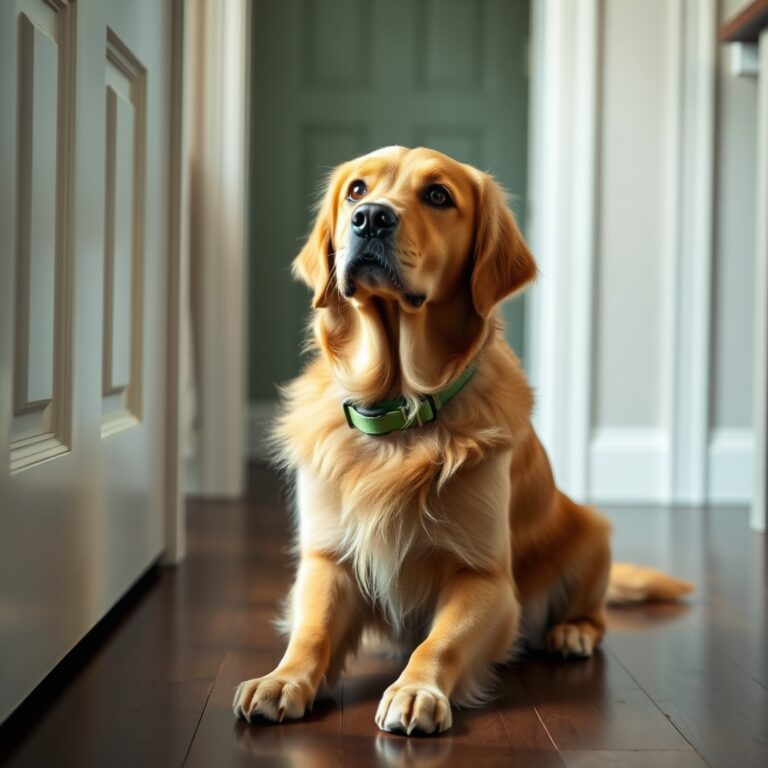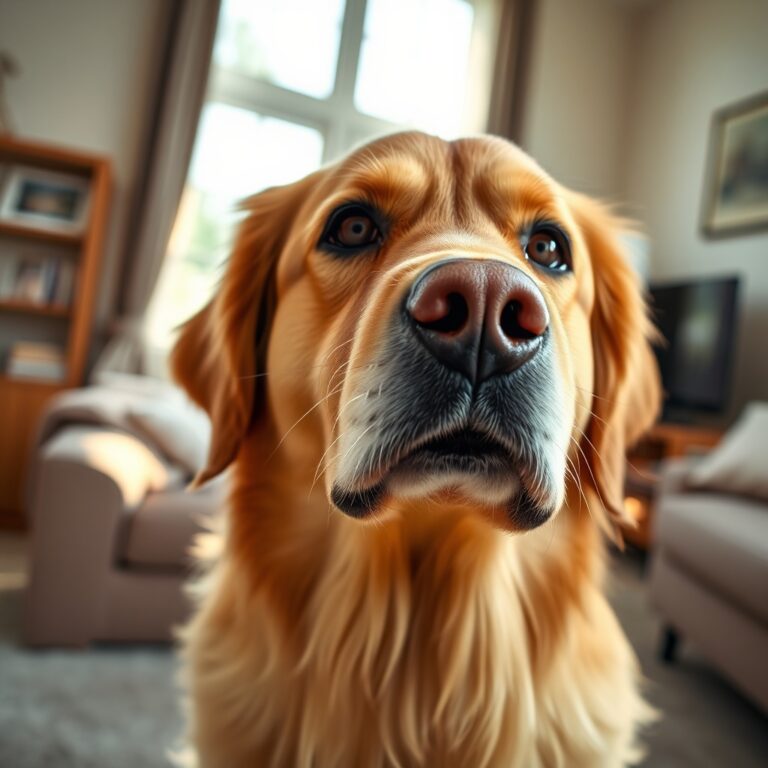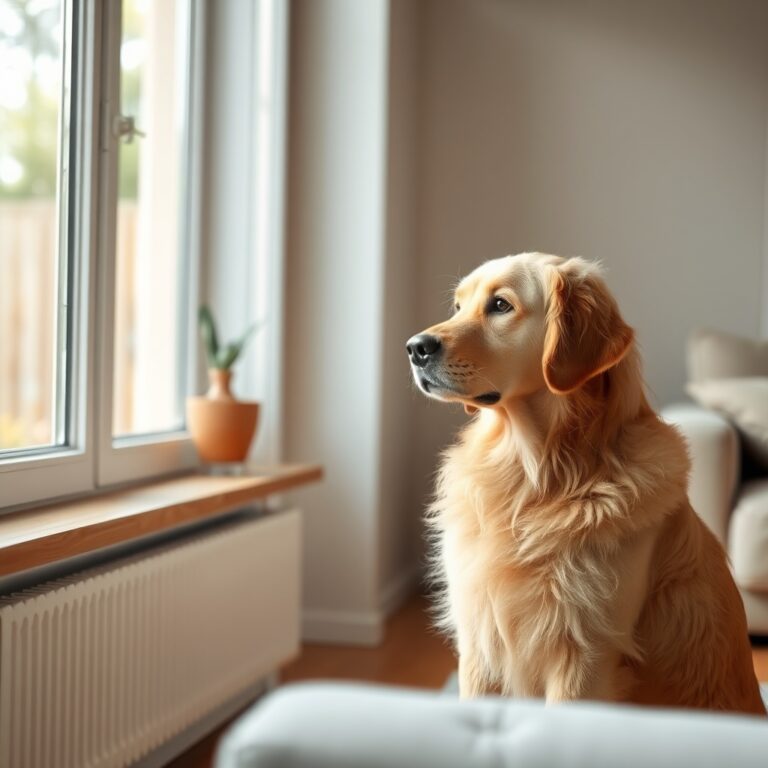

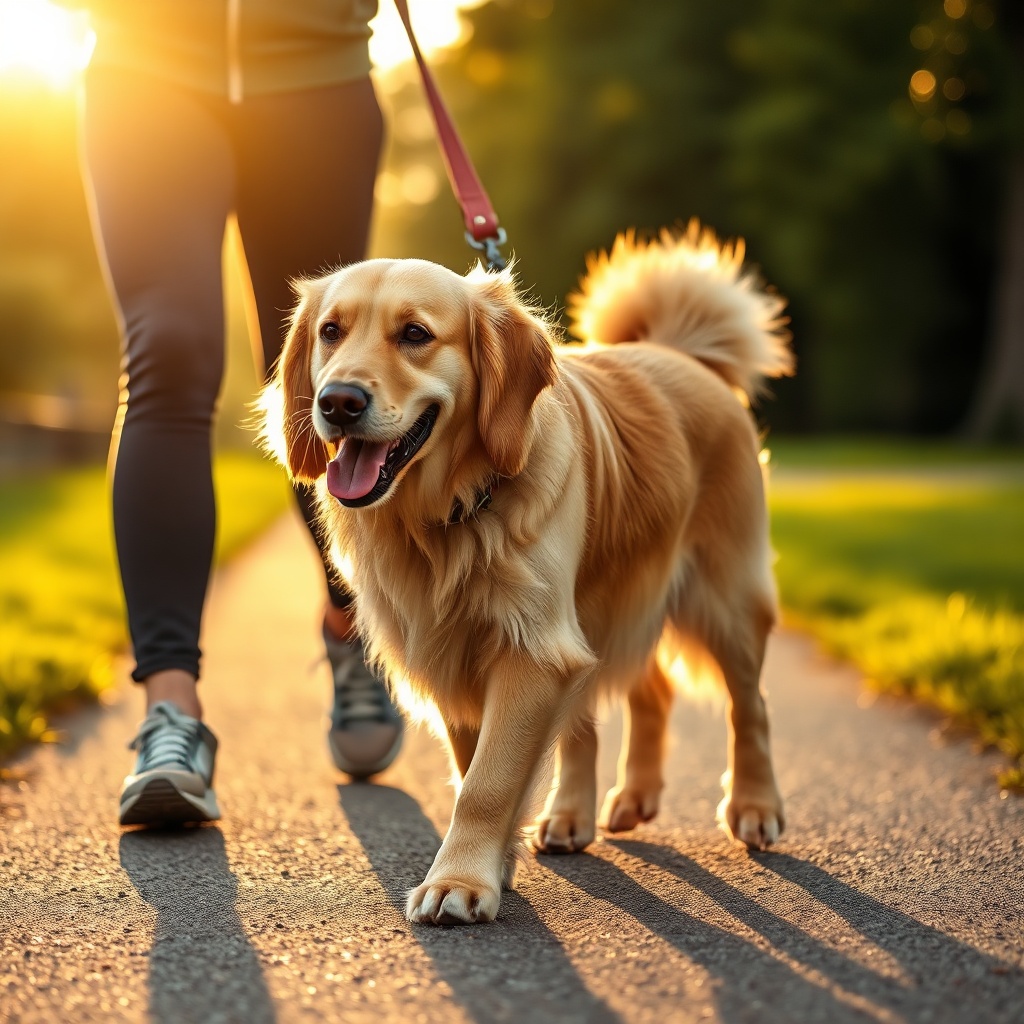
Grabbing the leash is usually the highlight of a dog’s day, but figuring out how many trips around the neighborhood actually keep your canine companion happy and healthy isn’t always straightforward. While a quick dash out to the backyard handles the basics, it rarely satisfies a dog’s deep-rooted need to explore, sniff, and stretch their legs. Finding that sweet spot between tiring them out and respecting their breed’s unique energy levels makes all the difference in their daily routine.
As a general rule, most dogs need to be walked 3 to 4 times a day for at least 15 to 30 minutes per walk. This totals 30 to 120 minutes of active daily exercise, tailored specifically to your dog's age, breed size, and overall health status.
Why Daily Walks Matter Beyond Just Bathroom Breaks
Walking is not just a potty break; it is a vital sensory experience for your dog. When dogs sniff the grass, fire hydrants, and trees, they are reading the 'neighborhood news.' This mental stimulation is just as exhausting and satisfying for their brains as physical running is for their muscles.
Regular walks help prevent obesity, support joint health, improve digestion, and reduce destructive behaviors like chewing, barking, or digging that stem from pent-up energy and boredom.
Key Factors That Determine Your Dog's Walking Schedule
No two dogs are exactly alike, and their exercise requirements change dynamically throughout their lives. To build the ideal routine, you must analyze three main pillars.
1. Age and Life Stage
Puppies have high energy but developing joints. They require short, frequent walks (often 5 to 10 minutes, several times a day) to avoid overexertion. Adult dogs have the stamina for longer, sustained outings. Senior dogs benefit from multiple slow, gentle strolls to keep their joints lubricated without causing pain.
2. Breed and Energy Levels
Working, herding, and sporting breeds require intensive physical outlets. A short walk around the block will not satisfy a Border Collie or a Siberian Husky. Conversely, toy breeds and brachycephalic (flat-faced) dogs like French Bulldogs have lower stamina and can overheat quickly.
3. Physical Health and Mobility
Dogs recovering from surgery, managing arthritis, or dealing with cardiovascular issues require carefully controlled, short walks. Always consult your veterinarian to establish safe thresholds for pets with chronic health challenges.
Recommended Walking Frequency by Breed Group
To simplify your planning, review this quick reference guide outlining typical daily walking requirements by breed category:
| Breed Group | Daily Walk Frequency | Total Daily Duration | Activity Intensity |
|---|---|---|---|
| Toy & Small (e.g., Pomeranian, Pug) | 2 – 3 walks | 30 – 45 minutes | Low to Moderate |
| Brachycephalic (e.g., French Bulldog) | 2 – 3 walks | 20 – 30 minutes | Low (Keep cool) |
| Medium & Sporting (e.g., Labrador) | 3 – 4 walks | 60 – 90 minutes | Moderate to High |
| Working & Herding (e.g., Border Collie) | 3 – 4 walks | 90 – 120+ minutes | High (Incorporate games) |
| Seniors (All Breeds) | 2 – 3 walks | 20 – 45 minutes | Gentle, self-paced |
How to Establish a Perfect Walking Routine
Creating a consistent schedule helps reduce your dog's anxiety, as they thrive on predictability. Use these practical steps to design a sustainable daily routine:
- The Morning Launch: A longer walk (20 to 40 minutes) to start the day. This helps burn off overnight energy before you head to work.
- The Midday Check-in: A quick potty break (10 to 15 minutes) to relieve the bladder and offer a quick leg stretch.
- The Afternoon/Evening Wind-down: A moderate walk (20 to 30 minutes) allowing plenty of sniffing time to help your dog decompress and prepare for a restful night.
- The Final Nightcap: A brief 5-minute trip outside right before bed to ensure a comfortable sleep.
Frequently Asked Questions
Is it okay to walk my dog once a day?
For most healthy adult dogs, a single daily walk is not enough to satisfy their physical, mental, and urinary needs. While some low-energy toy breeds might manage with one walk combined with indoor playtime, most dogs require at least two to three outdoor sessions daily to remain healthy and happy.
Can you walk a dog too much?
Yes, over-walking can lead to joint strain, muscle soreness, torn paw pads, and heat exhaustion. Watch for signs of fatigue such as panting heavily, lagging behind, sitting down during the walk, or limping. If your dog shows these signs, head home and let them rest.
How long after eating should I walk my dog?
It is best to wait at least 30 minutes to an hour after a meal before engaging in moderate or vigorous walking. For deep-chested breeds susceptible to bloat (gastric torsion), wait at least two hours after eating before any strenuous exercise.