
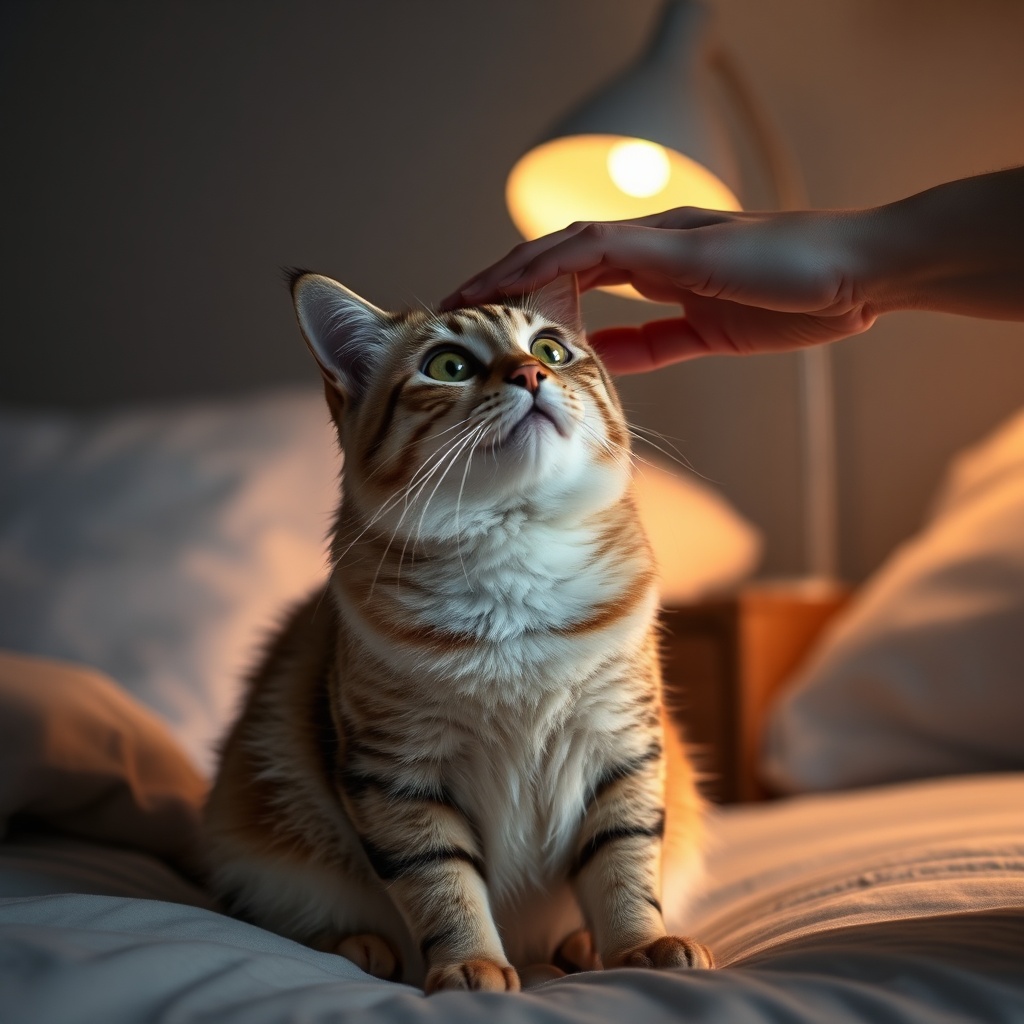
You roll over in bed, check the clock, and hear it again—that persistent, echoing wail from the hallway. Nighttime meowing can test the patience of even the most devoted cat lover, especially when it turns your home into a late-night concert. While nocturnal vocalization is just part of the feline package, figuring out what your cat is actually trying to say is the secret to getting your sleep back.
You should only worry if your cat’s night meowing is sudden, accompanied by signs of physical pain, or occurs in a senior cat. For most cats, night meowing is a harmless habit driven by boredom, hunger, or attention-seeking that can be resolved with structured behavioral changes.
Why Is Your Cat Vocalizing at Night?
To solve the problem, you must first identify the root cause. Cats are naturally crepuscular, meaning their activity peaks during dawn and dusk. However, domestic environments can shift these rhythms, leading to late-night activity. Here are the most common behavioral and physiological reasons behind nocturnal meowing:
- Boredom and Pent-Up Energy: Indoor cats often spend the day sleeping while their owners are at work. By the time you get into bed, they are fully rested and looking for a playmate.
- Attention-Seeking Behavior: If your cat meows and you respond, even by calling out to them to be quiet, they learn that vocalization successfully grabs your attention.
- The Search for Food: If your cat is fed first thing in the morning, they may start vocalizing hours early in anticipation of their breakfast.
- Instinctive Hunting Rhythms: Your cat may see nocturnal pests outside or simply feel the biological urge to patrol and secure their territory.
Medical Triggers You Cannot Ignore
While behavioral issues are common, physical ailments must be ruled out, especially if the meowing started suddenly. If your cat is older or displays other changes in temperament, consider these clinical conditions:
- Feline Cognitive Dysfunction (FCD): Similar to dementia in humans, this affects aging cats. Senior cats may become disoriented in the dark, leading to cries of confusion or fear.
- Hyperthyroidism: An overactive thyroid gland speeds up a cat’s metabolism, causing restlessness, constant hunger, weight loss, and excessive nighttime vocalization.
- Systemic Pain or Arthritis: As temperatures drop at night, joint pain from osteoarthritis can worsen, making it difficult for your cat to settle down comfortably.
- High Blood Pressure (Hypertension): Often linked to kidney disease, hypertension can cause systemic distress and vocalization.
Common Mistakes That Ruin Your Sleep
Correcting this behavior requires consistency. Avoid these common pitfalls that inadvertently encourage your cat’s late-night habits:
- Getting out of bed to check on them: Even walking out to scold your cat teaches them that meowing gets you moving.
- Feeding them to shut them up: This creates a direct association between crying and receiving a delicious reward.
- Inconsistent household rules: If one family member ignores the meowing but another eventually gives in, the cat will continue to vocalize, knowing that persistence eventually pays off.
The Step-by-Step Action Plan to Stop Night Meowing
Transforming your nights requires a proactive approach to your cat’s daily routine. Follow this practical, step-by-step training protocol to reset their internal clock:
- Step 1: Increase daytime stimulation. Use puzzle feeders, window perches, and safe climbing trees to keep your cat active while you are awake. A tired cat is a quiet cat.
- Step 2: Schedule an intense play session before bed. Use a feather wand or laser pointer to simulate a hunt. Mimic the ‘hunt-catch-groom-sleep’ cycle by offering a small meal right after the play session.
- Step 3: Adjust the feeding schedule. Use an automatic feeder programmed to dispense tiny portions of dry food throughout the night. This detaches your presence from the arrival of food.
- Step 4: Create a cozy sleeping sanctuary. Ensure your cat has a warm, comfortable bed. For older cats, consider leaving a low-wattage nightlight on to prevent spatial disorientation.
- Step 5: Practice absolute silence. If you are certain your cat is not sick or hurt, ignore the vocalization completely. Do not speak, do not get up, and do not look at them. Over time, the unrewarded behavior will fade.
When to Consult Your Veterinarian
If you have implemented behavioral strategies for two weeks with zero improvement, or if your cat is over ten years old, schedule a veterinary wellness exam. Your vet can perform routine blood work and blood pressure checks to rule out underlying clinical issues. Addressing medical discomfort is the only way to successfully resolve night meowing caused by physical pain or hormonal imbalances.
Frequently Asked Questions
Is it normal for a new kitten to cry at night?
Yes, kittens often cry during their first few nights in a new home due to separation anxiety. Keep them in a confined, safe room with a warm blanket, a heartbeat toy, and plenty of cozy hiding spots to help them adjust.
Can a nightlight help stop my cat from meowing?
If your cat is older and suffering from cognitive decline, a dim nightlight can significantly reduce disorientation by helping them navigate the room and locate their food, water, and litter box in the dark.