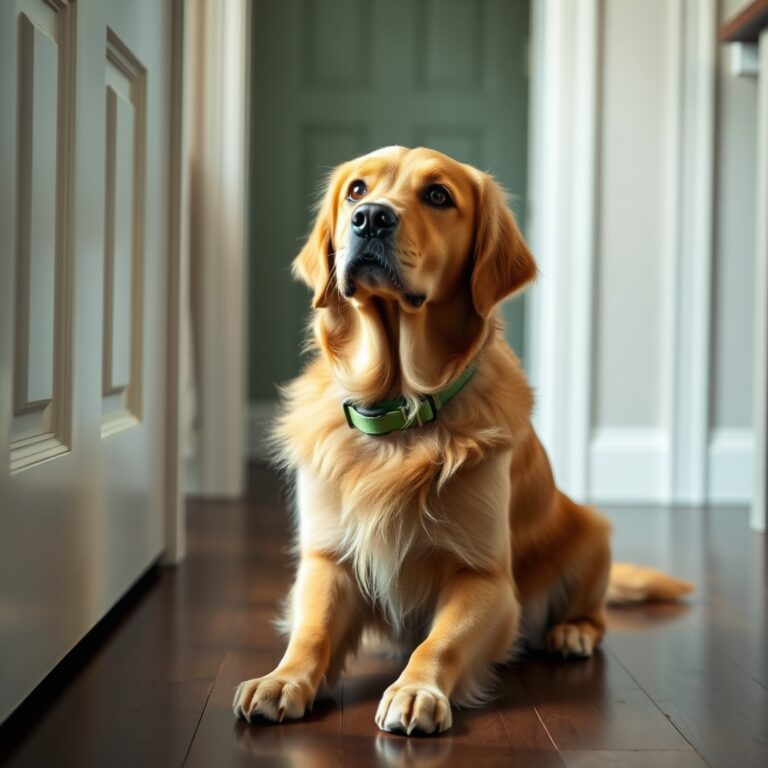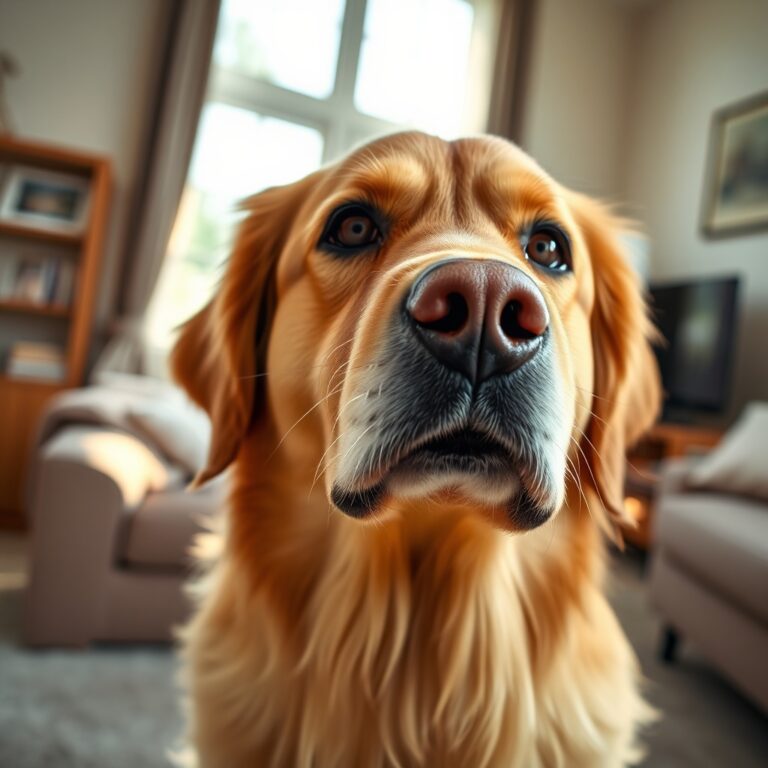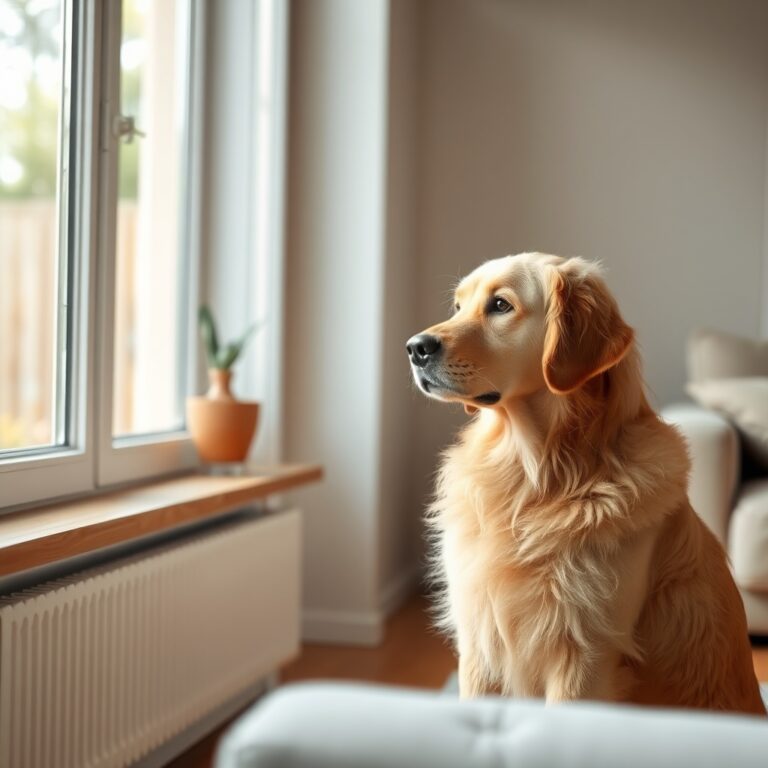

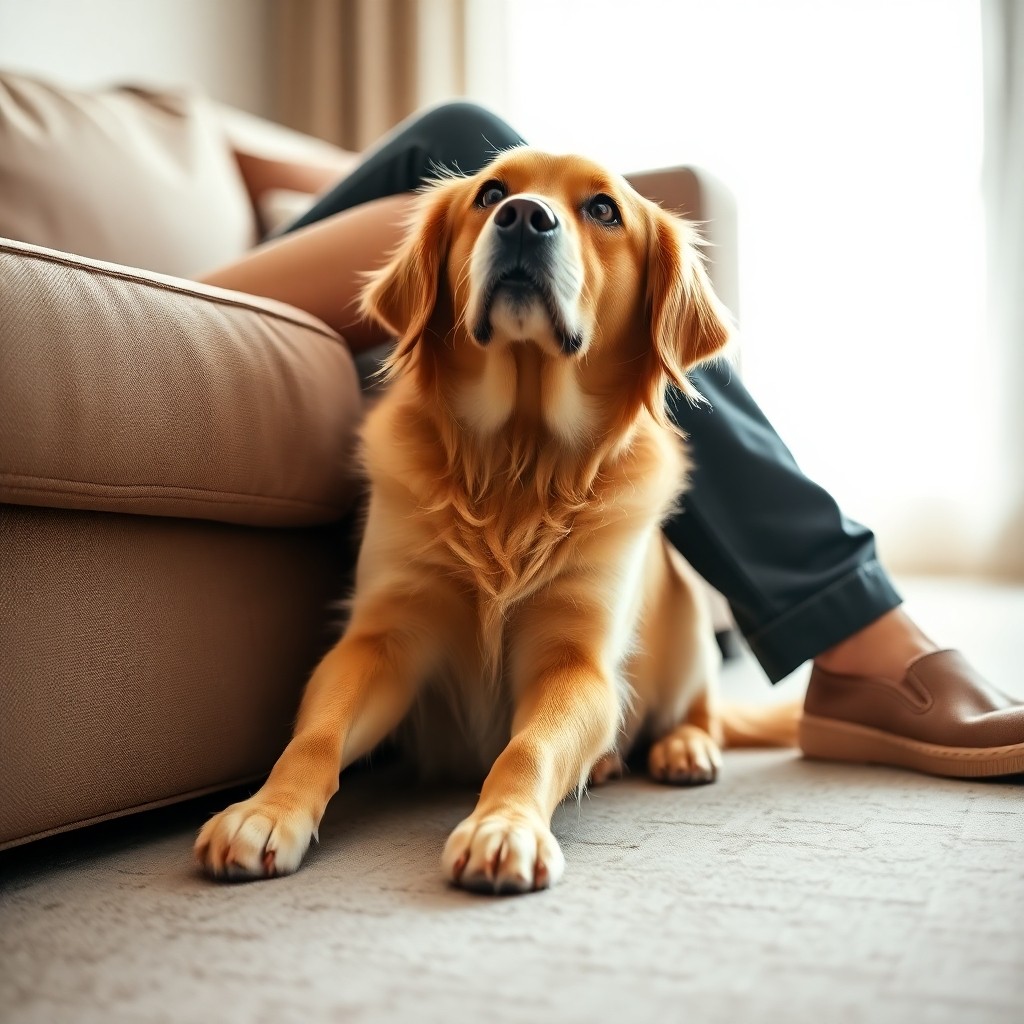
If you can’t walk to the kitchen, the bathroom, or even the couch without a furry shadow trailing your every step, you are definitely not alone. Having a canine companion attached to your hip can feel undeniably flattering, but that constant shadowing isn’t always just about sweet devotion. Sometimes, that velcro behavior is actually a quiet cry for help, signaling underlying stress or physical discomfort that goes far beyond a simple desire for cuddles.
The Short Answer: Should You Worry?
You generally do not need to worry if your dog follows you everywhere, as it is usually a natural behavior driven by bonding, curiosity, or positive reinforcement. However, if this ‘velcro dog’ behavior is accompanied by signs of distress—such as panting, pacing, whining, or destructive habits when you leave—it may indicate underlying separation anxiety or a medical issue that requires attention.
Why Dogs Turn Into Shadows: The Core Reasons
To address this behavior effectively, we must first look at what is driving your dog’s desire to stay glued to your side. Dogs are social pack animals, but their modern environments also shape how they interact with us daily.
1. Positive Reinforcement
Every time your dog follows you into the kitchen, they might get a scrap of food. When they follow you to the couch, they get a pat on the head. Dogs are masters of association. If following you leads to attention, treats, or play, they will continue to do it.
2. Breed Traits and Genetics
Certain breeds are genetically predisposed to work closely alongside humans. Herding breeds (like Border Collies and Australian Shepherds) and working breeds (like Golden Retrievers and German Shepherds) have been bred for generations to pay close attention to their handler’s movements.
3. The ‘Velcro Dog’ Effect
Unlike natural pack behavior, ‘velcro’ behavior is an acquired dependency where a dog feels a constant need to maintain physical proximity. This can sometimes stem from a lack of confidence or a history of rehoming, leaving the dog anxious about losing their primary resource provider.
Healthy Bond vs. Separation Anxiety: The Key Differences
It is vital to distinguish between a healthy companion and a dog experiencing genuine psychological distress. Below is a breakdown to help you identify where your pet falls:
- Healthy Bonding: Your dog follows you happily but can relax in another room, settles down when you sit at your desk, and shows no distress when you prepare to leave the house.
- Separation Anxiety: Your dog follows you with a tense body posture, displays dilated pupils, whines when a door shut between you, and exhibits destructive behaviors, excessive drooling, or howling when left entirely alone.
How to Teach Your Dog to Be Independent
If your dog’s clinginess is driven by insecurity or mild anxiety, you can actively coach them to build confidence and enjoy their own company. Use these practical, step-by-step strategies to encourage independence.
Step 1: Master the ‘Place’ Command
Teach your dog to go to a designated bed or mat and stay there. Start by rewarding them for staying on the mat for just five seconds while you stand close by. Gradually increase the distance and duration until you can walk across the room without them breaking the stay.
Step 2: Desensitize Your Movements
If your dog jumps up every time you shift your weight on the couch, desensitize them to these triggers. Stand up, then sit back down immediately. Walk toward the kitchen, but turn around and sit down before they can follow you. This teaches them that your movement does not always signal an exciting event or a departure.
Step 3: Provide Independent Mental Enrichment
Give your dog tasks that do not involve you. Interactive puzzle toys, snuffle mats, or a safe rubber toy stuffed with frozen peanut butter are excellent tools. Offer these enrichment items in a separate room to build a positive association with being alone.
Common Mistakes to Avoid
When trying to modify this behavior, many well-meaning owners accidentally reinforce the clinginess. Watch out for these common training pitfalls:
- Comforting anxious behavior: Coddling, petting, or using a high-pitched voice when your dog is showing signs of anxious stalking can accidentally reward the state of anxiety. Instead, reward them when they are calm and settled.
- Abruptly forcing isolation: Locking a highly anxious dog in another room suddenly can induce panic. Gradual desensitization is much more effective.
- Lack of physical and mental exercise: A bored dog has the energy to stalk you all day. Ensure they receive adequate daily walks, training, and mental stimulation to help them rest naturally.
When to Seek Professional Help
If your dog displays extreme distress, self-harm, or structural damage to your home when left alone, training alone may not be enough. Consult with a certified veterinary behaviorist or a professional dog trainer who specializes in separation anxiety. In some cases, short-term anxiety medication prescribed by a veterinarian can help lower your dog’s stress threshold enough for training to take effect.
Frequently Asked Questions
Is it normal for a puppy to follow me everywhere?
Yes, this is completely normal. Young puppies look to their owners for safety, security, and guidance in a big, unfamiliar world. As they mature and gain confidence, this behavior typically decreases if properly managed.
Why does my dog follow me to the bathroom?
To your dog, a closed door is a barrier to their favorite resource: you. They may also follow you because they are curious, dislike being left out, or have learned that the bathroom is a place where they have your undivided attention.
Can sudden clinginess indicate a medical issue?
Yes. If your independent dog suddenly turns into a shadow, it can be a sign of physical pain, vision loss, cognitive dysfunction, or an underlying medical condition. Always consult your veterinarian if you notice a sudden, drastic change in behavior.