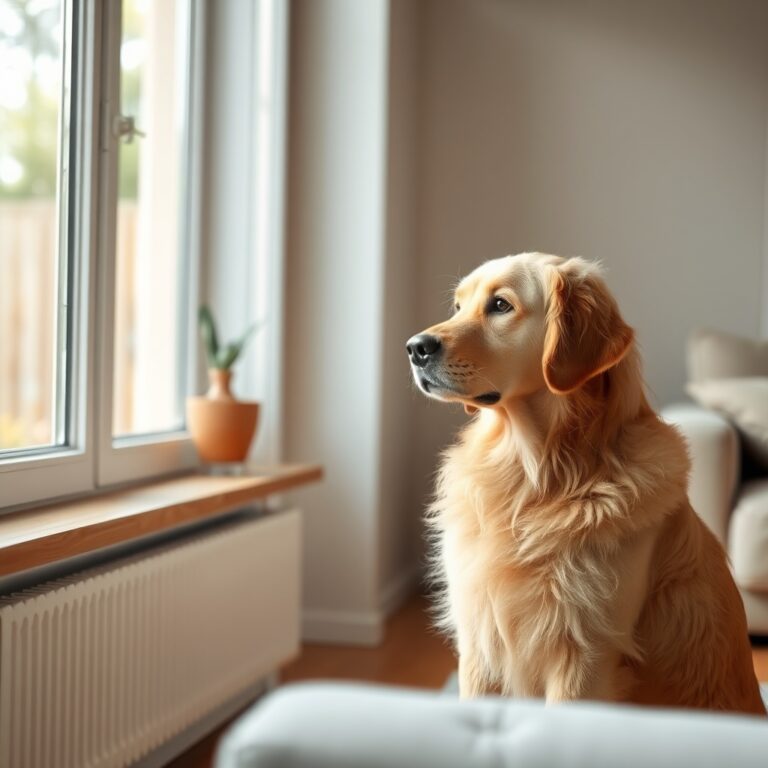


Dogs spend a staggering amount of their lives asleep—often up to fourteen hours a day just for healthy adults. When your usually energetic companion suddenly seems content to lounge from sunrise to sunset, it is easy to wonder if they are just extra cozy or facing a deeper health issue. Knowing the difference between a normal lazy day and true lethargy helps you give your dog the exact care they need.
A healthy adult dog sleeps for an average of 10 to 14 hours per day, while puppies and senior dogs can sleep up to 18 to 20 hours. You should only worry if this sleep is accompanied by sudden behavioral changes, a loss of appetite, or physical signs of pain.
Understanding Canine Sleep Physiology
Dogs possess different sleep patterns than humans. While humans typically experience a single, long sleep cycle, dogs are polyphasic sleepers, meaning they sleep in multiple short bursts throughout the day and night. Furthermore, dogs spend only about 10% of their sleep in the Rapid Eye Movement (REM) stage, compared to 25% in humans.
The Layman’s Translation: For owners, this means that because dogs experience less high-quality, deep restorative REM sleep per cycle, they must sleep significantly longer overall to achieve the same level of mental and physical recovery.
Sleep Guidelines by Age, Size, and Breed
Sleep requirements fluctuate dramatically depending on the dog’s life stage and physical attributes. The American Animal Hospital Association (AAHA) emphasizes that establishing a baseline for an individual dog is crucial for recognizing health deviations early.
| Dog Category | Average Daily Sleep Duration | Primary Physiological Focus |
|---|---|---|
| Puppies (under 1 year) | 18 – 20 hours | Rapid cellular growth, neural development, and immune system maturation. |
| Adult Dogs | 10 – 14 hours | Energy conservation and physical tissue repair. |
| Senior Dogs (varies by breed) | 16 – 18 hours | Joint recovery, cognitive rest, and metabolic management. |
| Large & Giant Breeds | 14 – 18 hours | Support for high muscle mass and metabolic conservation. |
Identifying Lethargy vs. Healthy Rest
It is vital to distinguish between a tired dog that is simply resting and a clinically lethargic dog. Healthy sleep is active recovery. A healthy sleeping dog will wake up easily at the sound of a food bowl, a knock at the door, or the mention of a walk, showing normal enthusiasm once awake.
Lethargy, however, is a clinical state characterized by drowsiness, sluggishness, and an abnormal lack of response to external stimuli. If a dog is awake but shows no interest in playing, refuses food, or struggles to get up, this is a symptom of an underlying medical issue rather than healthy sleep.
Common Medical Causes of Excessive Sleep
When a dog’s sleep transitions into genuine lethargy, several physiological conditions may be responsible. It is critical to monitor for concurrent symptoms to help a veterinarian pinpoint the cause.
1. Systemic Infections
Infectious diseases such as parvovirus, distemper, kennel cough, and leptospirosis place an immense load on the immune system, forcing the body to redirect all energy toward fighting the pathogen. Tick-borne illnesses, such as Lyme disease, also cause severe joint pain and extreme fatigue.
2. Endocrine Disorders
Hypothyroidism, a condition common in middle-aged and older dogs, occurs when the thyroid gland underproduces vital metabolic hormones. This slows down the body’s entire metabolic rate, leading to weight gain, hair loss, and chronic, heavy sleep. Diabetes mellitus can also cause extreme weakness due to the body’s inability to utilize glucose for energy.
3. Osteoarthritis and Chronic Pain
According to the World Small Animal Veterinary Association (WSAVA) pain management guidelines, chronic pain is a primary driver of behavioral changes in senior dogs. Dogs suffering from joint pain or spinal issues often sleep more because moving is physically painful.
4. Organ Dysfunction
Gradual decline in liver or kidney function allows toxins to build up in the bloodstream. This toxicity makes dogs feel nauseous, weak, and chronically tired. Heart disease also reduces the heart’s efficiency in pumping oxygenated blood, causing rapid fatigue from even minimal exertion.
Actionable Steps for Concerned Owners
If a dog’s sleep habits have changed, taking structured, analytical observations can assist a veterinary professional in making an accurate diagnosis.
- Log the Sleep Patterns: Track the exact hours the dog spends sleeping over a 72-hour period. Note what triggers wakefulness.
- Monitor Dietary Intake: Measure food and water consumption precisely. A drop in appetite alongside increased sleep is a strong indicator of sickness.
- Check the Gums: Healthy canine gums should be a bubblegum-pink color. Pale, white, blue, or yellow gums indicate a medical emergency.
- Assess Environmental Factors: Extreme heat, sudden routine changes, or moving to a new home can temporarily increase a dog’s need for mental and physical rest.
When to Escalate: Critical Red Flags
While some extra sleep after a long day of hiking is normal, certain signs demand immediate professional intervention. Contact a veterinary clinic immediately if the excessive sleep is accompanied by vomiting, diarrhea, difficulty breathing, a sudden refusal to drink water for more than 24 hours, or complete unresponsiveness to touch and sound.
References
- American Animal Hospital Association (AAHA) Lifestyle and Life Stage Guidelines.
- World Small Animal Veterinary Association (WSAVA) Global Pain Council Guidelines.