

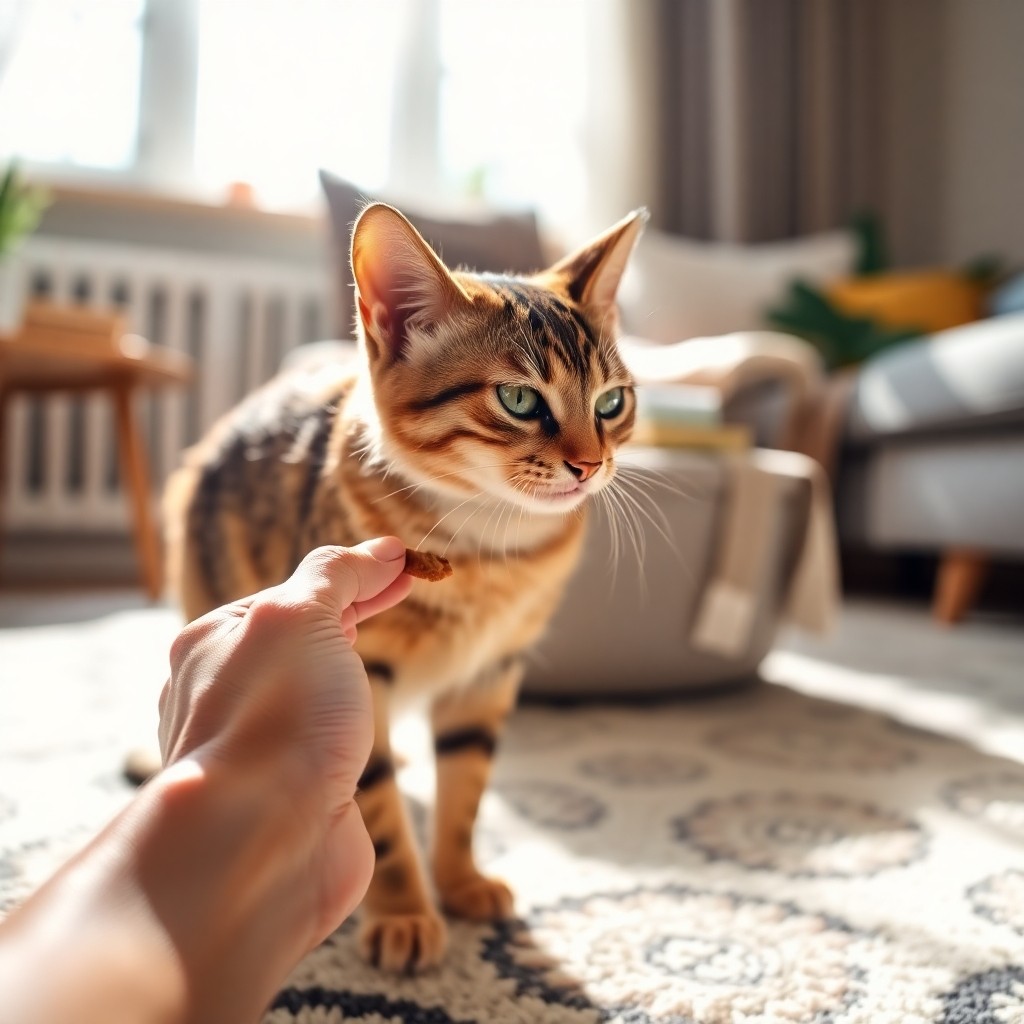
When a normally gentle cat suddenly starts hissing, scratching, or biting, it is rarely just a bad attitude. That abrupt shift from purring pet to defensive fighter is usually an urgent distress signal, pointing to something deeply wrong in their physical body or immediate environment.
Sudden feline aggression is almost always triggered by acute physical pain, hidden medical conditions such as arthritis or dental disease, fear-inducing environmental changes, or redirected frustration from an outdoor stimulus. Recognizing these subtle warning signs early is crucial to restoring peace in your home and protecting your family from injury.
The Medical Root: Pain and Hidden Illness
In veterinary medicine, sudden behavior changes are considered a medical emergency until proven otherwise. Cats are evolutionary masters at hiding discomfort to avoid looking vulnerable to predators. When pain becomes too intense to mask, they often lash out defensively.
Several common veterinary conditions can cause a cat to suddenly show aggressive behaviors:
- Osteoarthritis and Joint Pain: Highly common in aging cats. A gentle pet along the back or hips can trigger an immediate bite or swipe if it presses on a painful joint.
- Dental Disease: Abscessed teeth or severe gingivitis can cause throbbing pain, making your cat highly irritable, especially around their face and mouth.
- Hyperthyroidism: An overactive thyroid gland floods a cat’s system with hormones, leading to extreme irritability, hyperactivity, and unpredictable mood swings.
- Urinary Tract Infections (UTIs): The constant, burning discomfort of a UTI can make a cat feel highly vulnerable, causing them to lash out at anyone who approaches while they are resting.
Behavioral and Environmental Triggers
If your veterinarian rules out underlying medical causes, the next step is to analyze your cat’s emotional state and physical surroundings. Cats thrive on predictability, and even minor disruptions to their routine can trigger high-stress responses.
Redirected Aggression
This is one of the most common behavioral causes of sudden attacks. It occurs when a cat is highly aroused or frightened by an inaccessible stimulus—such as seeing an outdoor stray cat through the window or hearing a loud, terrifying noise. Because they cannot confront the actual source of their stress, they redirect their fight-or-flight energy onto the nearest target, which is often an unsuspecting owner or another household pet.
Fear and Environmental Changes
A move to a new home, the introduction of a new pet or baby, or even noisy home renovations can push a cat past their stress threshold. When a cat feels cornered with no clear escape route, their natural instinct is to defend themselves aggressively.
Overstimulation and Petting Aggression
Many cats have a strict threshold for physical contact. While they may actively seek out affection, a sudden overload of sensory input can cause them to abruptly bite or scratch the hand petting them. Paying close attention to subtle warning signs—such as a twitching tail, flattened ears, or tensed muscles—can help you stop petting before they reach this breaking point.
Your Immediate Action Plan: What to Do Today
Managing sudden aggression requires immediate intervention to ensure everyone’s safety while you work to identify the root cause. Follow these practical steps to de-escalate the tension in your home:
- Step 1: Create a Safe Zone. Isolate your cat in a quiet, dark room equipped with a litter box, fresh water, food, and comfortable hiding spots. This allows their cortisol levels to drop naturally without further stimulation.
- Step 2: Do Not Punish the Cat. Yelling, spraying water, or physically punishing an aggressive cat will only increase their fear and escalate the aggression. Remain completely calm and silent.
- Step 3: Schedule a Veterinary Examination. Contact your vet immediately for a comprehensive exam, including bloodwork and a pain assessment, to rule out silent physical issues.
- Step 4: Keep a Trigger Journal. Document exactly what happened right before the aggressive episode. Note the time of day, location, who was present, and your cat’s body language to help identify patterns.
Common Mistakes to Avoid
Avoiding these common pitfalls will prevent the behavior from becoming a deeply ingrained habit:
- Do not try to comfort an angry cat: Reaching out to soothe or pet a highly agitated cat will almost always result in an accidental bite or scratch. Give them space.
- Do not block their exit paths: A trapped cat is a dangerous cat. Always ensure your cat has a clear path to escape to a hiding spot if they feel overwhelmed.
- Do not introduce new pets during a crisis: If your cat is already highly stressed, introducing a new animal will only worsen their anxiety and increase the likelihood of territorial fights.
Frequently Asked Questions
How can I tell if my cat’s aggression is medical or behavioral?
Medical aggression usually appears completely out of nowhere and may be accompanied by physical signs like limping, vocalizing during urination, changes in appetite, or sensitivity when touched in specific areas. Behavioral aggression is typically linked to a specific trigger, such as a loud noise, a new pet, or prolonged petting.
Is sudden aggression in older cats normal?
No, sudden aggression in senior cats is not normal and is highly indicative of underlying age-related pain, such as arthritis, or metabolic conditions like hyperthyroidism or cognitive dysfunction. A veterinary checkup is essential for aging cats showing sudden mood changes.
How long does it take for a cat to calm down after a redirected aggression episode?
It can take anywhere from a few hours to several days for a cat’s adrenaline and cortisol levels to fully return to baseline after a severe scare. Keep your cat isolated in a quiet room with minimal human interaction until they display relaxed body language, such as soft eyes and a relaxed posture.