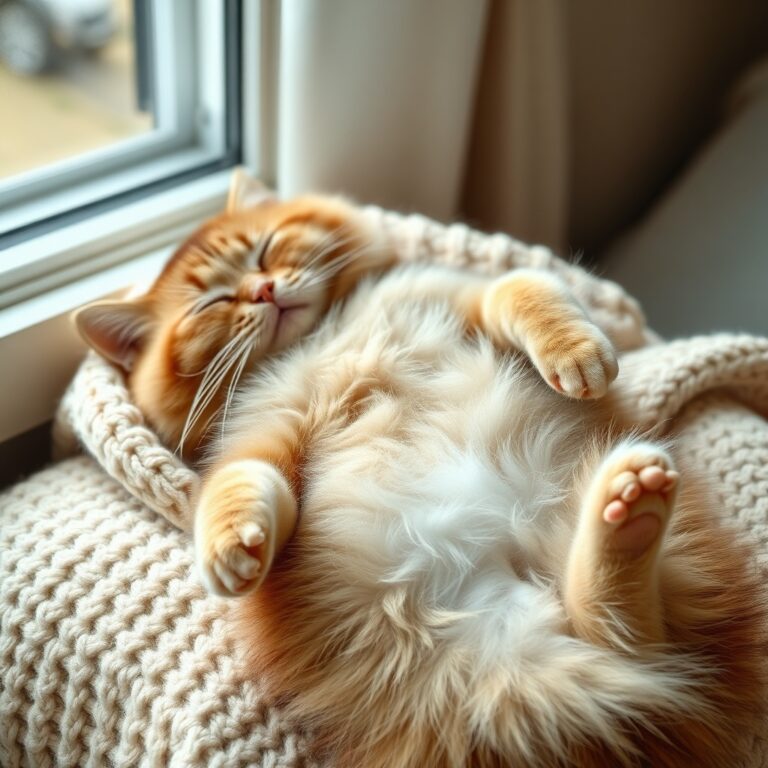

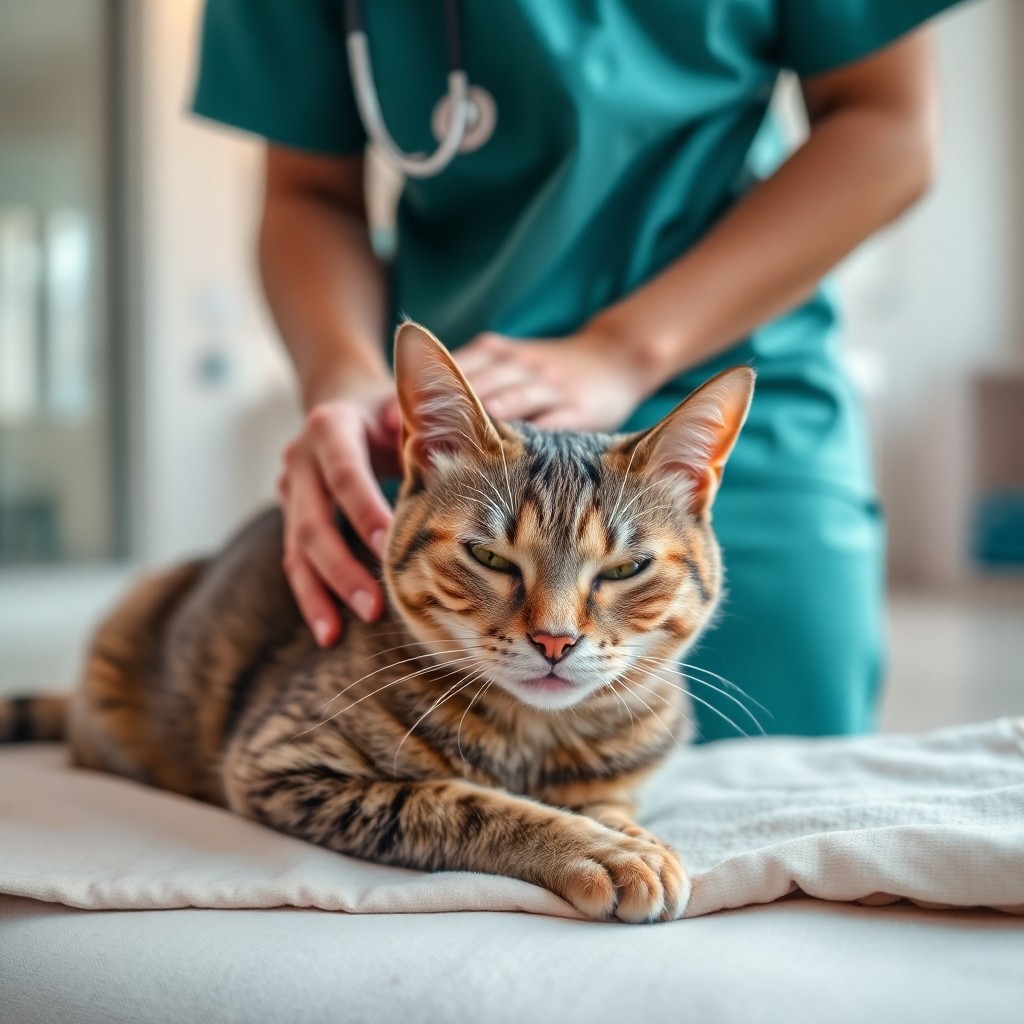
Cats are professional sleepers, often logging up to sixteen hours a day in the sunbeams and on the back of the sofa. But when your usually agile hunter starts skipping mealtime and barely lifts a head at the sound of a treat bag, that familiar feline rhythm suddenly feels off.
A sudden increase in your cat’s sleep patterns is often a primary indicator of pain, underlying systemic illness, or age-related energy shifts. While cats naturally sleep between 12 and 16 hours a day, sudden lethargy combined with behavioral changes requires careful monitoring and potential veterinary evaluation.
Normal Feline Sleep Cycles vs. Sudden Lethargy
Cats are natural crepuscular predators, meaning they are most active during the dawn and dusk hours. This evolutionary trait requires them to conserve energy through long stretches of sleep throughout the day and night. However, when a cat’s sleep baseline shifts abruptly, owners must differentiate between deep, restorative rest and clinical lethargy.
Normal sleep involves a mix of light dozing—where the ears twitch and respond to ambient sounds—and deep REM sleep. Lethargy, on the other hand, is characterized by a lack of mental alertness, reluctance to rise for food or social interaction, and a general dullness in the eyes when awake.
| Age Group | Typical Daily Sleep Range | Warning Signs of Abnormal Sleep |
|---|---|---|
| Kittens (Under 1 Year) | 18 to 20 hours | Inability to wake easily for play, poor weight gain, weak vocalization |
| Adult Cats (1 to 10 Years) | 12 to 16 hours | Sudden increase past 18 hours, reluctance to jump, withdrawal from family |
| Senior Cats (11+ Years) | 16 to 18 hours | Sleeping near the litter box, cognitive disorientation, rigid joints upon waking |
Primary Medical Causes for Sudden Sleep Increases
When a feline companion starts sleeping significantly more than their established baseline, several medical conditions must be evaluated by a veterinary professional.
1. Osteoarthritis and Joint Pain
Degenerative joint disease is incredibly common in aging feline populations (AAFP). Painful joints make movement exhausting, leading cats to choose sleep over physical activity. For owners, this means your cat is not simply growing lazy as they age; rather, they are using sleep as a coping mechanism to avoid the physical discomfort associated with jumping, climbing, or even walking across hard floors.
2. Systemic Infections and Immune Activation
An active bacterial or viral infection will cause a cat’s immune system to release cytokines, which directly signal the brain to induce deep, prolonged sleep to facilitate healing. Common culprits include bite wound abscesses, urinary tract infections, and chronic viral conditions such as Feline Leukemia Virus (FeLV) or Feline Immunodeficiency Virus (FIV). For owners, this means a sleeping cat with a warm nose or ears may be running a fever in response to an active pathogen.
3. Anemia and Reduced Oxygen Transport
Anemia, which is a deficiency in red blood cells, severely limits the amount of oxygen carried to vital organs and muscles. For owners, this means the body lacks the vital oxygen-carrying capacity to maintain normal energy levels, forcing the cat into a state of constant energy conservation and sleep. You can check for this by gently lifting your cat’s lip; pale pink or white gums are a clear indicator of potential anemia.
4. Metabolic and Organ Dysfunction
Chronic Kidney Disease (CKD) and liver dysfunction lead to a buildup of metabolic toxins in the bloodstream, a state known as uremia. This buildup causes nausea, headaches, and profound systemic fatigue, causing the cat to sleep heavily to escape the discomfort (AAHA). Additionally, endocrine disorders such as diabetes mellitus can disrupt energy absorption, causing profound weakness.
Environmental and Behavioral Triggers
Not all causes of increased sleep are strictly pathological. Cats are highly sensitive to their environments, and emotional distress can manifest physically as increased sleep.
- Environmental Stress: Major household changes—such as moving to a new home, introducing a new pet, or welcoming a new family member—can overwhelm a cat. When stressed, many cats default to sleep as a psychological defense mechanism to avoid perceived threats.
- Boredom and Understimulation: Without adequate environmental enrichment, cats will sleep simply because there is nothing else to occupy their minds. Introducing puzzle feeders, scratching posts, and daily structured play can quickly reverse this behavioral sleep pattern.
When to Seek Immediate Veterinary Care
While a sleepy cat is not always an emergency, certain concurrent clinical signs dictate a prompt visit to the veterinary clinic. Do not adopt a wait-and-see approach if you observe any of the following symptoms alongside increased sleep:
- Complete loss of appetite lasting more than 24 hours
- Vomiting, diarrhea, or straining in the litter box
- Labored breathing, rapid respiration while resting, or open-mouth breathing
- Persistent hiding in unusual, dark locations
- Uncharacteristic aggression or vocalization when touched
Frequently Asked Questions
Can weather changes make my cat sleep more?
Yes, cats are sensitive to atmospheric pressure and temperature drops. Rainy, cold, or dark days often prompt cats to sleep longer to conserve body heat, mirroring their wild ancestors’ instinctual behaviors during inclement weather.
Is it normal for a cat to sleep all day if they are active at night?
If your cat has always been active at night and sleeps during the day, this is normal behavior. However, if this cycle suddenly shifts without a change in household routine, it warrants closer observation.
References
- American Association of Feline Practitioners (AAFP) Feline Behavior Guidelines
- American Animal Hospital Association (AAHA) Senior Care Guidelines for Dogs and Cats