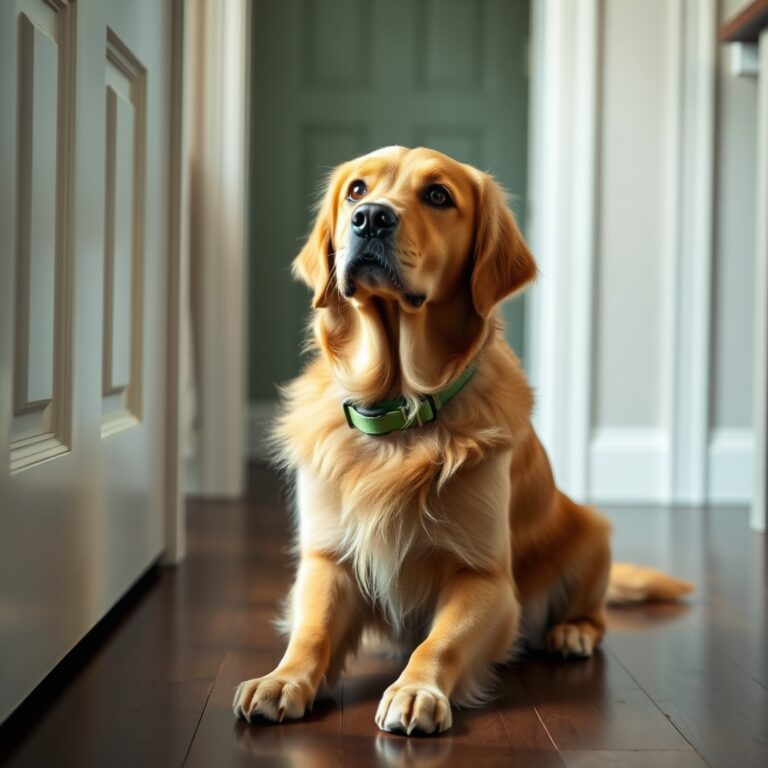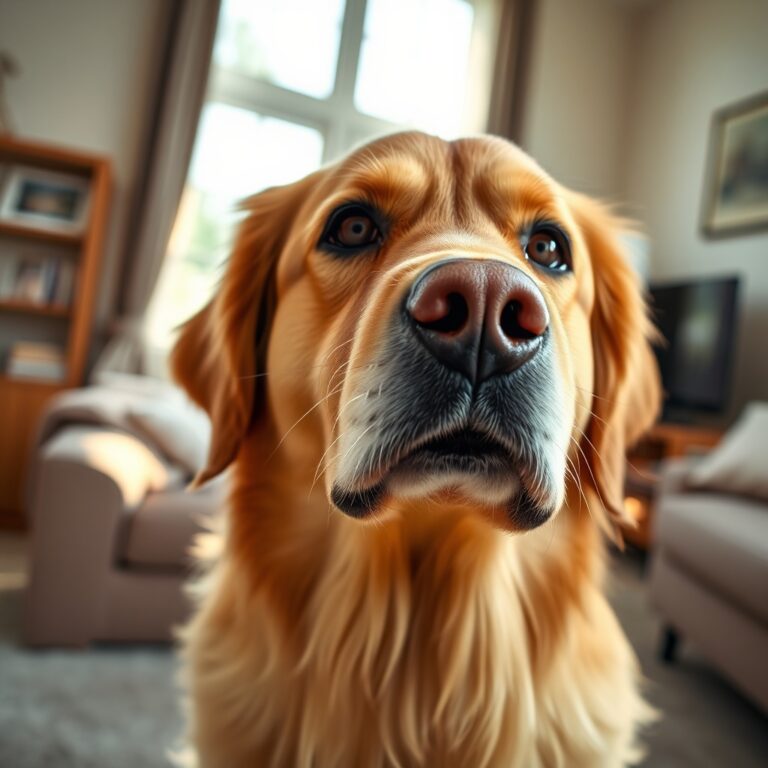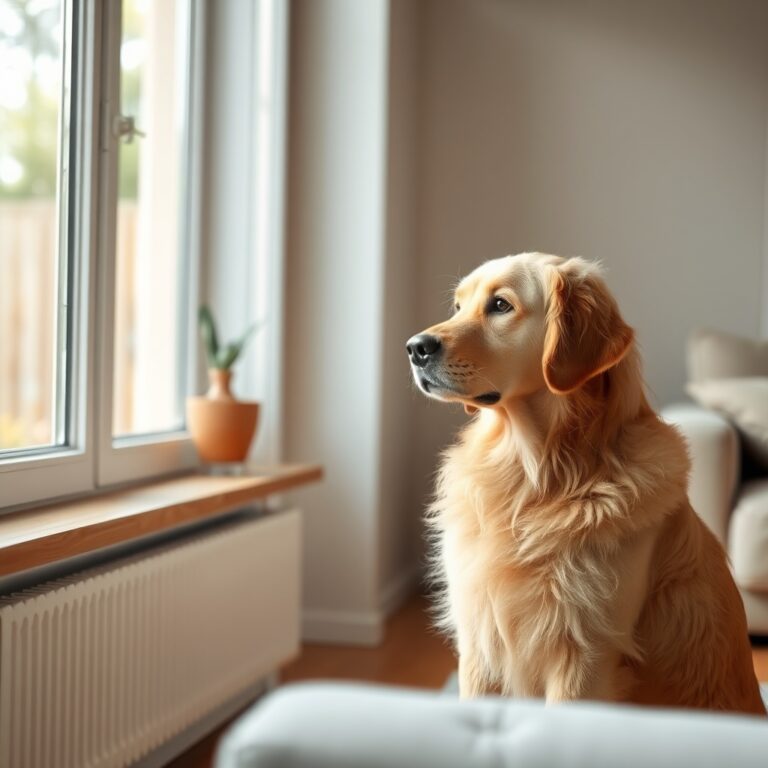

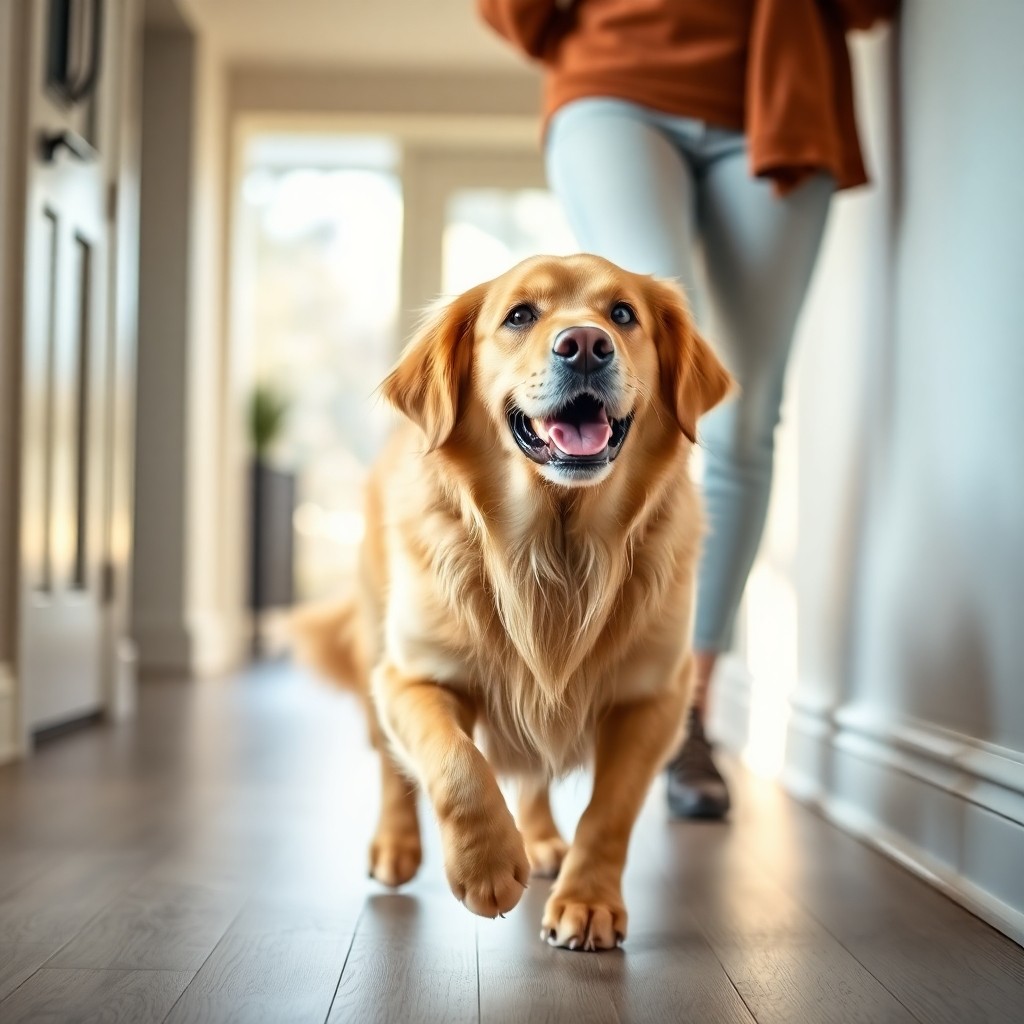
If your shadow lately happens to have four legs and a wet nose, you are definitely not alone. When a dog suddenly starts following you into the kitchen, waiting outside the bathroom door, and pressing against your heels with every step, it feels sweet—at least for the first few days. But a dramatic shift in your dog’s daily routine is rarely just about extra affection. Usually, it is a quiet signal that something in their environment, their stress levels, or even their physical health has shifted.
Your dog is suddenly following you everywhere because of an abrupt change in their emotional or physical state, typically triggered by stress, environmental changes, underlying medical discomfort, or age-related cognitive decline. This abrupt shift in behavior is often an instinctual search for safety, reassurance, or resource accessibility.
Decoding the ‘Velcro’ Dog: Why the Sudden Shift?
Dogs are naturally pack-oriented animals, but when a highly independent pup suddenly transforms into an inseparable shadow, it is a clear indicator that something in their world has shifted. Unlike gradual bonding, a sudden onset of velcro behavior is a functional response to an internal or external stimulus. Your dog is trying to communicate a need that they cannot express in words.
Top 5 Reasons Your Dog Is Clinging to Your Side
- 1. Hidden Stress or Anxiety: Loud noises, construction outside, a change in your work schedule, or even a new piece of furniture can disrupt your dog’s sense of security. Following you is a self-soothing mechanism to find safety in your presence.
- 2. Physical Discomfort or Pain: When dogs feel unwell, injured, or nauseous, they often seek out their primary caregiver for comfort and protection. If this behavior is accompanied by panting, slow movements, or lethargy, a medical issue could be the cause.
- 3. Age-Related Cognitive Decline: In senior dogs, sudden clinging behavior can be an early sign of Canine Cognitive Dysfunction (CCD), similar to dementia in humans. Disorientation and memory lapse can make your senior dog feel lost, prompting them to keep you in their direct line of sight.
- 4. Accidental Reinforcement: It is easy to accidentally reward this behavior. A quick pat on the head, a dropped piece of food, or a sweet phrase whenever your dog follows you into the kitchen teaches them that shadowing you leads to high-value rewards.
- 5. Instinctual Resource Guarding: Your dog views you as the provider of all good things—food, walks, play, and security. If they sense a change in the household or feel a resource might become scarce, they may follow you to ensure they do not miss out on anything.
Is It Love or Anxiety? Spotting the Key Differences
Distinguishing between healthy companionship and stress-induced clinging is crucial for your dog’s long-term well-being. A dog following you out of healthy affection will remain relaxed. They will lie down at a comfortable distance, maintain soft eye contact, and display a loose, wagging tail.
Conversely, a dog shadowing you due to anxiety will exhibit physical tension. Look for warning signs such as dilated pupils, panting when it is not hot, pacing, whining, and an inability to settle down even when you sit still. If your dog panics the moment a door closed between you, anxiety is the likely culprit.
How to Teach Your Dog Independence: A Step-by-Step Action Plan
To help your dog regain their confidence and reduce their dependency on your constant presence, implement this practical behavioral strategy:
- Step 1: Normalize Your Movement. Walk around your house without interacting with your dog. Stand up, walk to the kitchen, and return without looking at or speaking to them. This desensitizes them to your movement, making your departure from a room boring.
- Step 2: Establish ‘Go to Bed’ Boundaries. Teach your dog a reliable ‘place’ command. Reward them with high-value treats only when they stay on their bed or mat while you step a few paces away. Gradually increase the distance and duration.
- Step 3: Provide Interactive Solitary Toys. Encourage independent play by giving your dog food-stuffed puzzle toys or long-lasting chews. Offer these rewards exclusively when they are resting away from you, linking distance from you with positive experiences.
- Step 4: Build Desensitization to Departure Cues. Pick up your keys, put on your coat, or open the front door without actually leaving. Repeat this multiple times a day to break the association between these cues and your departure.
Common Mistakes Owners Make with Clinging Dogs
- Shouting or Punishing: Expressing frustration or scolding your dog for shadowing you will only increase their anxiety, making them cling to you even tighter for reassurance.
- Showering Them with Attention When They Whine: Rushing to comfort your dog the exact second they cry or block your path reinforces the idea that anxious behavior gets rewarded.
- Allowing Constant Access: Failing to use baby gates or closed doors occasionally prevents your dog from learning that being alone for brief periods is completely safe.
Frequently Asked Questions
Should I ignore my dog when they follow me?
You should not completely ignore your dog, but you should avoid rewarding the clinging behavior with direct eye contact, talking, or petting. Wait until your dog settles down or takes a step away from you before offering praise and affection.
Does this mean my dog has separation anxiety?
Not necessarily. While constant shadowing can be a precursor to separation anxiety, it is often just a temporary response to a minor stressor, boredom, or learned behavior. True separation anxiety involves destructive behavior, howling, or self-harm when you are entirely out of the house.
When should I consult a veterinarian?
You should schedule a veterinary visit immediately if the clinging behavior starts overnight and is accompanied by physical symptoms like shaking, panting, loss of appetite, lethargy, or if your dog is a senior showing signs of confusion and disorientation.