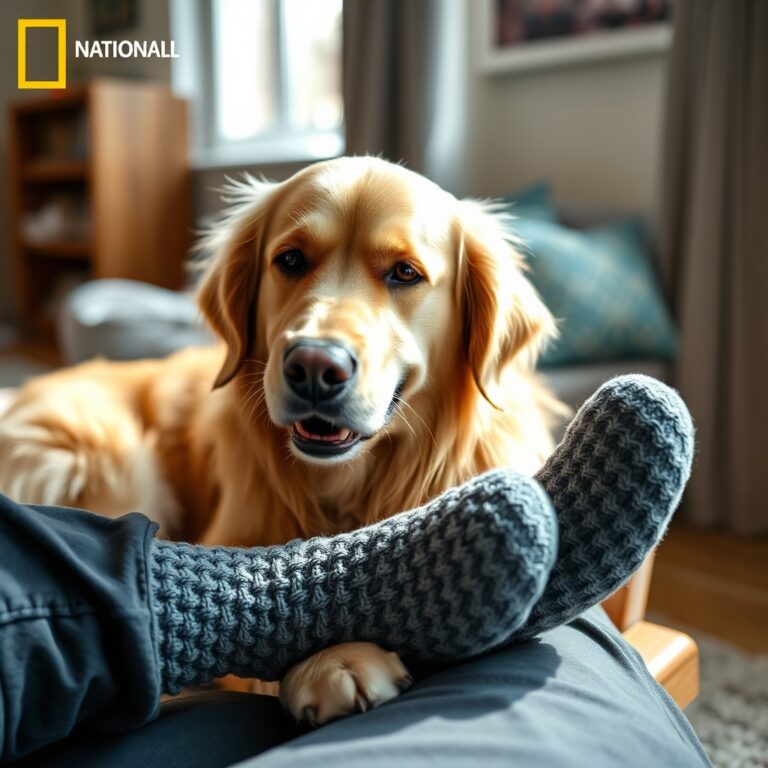

When your normally independent dog suddenly turns into a shadow, following you from room to room and refusing to leave your side, it’s a clear signal that something in their world has shifted. How you react in those first few moments matters tremendously, as rushing to coddle them or unintentionally punishing the behavior can easily escalate their distress.
A dog suddenly becomes clingy due to environmental stress, physical illness, separation anxiety, developmental changes, or age-related cognitive decline. This abrupt behavioral shift is a coping mechanism aimed at seeking security, reassurance, or relief from physical discomfort.
Understanding the Triggers Behind Sudden Velcro Behavior
Before implementing any behavioral corrections, it is vital to understand the root cause of this sudden need for constant physical closeness. Dogs rely on routines and physical cues to navigate their lives; when their internal or external environment changes, their coping strategy is often to stick to their primary caregiver.
1. Physical Pain or Illness
When dogs feel sick, injured, or vulnerable, their natural instinct can go in one of two directions: hiding or clinging. Many dogs seek out their owners as a safe haven when experiencing nausea, joint pain, or early stages of an illness. If the clinginess is accompanied by lethargy, panting, trembling, or a change in appetite, an underlying medical issue is highly likely.
2. Stress and Environmental Changes
Dogs are creatures of habit. Minor disruptions in their daily life can trigger a spike in anxiety. Common stressors include moving to a new house, changes in your work schedule, the arrival of a new baby or pet, or even loud construction noises nearby. Your presence represents safety, making you the ultimate security blanket during times of upheaval.
3. Separation Anxiety
Unlike general clinginess (often called ‘velcro dog’ syndrome), true separation anxiety is a panic disorder. If the clinginess escalates into destructive behavior, vocalization, or house soiling the moment you prepare to leave or step out of the door, your dog is likely experiencing a severe stress response to separation.
4. Age-Related Changes
Senior dogs often experience vision loss, hearing impairment, and Canine Cognitive Dysfunction (CCD), which is similar to dementia in humans. As their senses decline, the world becomes a confusing and frightening place. Sticking close to you helps them navigate their surroundings and feel secure.
Step-by-Step Action Plan to Help Your Clingy Dog
Addressing sudden clinginess requires a systematic approach that focuses on building your dog’s confidence and identifying the source of their anxiety. Follow this practical training plan to help your dog regain their independence:
- Schedule a Veterinary Checkup: Always rule out physical discomfort first. A sudden behavioral change warrants a thorough physical exam, especially in senior dogs.
- Establish a Predictable Routine: Feed, walk, and play with your dog at the same times every day. Predictability lowers cortisol levels and reassures your dog that their needs will be met.
- Promote Independent Play: Introduce interactive puzzle toys, snuffle mats, or long-lasting chew toys that your dog can enjoy in a separate room or on their bed away from you. This teaches them that good things happen even when you are not within arm’s reach.
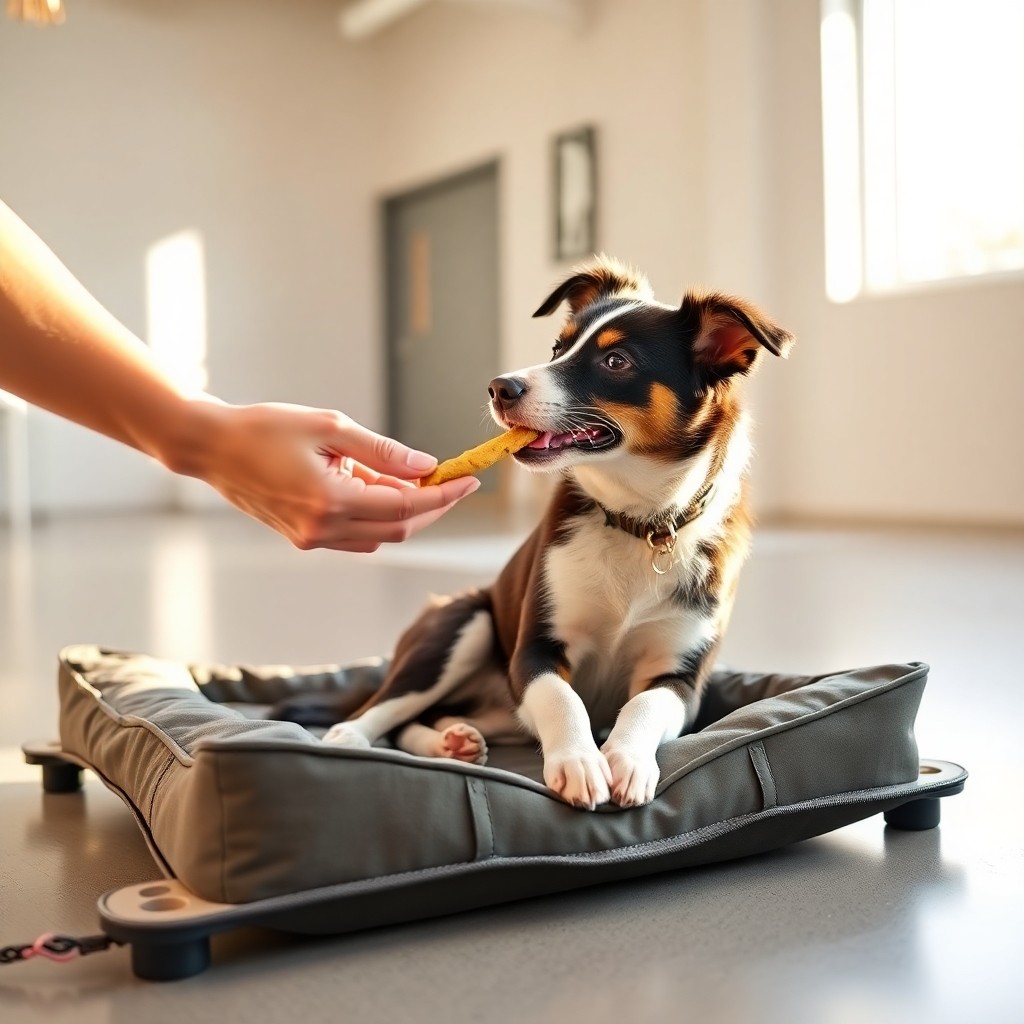
- Create a Dedicated Safe Space: Set up a comfortable crate, a cozy bed, or a quiet corner equipped with their favorite blankets. Train your dog to go to this spot on cue, rewarding them with high-value treats to build a positive association with that space.
- Practice Desensitization: Gradually accustom your dog to your absence. Start by walking behind a closed door for just five seconds, then return and reward them only when they are calm. Slowly increase the duration as their confidence grows.
Common Mistakes to Avoid
Correcting behavioral issues is as much about what you stop doing as what you start doing. Avoid these common pitfalls to prevent reinforcing the clingy behavior:
- Punishing the Behavior: Scolding or pushing your dog away aggressively will only increase their anxiety, making them even more desperate for your reassurance.
- Rewarding Attention-Seeking Whines: If your dog whines, nudges your hand, or barks for attention and you immediately pet them or talk to them, you are teaching them that clingy behavior works. Wait for a moment of quiet and calm before offering affection.
- Making a Huge Fuss Over Departures and Arrivals: Emotional goodbyes and ecstatic, high-energy greetings signal to your dog that your absence is indeed a monumental, stressful event. Keep departures and arrivals low-key and calm.
Frequently Asked Questions
Why is my dog suddenly clingy at night?
Sudden nighttime clinginess is often triggered by sensory changes, such as reduced visibility in the dark, or ambient noises that sound louder at night. In older dogs, it can also be an early sign of cognitive decline, which often worsens as daylight fades (a phenomenon similar to sundowning in humans).
Can a female dog become clingy when in heat or pregnant?
Yes. Hormonal fluctuations during a heat cycle or pregnancy can cause significant behavioral shifts. Many female dogs seek extra comfort, nesting materials, and constant physical contact with their owners during these hormonal transitions.
When should I contact a professional dog behaviorist?
If your dog shows signs of extreme panic when left alone—such as injuring themselves trying to escape, hyperventilating, or vocalizing endlessly—and basic training steps do not help within a few weeks, it is time to consult a certified professional dog trainer or veterinary behaviorist.