
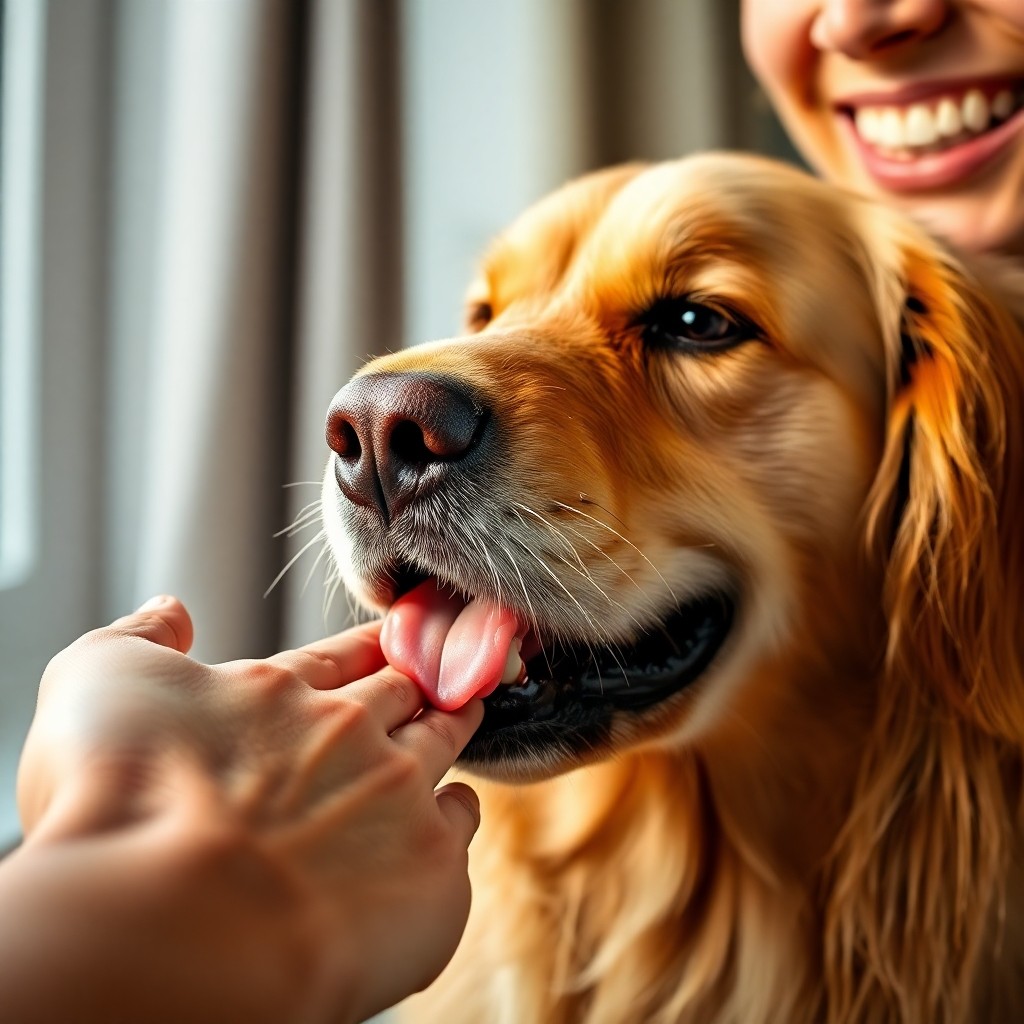
A few damp morning kisses from your dog can be endearing, but when the licking becomes relentless, you’re left feeling sticky, frustrated, and wondering what’s actually going on. Often, we accidentally reinforce this non-stop habit by reacting right away, turning a simple wet greeting into an endless cycle of attention-seeking.
Yes, it is entirely normal for dogs to lick their owners as a way to express affection, seek attention, communicate, or explore interesting scents. However, if the licking is persistent, frantic, or accompanied by anxious behaviors, it may stem from stress, boredom, or an underlying medical concern that requires intervention.
The Science Behind Why Dogs Lick
To address this behavior, it helps to understand why canine biology and psychology drive dogs to lick so frequently. Licking is not just a random habit; it is a fundamental sensory tool.
1. Sensory and Chemical Exploration
Dogs navigate the world through taste and smell. Human skin is coated in natural oils, sweat, and salt, which dogs find highly appealing. If you have recently applied lotion, cooked a meal, or worked out, your skin carries a sensory map that your dog wants to explore and taste.
2. Chemical Bonding and Joy
When a dog licks your skin, their brain releases endorphins and oxytocin, the ‘feel-good’ hormones. This chemical release acts as a natural stress reliever, helping them feel safe, relaxed, and deeply bonded to you. For your dog, licking is the ultimate comforting ritual.
3. Instinctual Behavior
In the wild, wolf pups lick their mother’s muzzle to trigger a regurgitation reflex for food. While domesticated dogs no longer need to do this, the instinctual urge to lick the faces of those they view as family members remains deeply embedded in their genetic makeup.
When Normal Licking Crosses the Line
While occasional licking is healthy, it can sometimes morph into an obsessive-compulsive behavior or a sign of physical distress. Knowing the boundary between affection and anxiety is crucial for your pet’s well-being.
Obsessive licking often acts as a displacement behavior. If a dog feels anxious about loud noises, separation, or changes in the household, they may lick you or themselves excessively to self-soothe. If the licking becomes rapid, frantic, or difficult to interrupt, it is time to look closer at their environment.
In some cases, sudden-onset licking can point to nausea or gastrointestinal discomfort. Dogs often lick surfaces, floors, or their owners’ hands repeatedly when they feel sick to their stomach, as the licking action helps stimulate saliva production and soothe an irritated throat.
Step-by-Step Action Plan to Manage Constant Licking
If your dog’s licking has become too intense, you can easily reshape this behavior using positive reinforcement and consistency. Follow this practical, coach-led blueprint to reclaim your personal space.
- Step 1: Implement the ‘Ignore’ Technique. The moment your dog starts licking you excessively, calmly stand up and walk away. Avoid talking to them, looking at them, or saying ‘no,’ as even negative attention is a reward in their eyes. Return only when they are calm and quiet.
- Step 2: Redirect the Energy. Keep a favorite chew toy or a lick mat stuffed with frozen dog-safe peanut butter nearby. When your dog approaches to lick you, redirect their focus onto the toy. This channels their natural oral fixation into an appropriate, independent activity.
- Step 3: Increase Mental Enrichment. Bored dogs often resort to repetitive behaviors to pass the time. Swap out simple walks for puzzle toys, scent-training games, and structured obedience practice to tire out their mind.
- Step 4: Master the ‘Leave It’ Command. Train your dog to respond to a reliable ‘leave it’ cue. Reward them with a high-value treat when they look away from your hand or face on command, reinforcing that self-control yields better rewards than licking.
Common Mistakes Owners Make When Trying to Stop Licking
Correcting behavioral habits requires consistency. Avoiding these common training pitfalls will help you achieve faster, lasting results.
- Pushing the dog away playfully: Shoving your dog away or laughing while telling them to stop is often interpreted as a game, which encourages them to jump back in and lick more.
- Being inconsistent: Allowing kisses when you are wearing casual clothes but scolding them when you are dressed for work confuses your dog. Decide on a clear boundary and stick to it daily.
- Using physical punishment: Correcting a dog harshly for licking can damage your bond and increase their anxiety, which often triggers even more compulsive licking as a self-soothing response.
Frequently Asked Questions
Why does my dog lick my feet so much?
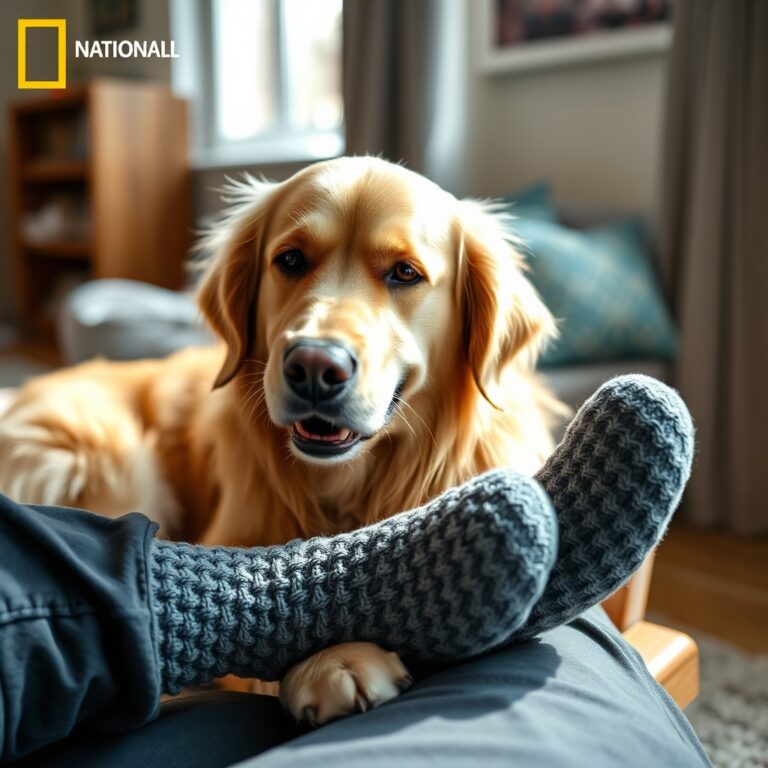
Your feet contain a high concentration of sweat glands, making them incredibly rich in salt and pheromones. To your dog, your feet are a concentrated source of information about where you have been and how you are feeling.
Can my dog get sick from licking my skin?
Generally, a healthy dog licking intact human skin is harmless. However, you should avoid letting your dog lick open wounds, cuts, or your mouth. Human skin lotions, topical medications, and sunscreens can also contain ingredients that are toxic to dogs if ingested.
How do I know if the licking is caused by separation anxiety?
If the frantic licking only occurs immediately before you leave the house or right after you return, and is accompanied by pacing, whining, panting, or destructive behavior, it is highly likely a symptom of separation anxiety.