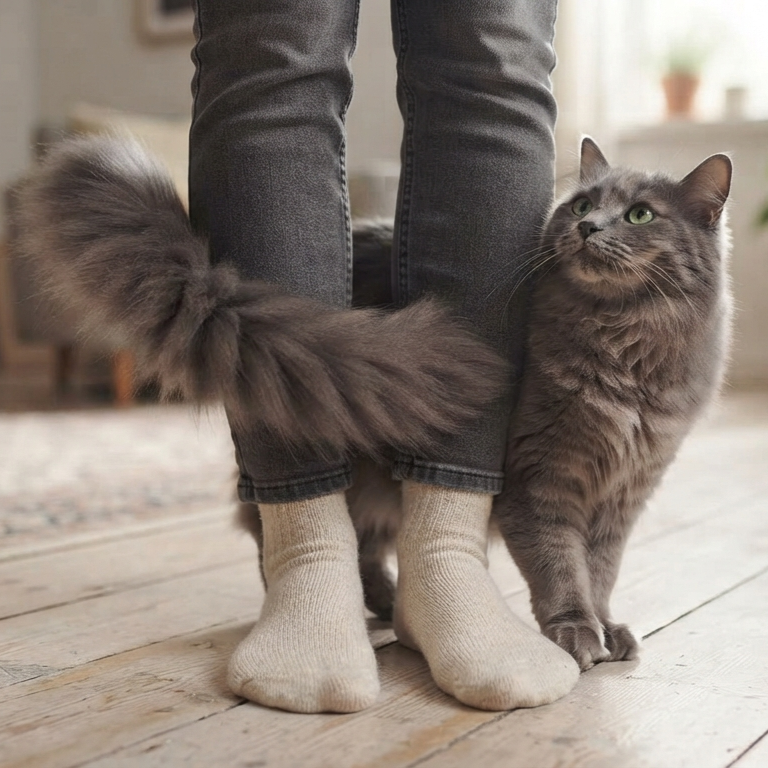

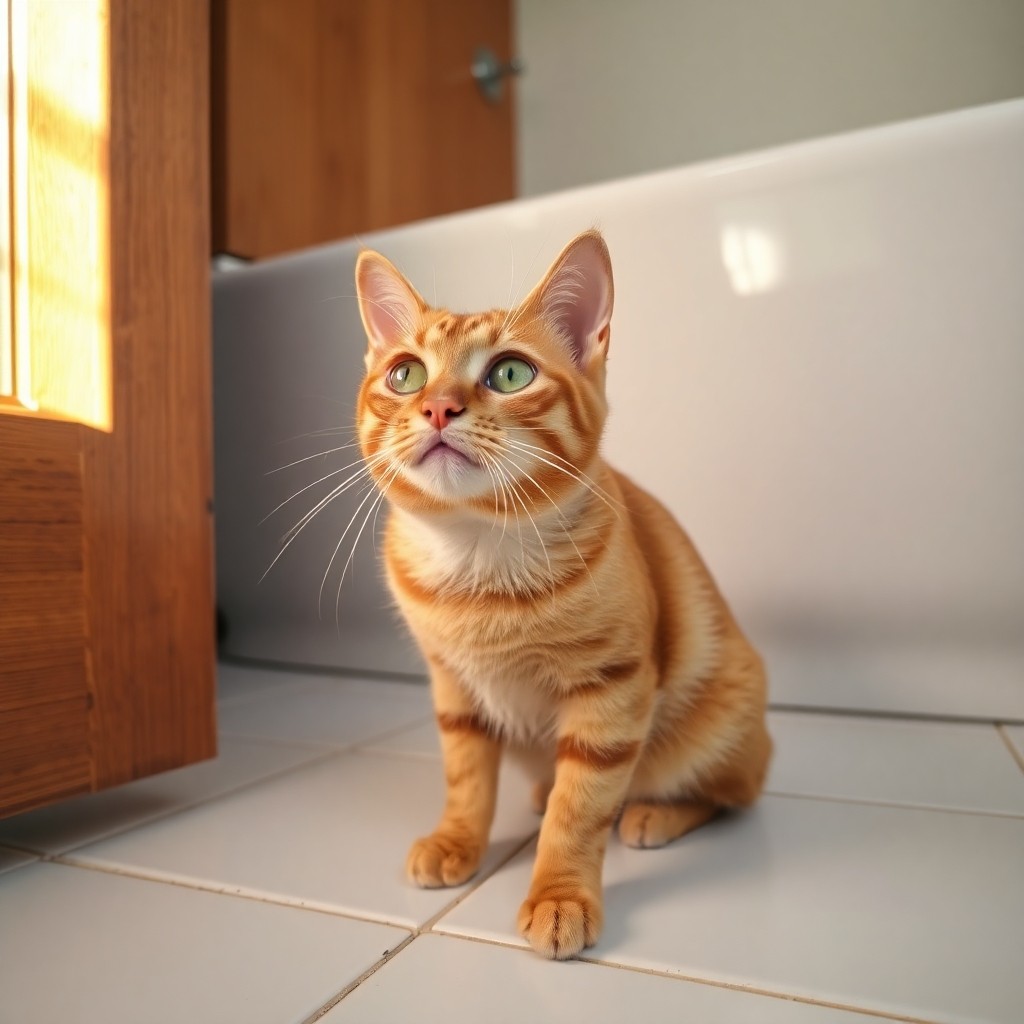
If you live with a cat, closing the bathroom door in peace is practically a pipe dream. Long before you even manage to turn the lock, a furry paw slides under the crack and a familiar meow announces your shadow’s arrival. As it turns out, this quirky daily ritual isn’t just about invading your privacy; it is driven entirely by deep-seated feline instincts.
Cats follow their owners into the bathroom because they are naturally drawn to vulnerable territory, crave social bonding, seek resource-rich areas like sink basins, and view any closed door as a barrier to their established domain. Understanding these motivators can help you decode your pet’s behavior and strengthen your bond.
The Psychology Behind the Bathroom Parade
Cats do not view the home the way humans do. To a cat, your living space is a carefully mapped territory that they must manage and secure. When you close the bathroom door, you are cutting off access to a portion of their kingdom, which triggers their natural curiosity and territorial instincts.
Additionally, cats are opportunistic attention seekers. They quickly learn that when you are seated in the bathroom, you are a captive audience. Without the distractions of phones, computers, or household chores, you are highly likely to offer head scratches and gentle praise, reinforcing the behavior over time.
Why the Bathroom is a Cat’s Playground
Beyond human presence, the bathroom environment itself holds unique sensory appeals for a feline:
- Running Water: Many cats are fascinated by dripping faucets and running sinks, which mimic fresh moving water in the wild.
- Cool Surfaces: Smooth porcelain sinks and tile floors offer pleasant sensory feedback, helping cats regulate their body temperature.
- Novel Scents: Bathrooms are filled with personal scents that comfort your cat, making them feel secure in a shared space.
Common Mistakes Cat Owners Make
While bathroom-following is generally harmless, certain reactions from owners can inadvertently create anxiety or behavior issues. Avoid these common missteps:
- Shutting the door in their face without warning: This can trigger barrier frustration, leading to stressful scratching and howling at the door.
- Rewarding negative attention-seeking behaviors: Opening the door only when your cat screams or scratches teaches them that loud vocalizations work.
- Ignoring potential water hazards: Leaving toilet lids open or leaving cleaning chemicals in the tub can pose serious health risks to a curious cat.
- Treating the bathroom as a punishment zone: Never lock your cat in the bathroom as a form of time-out, as this ruins their positive association with the space.
How to Manage or Redirect the Behavior
If you prefer a little more privacy during your bathroom visits, you can gently redirect your cat’s focus using simple behavior modification techniques. Start by establishing a designated ‘waiting spot’ outside the bathroom door with a comfortable mat or a small scratching post. Reward them with high-value treats when they choose to settle there instead of rushing inside.
Providing environmental enrichment throughout the rest of the home, such as puzzle feeders, window perches, and scheduled interactive play sessions, can also satisfy their curiosity and reduce their reliance on your bathroom routine for entertainment.
Frequently Asked Questions
Is it normal for a cat to cry outside a closed bathroom door?
Yes, this is highly normal behavior. Cats dislike closed doors because they block access to their territory. The crying is usually a demand to remove the barrier rather than a sign of true distress.
Why does my cat want to sit on my lap while I am on the toilet?
This occurs because your lap is at an accessible, stationary height, and you are completely still. Your cat views this as the perfect, warm spot to claim your undivided attention and bond with you.
Could this behavior indicate separation anxiety?
While usually benign, if your cat follows you constantly, vocalizes anxiously when you are out of sight, or exhibits destructive behavior when left alone, it may point to separation anxiety. In such cases, consulting a veterinary behaviorist is recommended.