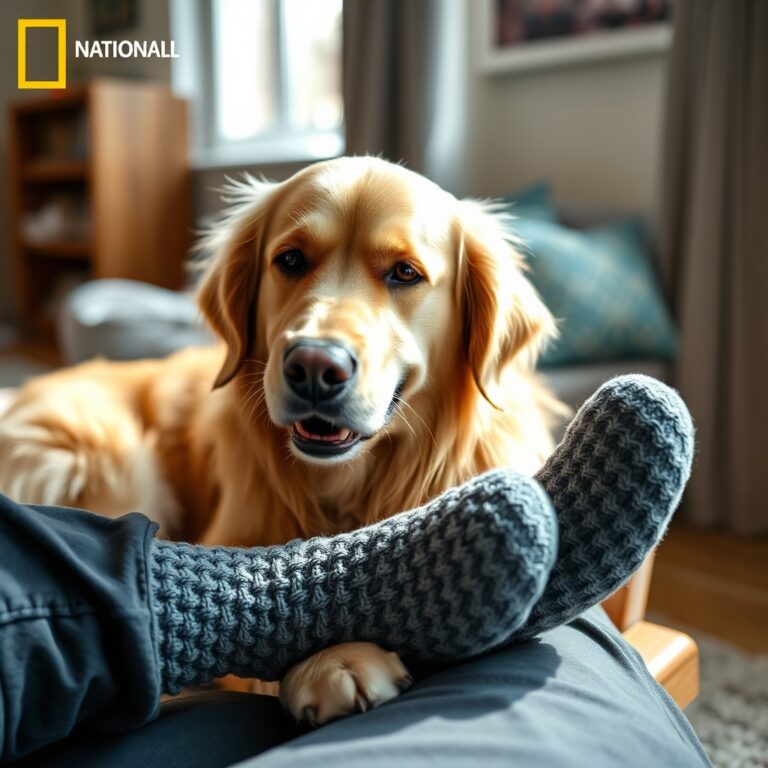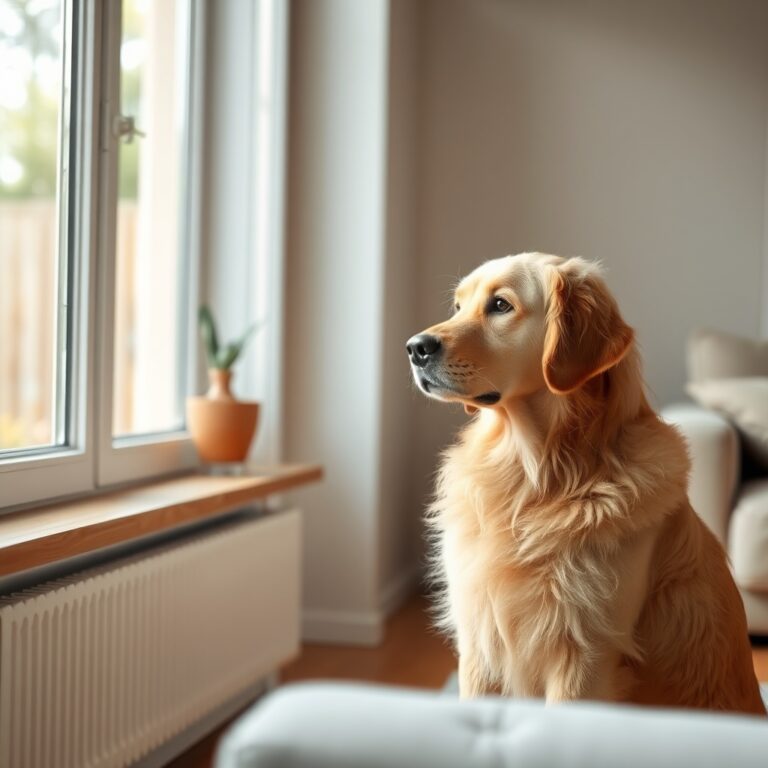


Catching your dog curled up dead center on the couch usually prompts an instant sigh. Far from a simple act of rebellion or an attempt to assert household dominance, claiming the sofa actually satisfies a mix of deep evolutionary instincts, a desire for emotional security, and the pure appeal of soft cushions.
Dogs sleep on the couch primarily because it offers physical comfort, elevated safety, temperature regulation, and a powerful connection to your scent. Recognizing these drivers makes it much easier to manage your living room boundaries without damaging your bond with your pet.
The Real Reasons Your Dog Invades the Sofa
To your dog, the living room couch is not just a piece of furniture; it is a premium nesting site. Here is why they find it so incredibly hard to resist:
- Physical Comfort and Support: Just like humans, dogs prefer soft, supportive surfaces. Orthopedic support is especially important for senior dogs or large breeds with aching joints, and a plush sofa cushion beats a hardwood floor every time.
- The Power of Your Scent: Your sofa is saturated with your unique scent. Sleeping where you sit makes your dog feel safe, secure, and closely connected to you, especially when you are away from home.
- Instinctive Elevation: Ancestral wild dogs sought elevated resting spots to keep a lookout for predators and monitor their territory. The couch offers your dog a perfect vantage point to keep an eye on the household.
- Warmth and Nesting: Couches retain body heat exceptionally well. The soft fabric, throw blankets, and pillows provide the ultimate cozy nest for a species that naturally loves to burrow and den.
Is It Bad to Let Your Dog Sleep on the Furniture?
Whether you allow your dog on the couch is entirely a personal preference. There is no right or wrong answer, but there are a few practical factors to weigh before making a permanent rule.
If you enjoy cuddles and do not mind vacuuming up pet hair, sharing the sofa can actually strengthen your emotional bond. However, if your dog displays ‘resource guarding’ behaviors—such as growling, snapping, or stiffening when you try to sit down—allowing them on the furniture can reinforce negative habits. In these cases, establishing clear boundaries is highly recommended for safety.
How to Reclaim Your Sofa: A Practical Training Guide
If you have decided the couch is a human-only zone, you can transition your dog to the floor using positive reinforcement. Consistency is your most powerful tool during this process.
Step 1: Provide an Irresistible Alternative
You cannot expect your dog to leave a comfortable couch for a cold, hard floor. Invest in a high-quality, orthopedic dog bed with bolsters that mimic the supportive feel of a couch armrest. Place this bed near the sofa so your dog still feels like part of the family circle.
Step 2: Teach the ‘Off’ Command
Never physically drag your dog off the furniture. Instead, use a high-value treat to lure them off the couch. As their paws touch the floor, say ‘off’ in a calm, clear voice, and reward them instantly. Repeat this process until they associate the word ‘off’ with moving to the floor for a reward.
Step 3: Make the Couch Unappealing When You Are Away
Dogs are opportunists and will likely sneak onto the sofa when you are not looking. Block access temporarily when you cannot supervise. You can place upside-down laundry baskets, folded chairs, or a specialized couch runner on the cushions to remove the temptation.
Step 4: Reward Couch-Free Behavior
Catch your dog doing the right thing. Whenever your dog chooses to lie down on their own bed instead of the sofa, praise them warmly and hand over a tasty treat. This builds a strong positive association with their designated sleeping area.
Common Training Mistakes to Avoid
- Being Inconsistent: Letting your dog cuddle on the couch on weekends but scolding them during the week confuses their natural learning patterns. Everyone in the household must enforce the same rules.
- Using Punishment: Scolding or yelling at your dog for sleeping on the couch will only make them fearful. Stick to positive reinforcement and proactive boundary setting.
- Expecting Overnight Results: Habits take time to break. Be patient, stick to your training steps daily, and focus on gradual progress.
Frequently Asked Questions
Why does my dog only sleep on the couch when I leave the house?
When you leave, your dog may experience mild separation anxiety. The couch holds your strongest scent, offering them a deep sense of comfort and security until you return.
How can I protect my couch if I decide to let my dog stay?
Use a washable couch cover, a heavy-duty pet blanket, or a stylish throw. This allows you to enjoy cuddling with your pet while protecting your furniture from mud, dander, and sharp claws.
Does my dog think they are the boss if they sleep on the couch?
No. Modern veterinary behaviorists agree that dogs do not sleep on furniture to establish dominance. They do it simply because it is comfortable, warm, and smells like their favorite human.