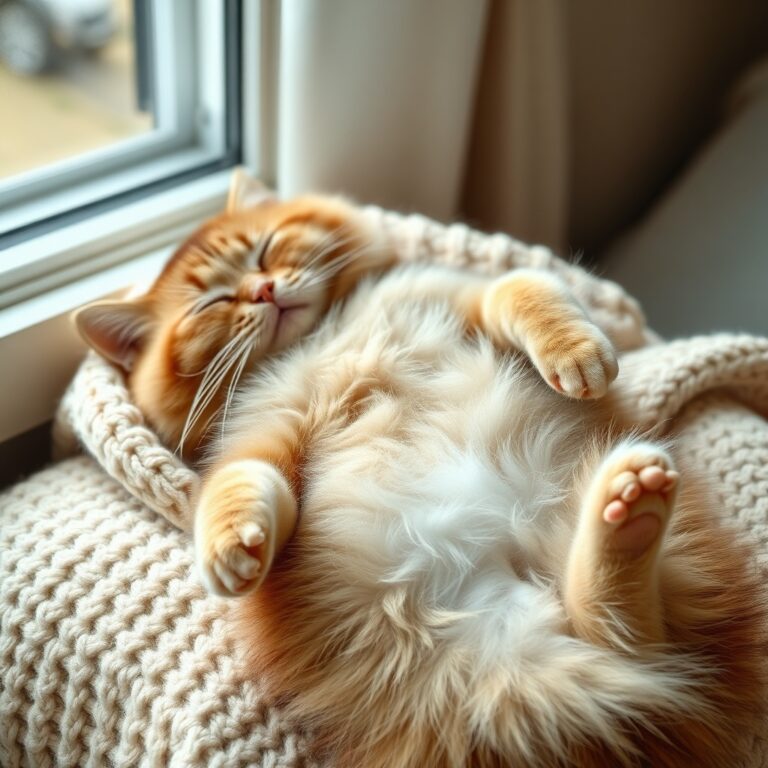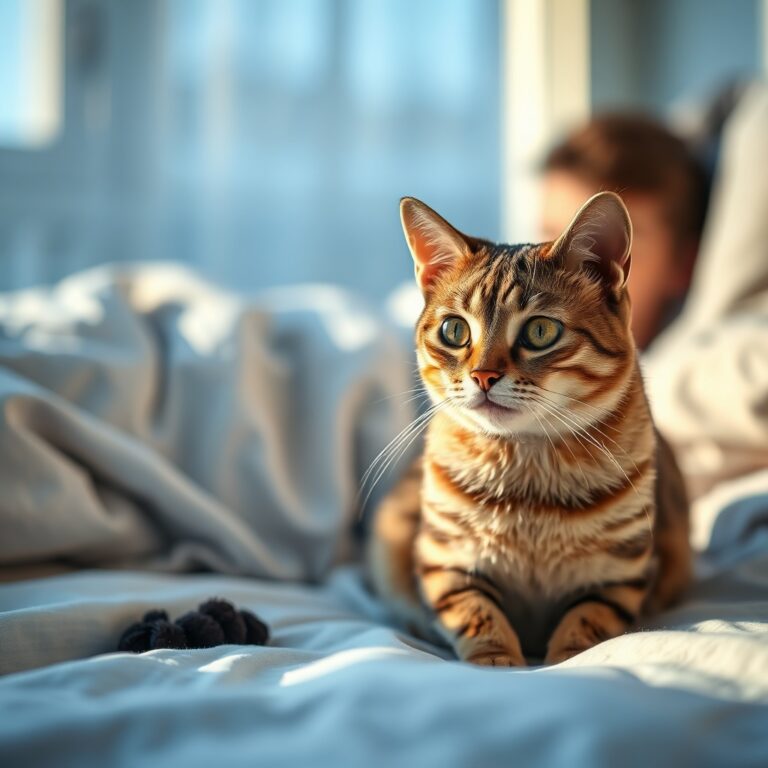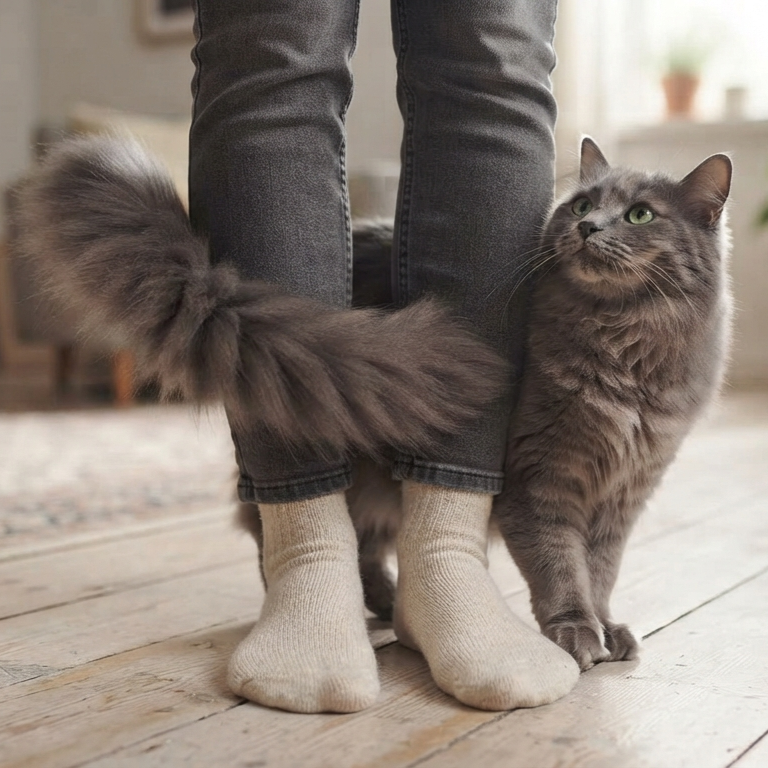

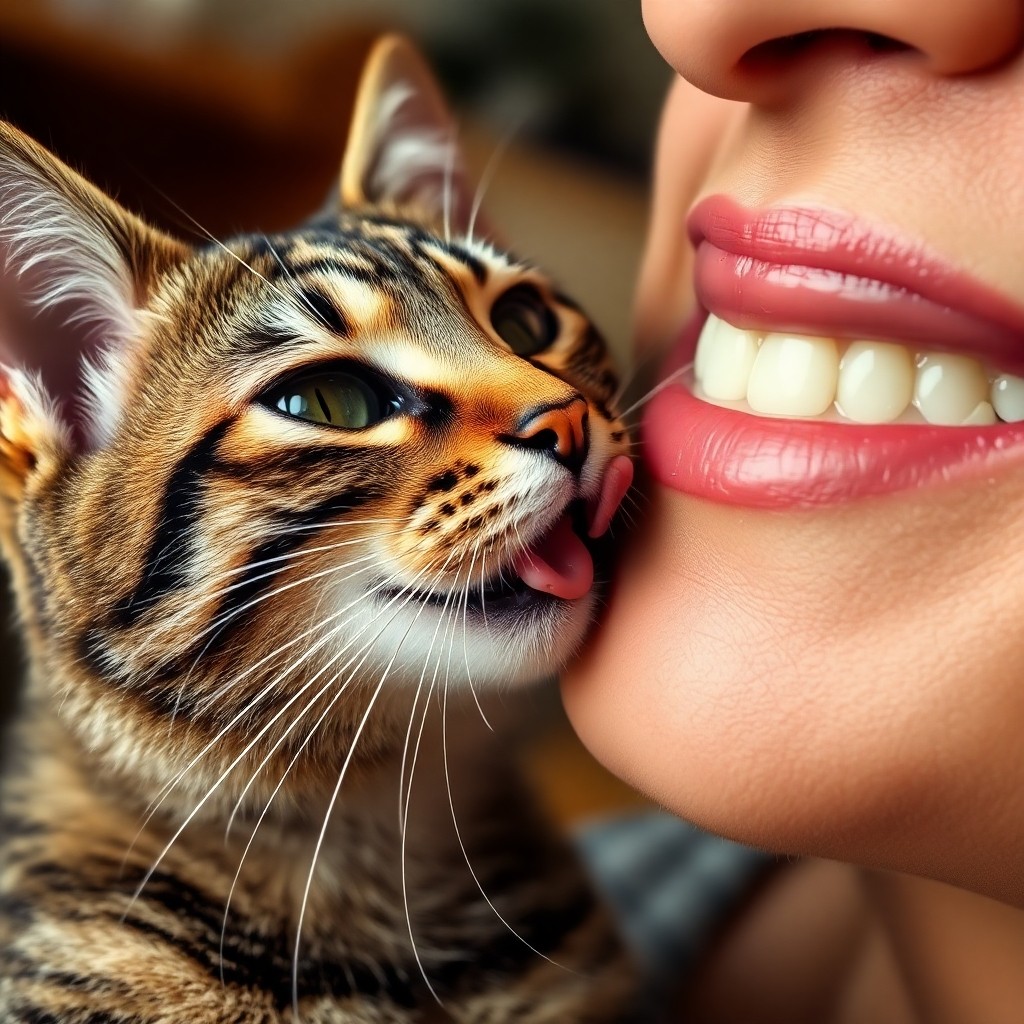
When those rough, sandpaper-like licks start landing on your nose or cheek at dawn, the instinctive reaction is often to pull away in surprise. But that sudden push can thoroughly confuse your cat, who is simply trying to speak to you in their own native language.
Your cat licks your face primarily to express affection, strengthen social bonds through grooming, mark you as part of their family territory, or simply because they enjoy the salty taste of your skin. This behavior is deeply rooted in kittenhood, mimicking how mother cats groom and bond with their litters.
The Behavioral Psychology Behind Face Licking
To understand why your feline companion targets your face for grooming, you have to look at how cats communicate within a colony. Unlike dogs, who often use licking as a submissive gesture, feline licking is a complex social tool.
1. Social Grooming (Allogrooming)
In the feline world, mutual grooming is known as allogrooming. Cats within the same family group lick each other’s heads, necks, and faces to reinforce their social bond. When your cat grooms your face, they are treating you as an honorary member of their family. It is a sign that they feel completely safe and secure in your presence.
2. Scent Marking and Claiming You
Cats rely heavily on scent to identify safe zones and family members. Your cat has scent glands on their cheeks, lips, and forehead. By licking your face, they mix their saliva with your natural oils, leaving a unique ‘family scent’ on you. This process signals to other animals that you belong to their safe social group.
3. The Appeal of Salty Skin
Sometimes, the explanation is incredibly simple: you taste interesting. Human skin naturally secretes sweat, which contains trace amounts of salt. If you have recently applied moisturizer, lotion, or finished a workout, your cat may find the unique scent and taste of your skin irresistible. Always ensure any topical face creams you use are safe and non-toxic to pets.
4. Coping with Stress or Anxiety
Licking releases endorphins in a cat’s brain, which helps them soothe themselves. If your cat is licking your face excessively or obsessively, it could be a sign of displacement behavior. They might be using the repetitive motion of licking to calm their nerves due to changes in the household, loud noises, or separation anxiety.
How to Stop or Redirect Face Licking
While a few sandpapery kisses can be endearing, constant face licking can become irritating or even unhygienic. You can easily train your cat to redirect this behavior without damaging your bond by following these structured steps.
- Step 1: Spot the early warning signs. Watch for behavioral cues that your cat is about to start licking, such as intense staring, sniffing your chin, or gently placing a paw on your shoulder. Intercepting the behavior before it starts makes redirection much easier.
- Step 2: Employ calm redirection. As soon as your cat begins to lick, quietly redirect their attention to an interactive toy, a feather wand, or a safe puzzle feeder. This shifts their focus from grooming you to a stimulating mental activity.
- Step 3: Walk away calmly. If redirecting fails, stand up and walk away without making eye contact or speaking. This teaches your cat that licking results in the immediate end of social interaction, which is a powerful, non-punitive deterrent.
- Step 4: Offer healthy grooming alternatives. Keep a soft-bristled grooming brush nearby. When your cat approaches you looking for a grooming session, use the brush on their cheeks and head. This satisfies their desire for mutual grooming in a way that keeps their tongue off your face.
Common Mistakes Owners Make When Redirecting Cats
Correcting behavioral habits requires consistency and patience. Avoid these common missteps during your training sessions:
- Yelling or physical pushing: Reacting with loud noises or rough physical contact will scare your cat, causing them to associate you with fear rather than safety. This can severely damage your bond.
- Providing treats immediately after they lick: If you give your cat a treat to get them to stop licking your face, you are accidentally reinforcing the behavior. They will quickly learn that ‘lick face equals tasty snack.’
- Inconsistency: Allowing your cat to lick your face on some days but punishing them on others confuses them. Establish clear boundaries and stick to them every single time.
Is Feline Saliva Safe for Human Skin?
While cat saliva is generally harmless to intact, healthy human skin, it does contain bacteria, including Pasteurella multocida, which can cause infections if it enters open wounds, scratches, or your eyes, nose, and mouth. If you have compromised immunity, open acne blemishes, or fresh cuts on your face, it is best to gently discourage face licking entirely and encourage head-bumping (bunting) instead.
Frequently Asked Questions
Why does my cat lick my face and then suddenly bite me?
This is often a sign of overstimulation. The repetitive sensation of licking can cause your cat to become visually or physically overwhelmed. The bite is a sudden, instinctual way of saying ‘that is enough interaction for now.’ Watch for twitching ears or a lashing tail to stop the session before the bite occurs.
Why does my cat lick my face while I am sleeping?
Your cat likely licks your face while you sleep because they feel relaxed, seek warmth, or want your attention. Since you are still, they view you as highly approachable and take the opportunity to initiate social bonding or wake you up for an early breakfast.