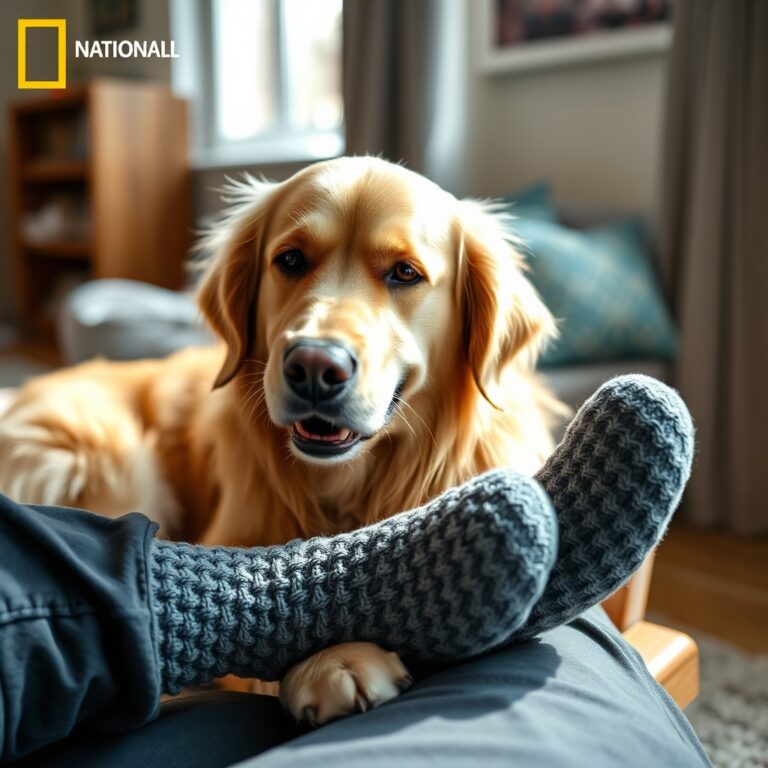


That familiar head tilt never fails to melt our hearts, usually looking like an adorable bid for an extra treat. But this classic canine posture is actually a fascinating mix of sensory adjustment, emotional processing, and quiet communication. Paying attention to what your dog is trying to figure out when they cock their head can deepen your bond and help you decode their silent language.
Dogs tilt their heads when you talk to adjust their ears to locate the source of sounds more accurately, and to shift their vision so they can better see your facial expressions and mouth movements. This physical adjustment helps them process your spoken words, read your body language, and understand your emotional intent.
The Auditory Angle: Locating and Processing Sound
Dogs have an incredible sense of hearing, but their ear structure makes it somewhat difficult to pinpoint the exact vertical source of a sound. While canine ears can move independently to capture sound waves from different directions, their brains must calculate minute differences in the time it takes for a sound to reach each ear to determine location.
By tilting their head, dogs change the vertical and horizontal plane of their ears. This physical shift allows them to receive the sound at slightly different intervals, helping them calculate the precise distance, direction, and elevation of your voice. If your dog tilts their head while you speak in a high-pitched tone or say one of their favorite words, they are literally adjusting their internal antenna to hear you better.
The Visual Angle: Seeing Past the Muzzle
Another major reason behind the head tilt involves your dog’s line of sight. Prominent canine cognitive researcher Dr. Stanley Coren suggested that a dog’s muzzle acts as a visual barrier, partially blocking the lower half of the human face from their view.
Because dogs rely heavily on our facial expressions and mouth movements to understand our emotional state and intentions, a blocked view is a significant communication barrier. Tilting the head shifts the muzzle out of their direct line of sight. This quick adjustment allows the dog to fully see your mouth and read your facial cues, helping them decode whether you are happy, serious, or offering a cue for an activity.
Emotional Intelligence and Empathy
Dogs are incredibly empathetic creatures that have evolved alongside humans for thousands of years. They are uniquely attuned to our vocal inflections, speech patterns, and mood shifts. When you talk to your dog, they are not just listening to the words; they are assessing your emotional state.
A dog that tilts its head is demonstrating active listening. They are scanning your tone of voice for recognizable words like ‘walk’, ‘park’, or ‘treat’, while simultaneously analyzing your emotional energy. Studies suggest that highly social and empathetic dogs tend to tilt their heads more frequently, as they are deeply invested in understanding and reacting to their owner’s emotional state.
Common Mistakes Owners Make When Interpreting the Head Tilt
- Assuming a lack of tilting means a dog is uninterested: Some dogs, particularly flat-faced breeds (brachycephalic dogs like Pugs or Bulldogs), do not need to tilt their heads as much to see past their muzzle, and some dogs simply process auditory information perfectly without a visible tilt.
- Accidentally reinforcing stressful behaviors: If your dog tilts their head because of ear discomfort and you shower them with affection and treats, you may accidentally train them to hide discomfort or keep repeating the motion.
- Ignoring a static head tilt: A normal communicative head tilt is temporary and dynamic. If your dog maintains a persistent, continuous head tilt even when no one is speaking, this is a medical issue rather than a behavioral one.
When to Consult a Veterinarian: Normal Behavior vs. Medical Issues
While a momentary head tilt during conversation is entirely normal and healthy, a persistent, involuntary head tilt is a clear warning sign of an underlying medical condition. If your dog holds their head at an angle for extended periods, shows signs of pain, or displays any of the symptoms listed below, you must seek veterinary care immediately.
A constant head tilt is frequently linked to middle or inner ear infections (otitis interna). It can also indicate canine vestibular disease, which affects the balance system in the inner ear. Keep an eye out for these clinical warning signs:
- Loss of balance, stumbling, or walking in circles.
- Rapid, involuntary eye movements (nystagmus).
- Frequent scratching at the ears or shaking the head.
- An unpleasant odor or discharge coming from the ear canal.
- Lethargy, loss of appetite, or general disorientation.
Frequently Asked Questions
Do some dog breeds tilt their heads more than others?
Yes. Breeds with longer muzzles tend to tilt their heads more frequently because their snout blocks a larger portion of their view when looking directly at human faces. Additionally, dogs with floppy ears may tilt their heads more than dogs with erect ears to physically lift the ear flap and let more sound waves enter the ear canal.
Can I train my dog to tilt its head on command?
Absolutely. Because owners naturally find this behavior incredibly charming, they often reinforce it with positive attention, high-pitched praise, or treats. To train this on command, capture the moment your dog naturally tilts their head in response to a squeaky toy or a funny sound, pair it with a cue word like ‘puzzled’, and reward them immediately.