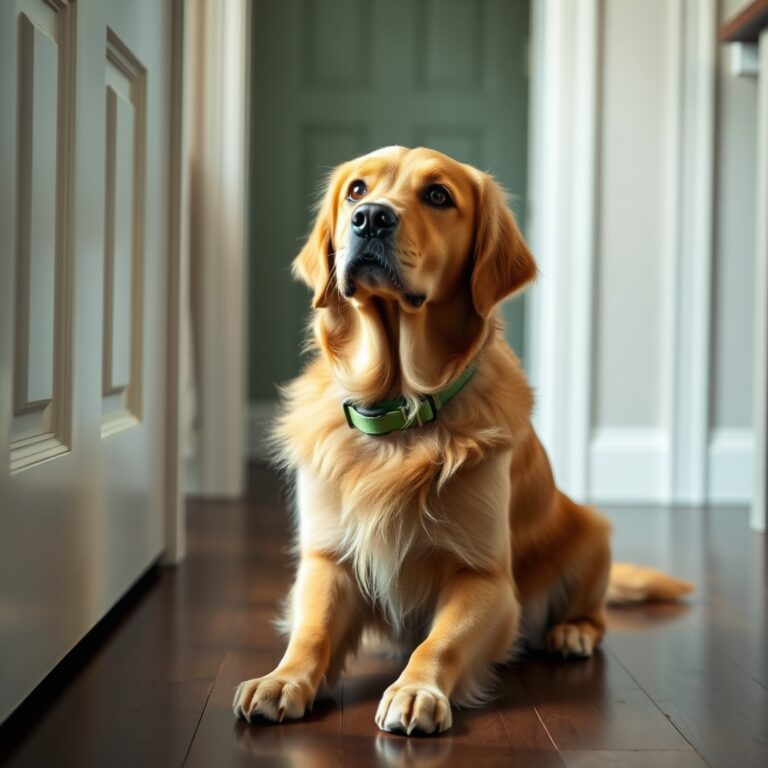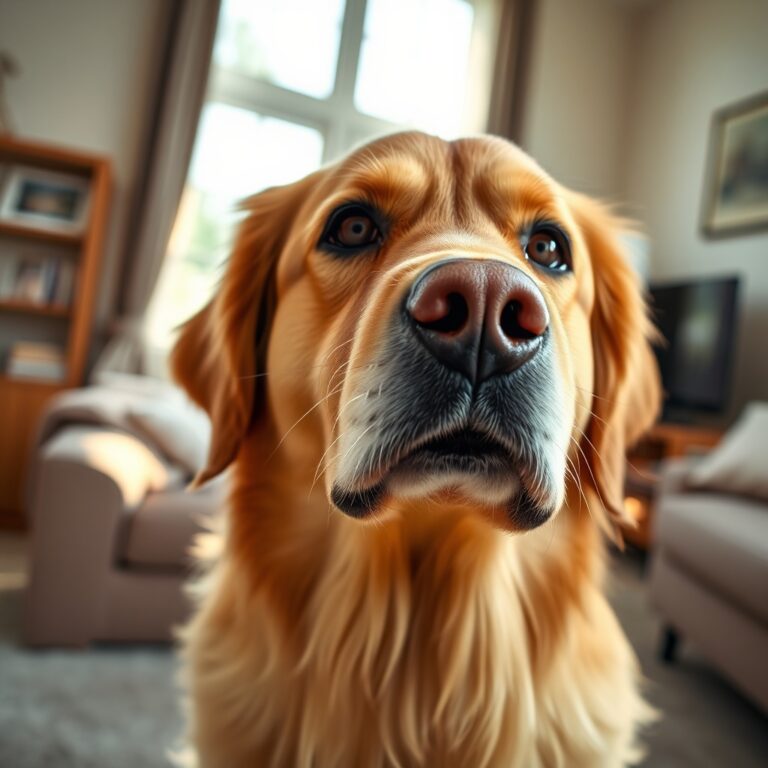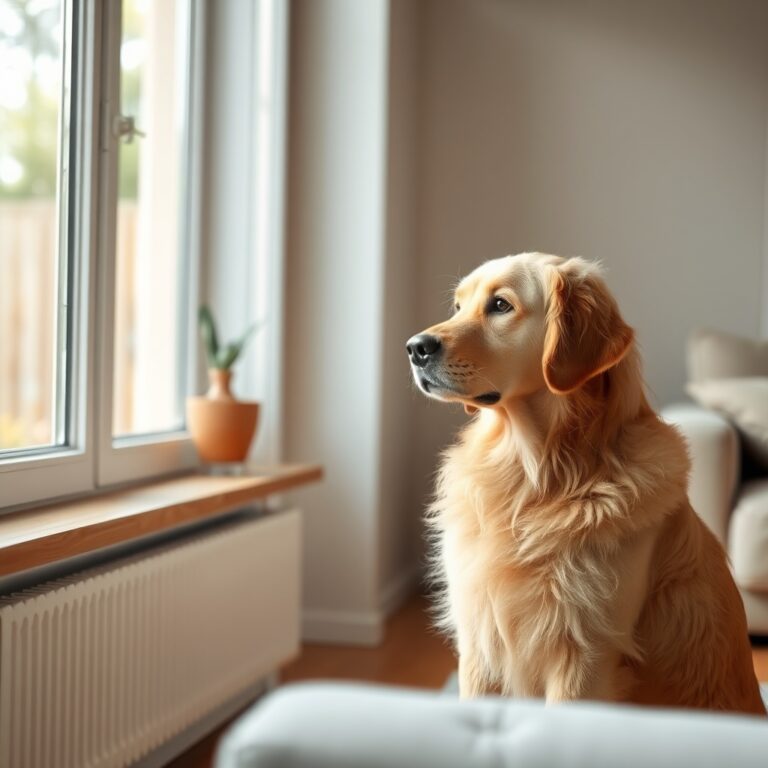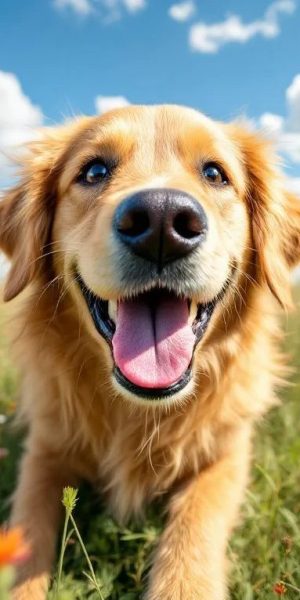
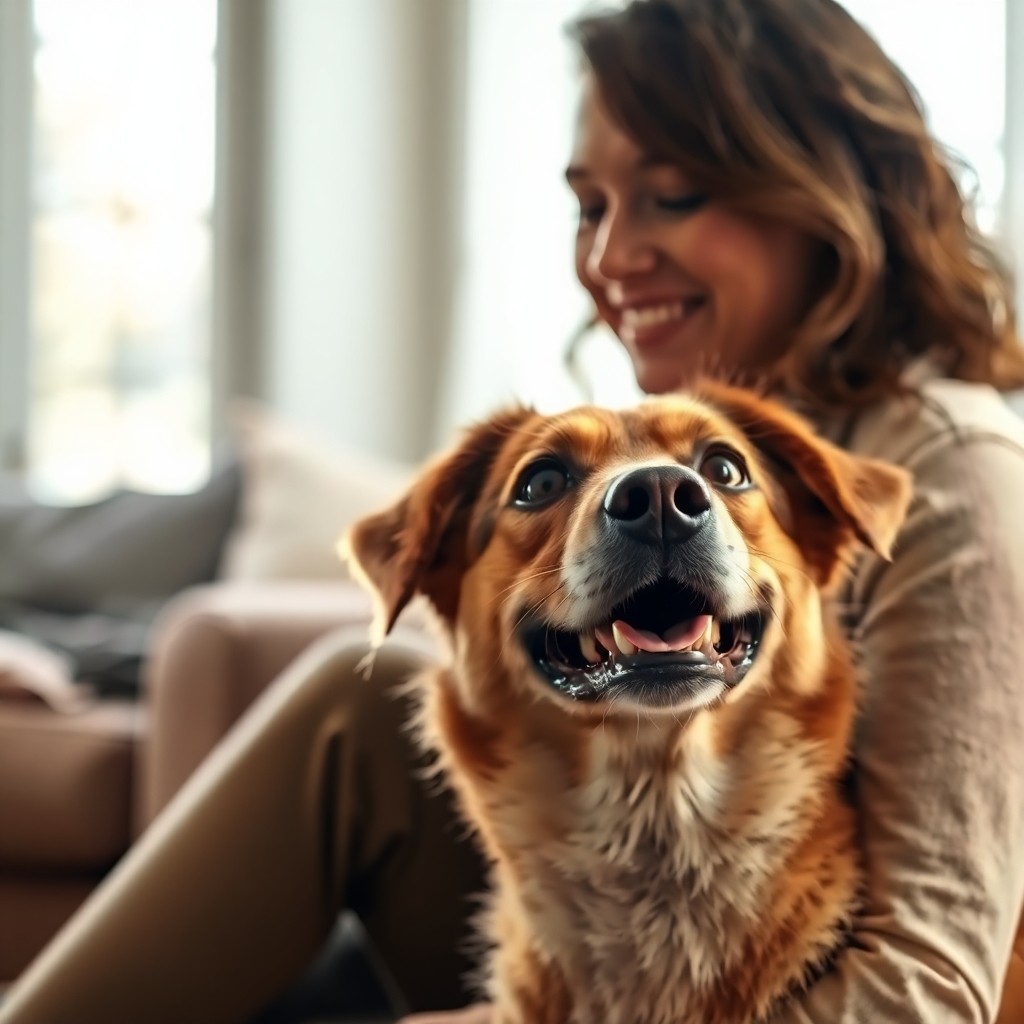
Ever caught your dog’s intense gaze and wondered exactly what’s going on in their clever mind? That sustained eye contact can be one of the most heartwarming or perplexing interactions you share with your canine companion.
Your dog stares at you for a variety of reasons, most commonly to communicate needs like hunger or a desire to play, to express affection and trust, or to understand your next move or emotional state.
Why Your Dog Stares: Understanding Their Intent
A dog’s stare is a rich form of communication, far more nuanced than just a simple glance. Deciphering its meaning often involves observing their body language, the context of the situation, and your relationship history.
They Want Something
Often, your dog’s stare is a direct request or a clear signal of a need. They’ve learned that looking at you gets results.
- Hunger or Thirst: If it’s mealtime or they haven’t had water in a while, a stare at you, then perhaps at their bowl, is a classic ‘feed me’ or ‘water me’ plea.
- Potty Break: Especially with puppies or dogs needing to go outside, a stare might precede a subtle shift towards the door or a whine, signaling a need to relieve themselves.
- Playtime: A dog eager for a game might stare, tail wagging, perhaps dropping a toy at your feet. They’re inviting you to interact and engage.
- Attention-Seeking: Sometimes, they just want your focus. A persistent stare might be a subtle nudge for a pat, a scratch, or some verbal affirmation.
They’re Expressing Affection and Trust
Research suggests that when dogs and humans gaze into each other’s eyes, both experience a release of oxytocin, the ‘love hormone’. This bonding mechanism strengthens the emotional connection between you.
- Bonding and Love: A soft, relaxed stare, often accompanied by a relaxed posture, a slow tail wag, or leaning into you, is a clear sign of deep affection and contentment.
- Trust and Security: Your dog feels safe and loved in your presence. Staring at you confirms their comfort and security within your shared space.
They’re Trying to Understand You
Dogs are incredibly perceptive and are always trying to read our cues, expressions, and intentions. They stare to gather information.
- Reading Your Emotions: Your dog might be studying your facial expressions or body language to gauge your mood or anticipate your next action. They’re trying to figure out if you’re happy, sad, angry, or about to reach for the leash.
- Seeking Direction: If you’re giving a command or if they’re unsure what to do in a new situation, they’ll often stare at you, waiting for guidance.
They’re Anxious or Unsure
While often positive, sometimes a stare can indicate discomfort or uncertainty, especially if combined with other body language cues.
- Concern or Confusion: If your dog stares with slightly widened eyes, lowered head, or flattened ears, it might signal confusion or mild anxiety about a situation.
- Awaiting a Cue in a New Environment: In unfamiliar settings, they might stare at you for reassurance, seeking your lead on how to behave.
Trained Behavior
Many dogs are taught to make eye contact as part of their training, especially in obedience, agility, or working roles. A stare might be a learned response, indicating they are waiting for their next instruction or ready for the task.
How to Respond When Your Dog Stares
Knowing why your dog is staring is the first step. The next is knowing how to respond appropriately to strengthen your bond and ensure their well-being.
- Observe Their Body Language: Pay close attention to their tail, ears, posture, and mouth. A loose, wagging tail and relaxed body usually mean affection or a simple request. A stiff body, wide eyes, or tense mouth might suggest anxiety or a need for reassurance.
- Acknowledge and Engage: If the stare seems affectionate or a request for attention/play, respond! A gentle word, a pat, or initiating a game reinforces their positive communication.
- Reinforce Positive Behavior: If they are staring for a specific request (like going outside), respond to that need immediately. This teaches them that their ‘stare communication’ is effective.
- Recognize When to Break Eye Contact: If their stare seems intense, fearful, or combined with signs of aggression (rare in a loving home context, but important to note), breaking eye contact and turning your body slightly can de-escalate potential tension, showing you’re not a threat.
When Staring Could Indicate a Problem
While most staring is harmless and positive, occasionally a sudden, uncharacteristic, prolonged, unblinking stare accompanied by other unusual symptoms (like disorientation, lethargy, or repetitive behaviors) could indicate a neurological issue or discomfort. If you notice a significant, unexplained change in your dog’s staring behavior, especially with other concerning signs, it’s wise to consult your veterinarian.
Frequently Asked Questions
Is it bad if my dog stares at me?
No, almost always it is a good sign! A dog’s stare is typically a positive form of communication, indicating affection, trust, a desire for something, or an attempt to understand you. It only becomes ‘bad’ if it’s accompanied by signs of aggression, fear, or if it’s a new, unusual behavior paired with other concerning symptoms.
Should I stare back at my dog?
Yes, especially if their stare is soft and loving. Returning a gentle, relaxed gaze can strengthen your bond, releasing oxytocin in both you and your dog. Avoid an intense, unblinking stare, as this can be perceived as confrontational by some dogs.
Why does my dog stare at me while I eat?
Your dog stares at you while you eat because they associate your mealtime with the potential for food rewards. They’ve likely learned that a persistent, hopeful gaze sometimes results in a tasty morsel, or they’re simply curious about what you’re consuming.