
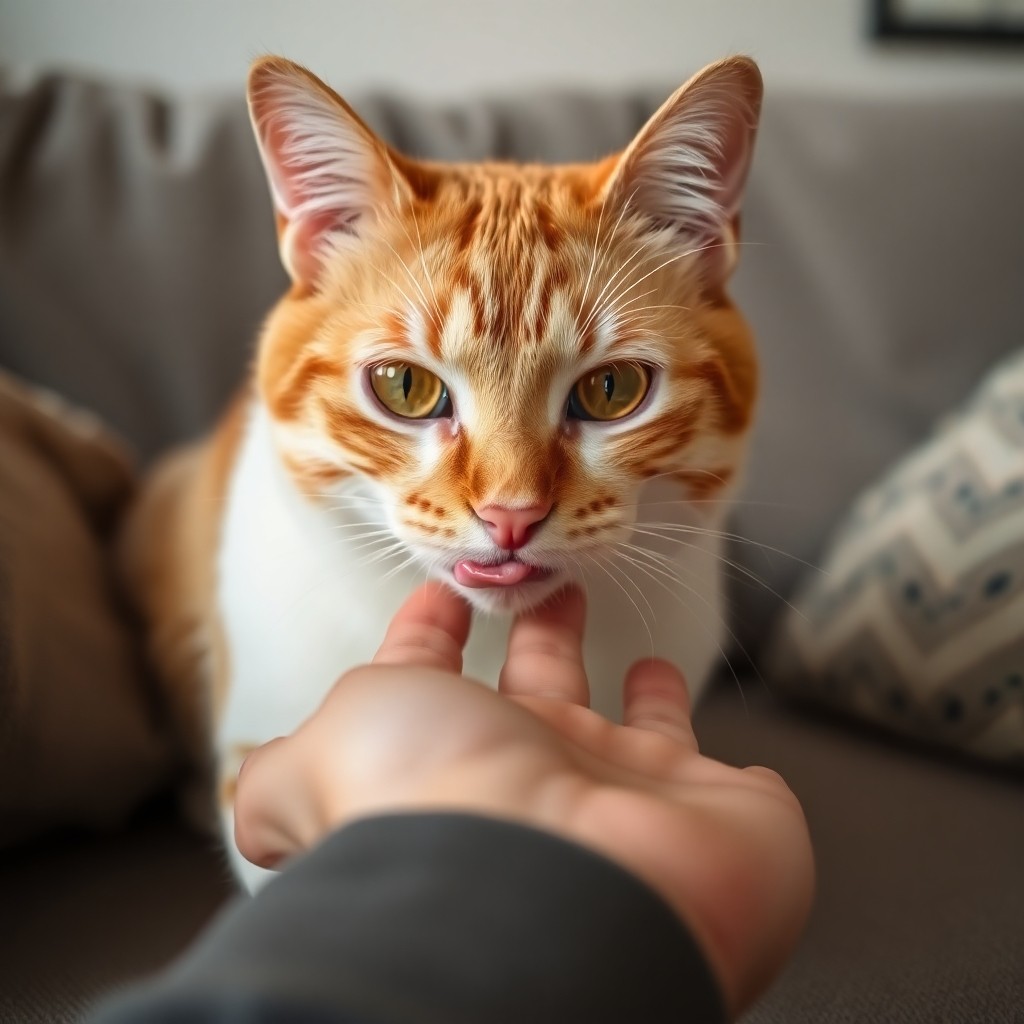
One second your cat is happily purring beneath your hand, and the next, sharp teeth are clamped onto your skin—followed immediately by a gentle, apologetic swipe of a rough tongue. It feels like a mixed signal, but this sudden switch from biting to licking is actually a deliberate feline conversation, blending a clear boundary with an instant plea for reconciliation.
Cats bite and then lick their owners due to a mix of petting-induced overstimulation, affectionate ‘love bites,’ and instinctual social grooming. This behavior serves as a rapid transition from a physical warning that a sensory limit has been reached to a reassuring, friendly gesture aimed at maintaining a peaceful relationship.
Decoding the ‘Bite and Lick’ Sequence
To understand this behavior, one must look at the wild ancestry and social structures of domestic felines. When cats interact, they use physical cues to manage boundaries. Here are the three primary reasons behind this confusing routine:
- Petting-Induced Overstimulation: A cat’s hair follicles are incredibly sensitive. Repetitive stroking can quickly turn a pleasurable sensation into an uncomfortable static overload. The bite is a sudden stop sign; the subsequent lick is an instinctive apology or a way to appease you so that the peace is kept.
- Social Grooming (Allogrooming): In multi-cat households, feline companions groom one another to strengthen social bonds. Allogrooming often involves gentle nips to clean dirty fur or establish dominance, followed immediately by soothing licks.
- Play and High Energy: Young cats and kittens often struggle to regulate their play drive. A quick bite may just be an invitation to play, and the lick acts as a transitional behavior as they calm down.
The Fine Line Between Affection and Overstimulation
Cats communicate their comfort levels long before they resort to using their teeth. Understanding these subtle shifts in body language is the key to preventing the bite-and-lick cycle from happening in the first place.
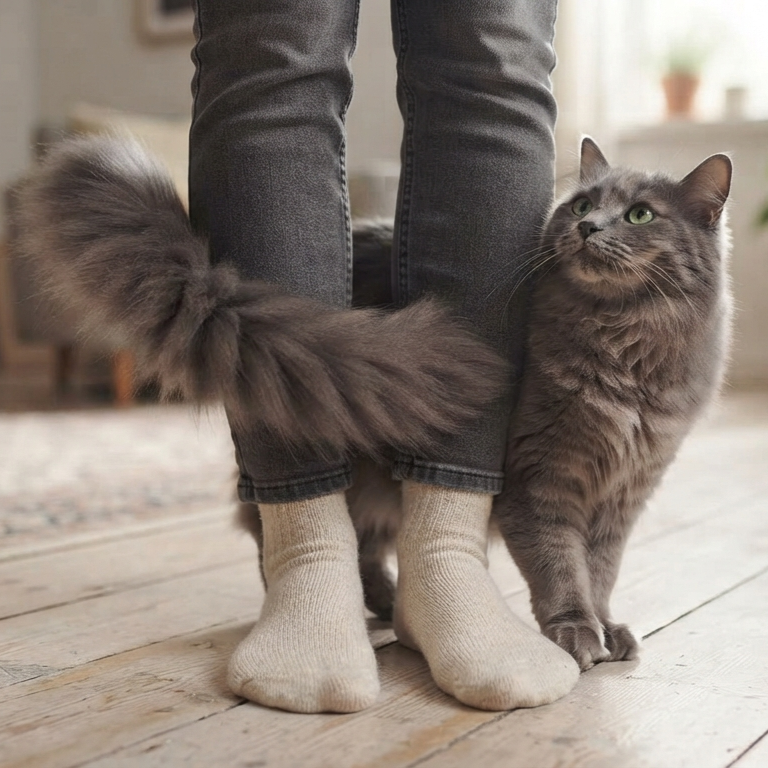
Before a cat delivers a warning bite, their tail may begin to twitch, flick, or thud against the floor. Their ears might rotate slightly backward or flatten out like airplane wings. You may also notice their skin rippling along their back, or their muscles tightening beneath your hand. If you ignore these signs, the cat will feel forced to escalate to a physical pinch to make you stop, instantly followed by grooming licks to show they do not mean any real harm.
What to Do Today: A Practical Action Plan
To curb this behavior and build a more predictable relationship with your pet, follow this structured, actionable training plan.
Step 1: Spot the Threshold
Observe your cat carefully during your next petting session. Count how many strokes you can give before the tail starts twitching or the skin begins to ripple. If the magic number is five strokes, make it a strict rule to stop petting at four.
Step 2: Implement the ‘Hands-Off’ Rule
When the bite occurs, do not pull your hand away aggressively, as this mimics the movement of prey and can trigger their hunting instinct. Instead, let your hand go limp, wait for the lick, and then calmly withdraw your hand. Walk away and ignore your cat for a few minutes to show that biting leads to the immediate end of all attention.
Step 3: Redirect the Energy
Never use your bare hands or fingers as toys. If your cat is in a playful mood and starts initiating the bite-and-lick sequence, redirect their focus immediately onto a kick toy, wand toy, or puzzle feeder. This teaches them that toys are for biting, while human skin is not.
Common Mistakes to Avoid
Correcting this behavior requires consistency. Avoid these common pitfalls to ensure you do not make the issue worse:
- Physical Punishment: Yelling, pushing, or hitting your cat will only teach them to fear you, which can turn mild overstimulation into fear-based aggression.
- Forcing Interaction: Never force a cat to stay in your lap or accept petting when they are showing signs of wanting to leave. Respecting their personal space is the fastest way to build trust.
- Inconsistent Responses: Letting your cat bite you sometimes while punishing them other times will confuse them. Keep the rules simple and identical every day.
Frequently Asked Questions
Is a cat’s bite and lick a sign of love?
Yes, in many cases, it is a sign of affection. While the bite is usually a boundary-setting tool to signal overstimulation, the immediate lick is a social gesture meant to reassure you that you are still part of their family group.
Why does my cat lick me and then bite me?
The reverse sequence usually means your cat is transitioning from grooming mode into predatory play mode, or they have suddenly become overstimulated by the grooming action itself. It is their way of saying that the grooming session has officially ended.
When should I worry about my cat biting?
If the bites break the skin, are accompanied by hissing, growling, or intense hiding, or if the behavior starts suddenly in a cat that was previously very gentle, it is time to consult a veterinarian. Sudden behavioral changes can often point to underlying pain or medical issues.