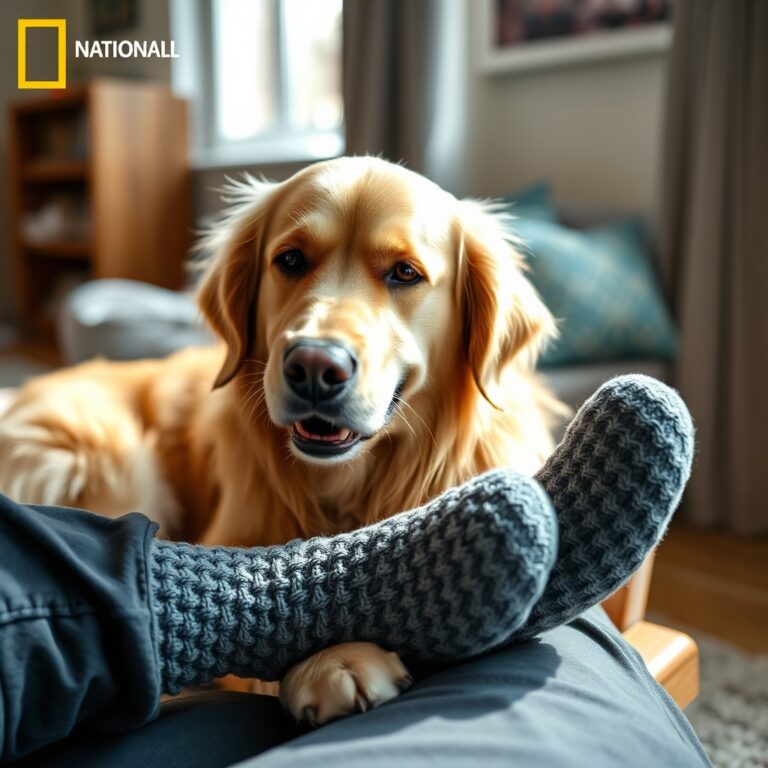


If you have ever caught your dog happily licking the living room throw blanket for ten minutes straight, you know how hypnotic and slightly bizarre the habit can look. While it often starts as a simple, rhythmic way for your pup to unwind, that endless obsession with fabric is usually a subtle message about what is going on beneath the surface—from everyday boredom to hidden health needs.
Dogs lick blankets primarily to soothe themselves, relieve anxiety, explore interesting tastes, or cope with boredom and underlying gastrointestinal issues. This repetitive action triggers the release of calming hormones in a dog’s brain, making it a highly reinforcing behavior that can easily turn into a habit if left unaddressed.
The Psychology and Science Behind Blanket Licking
To stop the behavior, you first need to understand what is driving it. Licking is a natural canine instinct that begins at birth, when mothers lick their puppies to clean them and stimulate breathing. As dogs mature, licking remains a primary tool for interaction and self-regulation.
1. Stress Relief and Self-Soothing
When a dog licks a soft surface like a fleece blanket, their brain releases endorphins, which are feel-good chemicals that help lower heart rates and reduce cortisol levels. If your dog licks blankets before bed, or during stressful events like thunderstorms, fireworks, or when guests arrive, they are likely using the fabric as an emotional pacifier.
2. Sensory Exploration and Food Traces
Dogs navigate the world through taste and smell. Blankets are incredibly porous and trap tiny particles of food, sweat, skin cells, and laundry detergents. What looks like a clean blanket to you might smell like a gourmet feast to your dog, especially if you recently ate snacks on the couch or washed the bedding with a highly scented detergent.
3. Boredom and Lack of Stimulation
An under-stimulated dog will find creative ways to burn off excess mental energy. Licking requires physical effort and focus. If your dog does not receive enough daily exercise, interactive toys, or social interaction, they may turn to blanket licking simply to pass the time.
4. Medical Causes and Nausea
In some cases, blanket licking points to a medical concern. Gastrointestinal issues, acid reflux, or mild nausea can prompt a dog to lick rough or soft surfaces in an instinctual attempt to clear their throat or settle their stomach. Additionally, a compulsive condition known as Pica can drive dogs to lick, chew, or consume non-food items.
How to Stop Your Dog from Licking Blankets
Addressing this behavior requires a proactive training approach rather than punishment. Here is a step-by-step action plan to redirect your dog’s focus and protect your bedding.
Step 1: Eliminate the Sensory Triggers
Wash your blankets regularly with pet-safe, unscented detergents to remove enticing sweat and food odors. Keep your blankets folded and out of reach when not in use. If your dog cannot access the blanket, they cannot build the habit.
Step 2: Provide Appropriate Licking Outlets
Do not try to stop the licking instinct entirely; instead, redirect it to an appropriate object. Introduce lick mats spread with pet-safe peanut butter, plain Greek yogurt, or wet dog food. Freezing these mats increases the challenge and extends the soothing experience.
Step 3: Increase Mental and Physical Exercise
Add 15 minutes of structured play, obedience training, or puzzle games to your dog’s daily routine. A tired dog is a quiet dog who is far less likely to seek out repetitive behaviors for entertainment.
Common Mistakes to Avoid
- Scolding or Punishing: Yelling at your dog for licking will only increase their anxiety, which in turn fuels the urge to lick to calm down.
- Using Bitter Sprays Excessively: While deterring sprays can work, they do not solve the root emotional cause. If you do not resolve the anxiety or boredom, your dog will simply find another object to lick.
- Ignoring the Blanket Material: Some dogs ingest fibers while licking, which can lead to a dangerous intestinal blockage. Monitor the blanket for thinning spots or loose threads.
When to Consult a Veterinarian
You should seek professional veterinary advice if the blanket licking becomes obsessive, is difficult to interrupt, or is accompanied by other physical symptoms. Watch for signs of lethargy, vomiting, diarrhea, lip-smacking, or eating grass, as these strongly indicate gastrointestinal discomfort. Your vet can rule out clinical issues like acid reflux or cognitive decline in senior dogs, and can refer you to a certified veterinary behaviorist if necessary.
Frequently Asked Questions
Can blanket licking be a sign of a nutrient deficiency?
Yes, in some cases. A dog lacking specific minerals in their diet may attempt to find them by licking diverse surfaces, a behavior closely related to Pica. Ensure your dog is eating a complete and balanced diet approved by your vet.
Why does my dog lick the blanket and then dig at it?
This is a combination of nesting behaviors and self-soothing. Dogs naturally dig to create a comfortable sleeping spot, and they may lick the area to clean it or soothe themselves before settling down for a nap.
Should I let my dog lick my blankets?
Occasional, brief licking is generally harmless as long as your dog isn’t swallowing fibers or showing signs of distress. However, if the behavior becomes obsessive or destructive, it is best to redirect them to a safe chew toy or lick mat.