

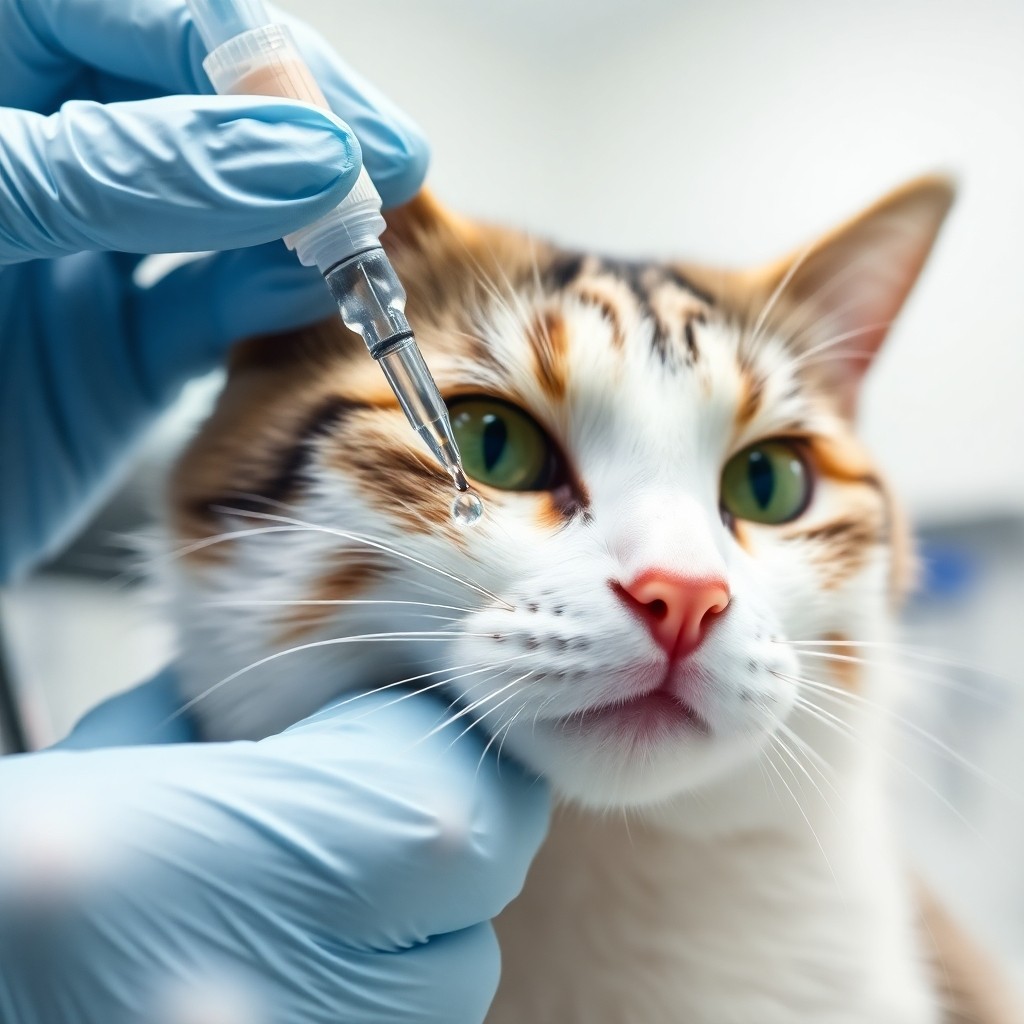
If your cat is constantly shaking its head and scratching its ears, a microscopic parasite is likely to blame. These tiny invaders, known scientifically as *Otodectes cynotis*, cause severe irritation and rank among the most stubborn dermatological issues in felines worldwide. Clearing them out requires a targeted approach, and modern veterinary medicine relies on advanced macrocyclic lactones to get the job done effectively.
Feline ear mite infestations are highly treatable parasitic conditions, with topical selamectin and spot-on moxidectin serving as the premier, FDA-approved veterinary treatments. Both options eliminate the active mites systemically and topically, though their exact absorption rates, application frequencies, and secondary parasite coverage differ slightly.
Understanding the Feline Ear Mite Threat
Ear mites colonize the external ear canal of cats, feeding on epidermal debris and tissue fluids. This feeding activity triggers a hypersensitivity reaction, leading to intense pruritus, inflammation, and a characteristic dark, crusty discharge resembling coffee grounds. If left untreated, chronic scratching can rupture delicate blood vessels in the pinna, causing an aural hematoma, or lead to secondary bacterial and yeast otitis externa.
For owners, this means that simple ear cleaning is never enough. While removing the debris is necessary for comfort, true eradication requires a veterinary-grade parasiticide that interrupts the mite’s 21-day life cycle. Because these parasites spread rapidly through direct contact, international veterinary guidelines recommend treating all susceptible pets in the household simultaneously (CAPC).
Pharmacological Profiles: Selamectin vs. Moxidectin
Both active ingredients belong to the macrocyclic lactone class of parasiticides, yet they exhibit distinct chemical structures and pharmacokinetics inside the feline body.
Topical Selamectin
Selamectin is an avermectin compound formulated for monthly topical application. Upon application to the skin, selamectin is rapidly absorbed systemically into the bloodstream. From the circulation, it is selectively redistributed to the sebaceous glands and skin surface, where it delivers a sustained dose to the feeding mites. Selamectin works by selectively binding to glutamate-gated chloride channels in the parasite’s nervous system, causing paralysis and eventual death.
Spot-On Moxidectin
Moxidectin is a second-generation milbemycin derivative, commonly co-formulated with imidacloprid to enhance insecticidal action. Moxidectin is highly lipophilic, meaning it dissolves efficiently in body fat. After transdermal absorption, it distributes throughout the body tissues and remains in the systemic circulation for an extended period. Like selamectin, it targets glutamate-gated chloride channels but exhibits a higher binding affinity in some parasite species, allowing for highly potent microfilarial and ectoparasitic clearance.
Clinical Protocols and Comparison
Choosing between these two treatments depends on the age of the patient, the severity of the infestation, and secondary parasite control needs (such as heartworm prevention or flea control).
For owners, this means that while both drugs will successfully clear ear mites, one might be more appropriate if your cat also needs protection against lungworms, hookworms, or roundworms at the same time.
| Clinical Parameter | Topical Selamectin Protocol | Spot-On Moxidectin Protocol |
|---|---|---|
| Primary Drug Class | Avermectin | Milbemycin (often paired with Imidacloprid) |
| Mechanism of Action | Glutamate-gated chloride channel agonist | High-affinity glutamate-gated channel agonist |
| Standard Dosage | 6 mg/kg (minimum dose) | 1.0 mg/kg Moxidectin / 10 mg/kg Imidacloprid |
| Efficacy Rate (O. cynotis) | >95% after a single topical dose | >98% after a single topical dose |
| Minimum Age Requirement | Safe for kittens 8 weeks and older | Safe for kittens 9 weeks and older |
| Dosing Interval | Single dose; repeat in 30 days if infestation is severe | Single dose; repeat in 30 days if infestation is severe |
Step-by-Step Application Protocol
For these systemic topical treatments to work effectively and safely, correct application is vital. Follow these steps carefully:
- Clear the debris: If the ear canal is heavily occluded with dark discharge, gently cleanse the outer ear with a veterinarian-approved otic solution. Avoid using cotton swabs deep inside the canal, as this can compress debris against the tympanic membrane.
- Part the hair: Part the fur at the base of the skull, directly on the back of the neck. This specific location prevents the cat from grooming and licking the wet medication.
- Apply directly to the skin: Squeeze the applicator tube directly onto the skin. Do not apply the liquid to the hair coat, as this significantly reduces systemic absorption.
- Keep dry and separate: Keep the application site dry for at least 2 hours (for selamectin) or up to 24 hours (for moxidectin). If you live in a multi-pet home, separate treated cats until the application site is completely dry to prevent mutual grooming.
Safety Warnings and Veterinary Escalation Points
While both compounds boast wide safety margins, certain clinical signs warrant immediate veterinary intervention. Always inspect the ears before applying medications. If the cat displays a head tilt, loss of balance, or rapid, involuntary eye movements (nystagmus), the tympanic membrane (eardrum) may be ruptured. In these cases, putting any liquid or cleaner into the ear canal can cause permanent neurological damage or deafness.
For owners, this means that if your cat seems dizzy, is leaning to one side, or is painful around the ears, you must seek a professional veterinary otoscopic exam before starting any home application protocol.
References
- Companion Animal Parasite Council (CAPC). ‘Ectoparasites: Otodectes cynotis.’
- European Scientific Counsel Companion Animal Parasites (ESCCAP). ‘Control of Ectoparasites in Dogs and Cats: Guidelines for Treatment of Otodectes cynotis.’
- American Animal Hospital Association (AAHA). ‘Veterinary Therapeutic Guidelines for Parasitic Miticide Applications.’