
1. Introduction: The Brussels Griffon — A Big Personality in a Small Package
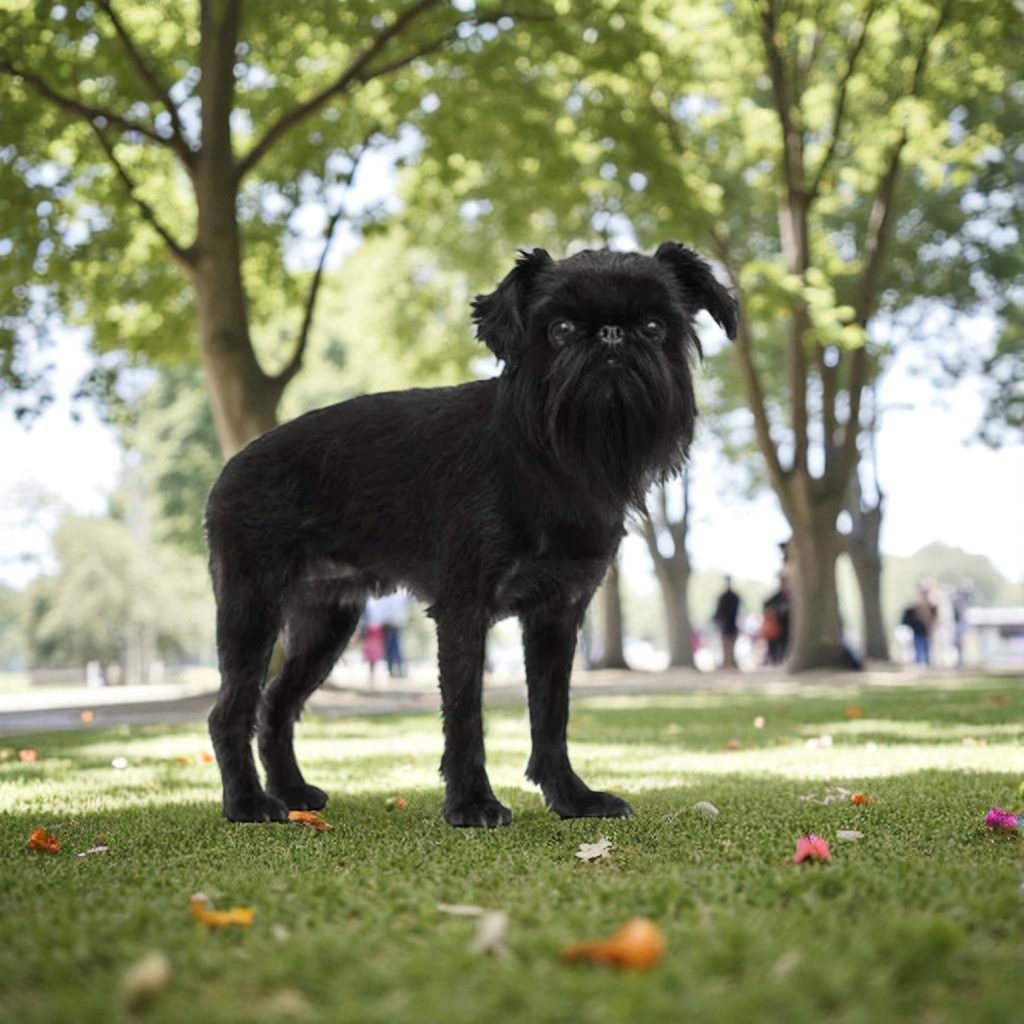
The Brussels Griffon, with its distinctive human-like facial expression and bearded visage, is a breed that combines a captivating appearance with a huge, fearless, and loyal personality. Despite their miniature size, these dogs possess an incredibly wise gaze and seem to understand everything around them. Owners often refer to them as “Velcro dogs” due to their strong need to be constantly close to their people. They form exceptionally strong bonds with their owners, making them ideal companions for those seeking a devoted friend.
A central challenge for prospective and current Griffon owners is how to properly channel their intelligence and energy. Sources consistently note that Brussels Griffons are smart and trainable dogs who are quick to learn commands. At the same time, they are also known for their stubbornness, strong will, and even manipulative tendencies. This seeming contradiction is key to understanding the breed. Training such a pet is not just about a set of commands, but a deep exploration of their character, requiring patience, consistency, and an approach based exclusively on positivity.
2. Understanding the Griffon Temperament and Its Impact on Training
2.1. The Duality of Intelligence and Stubbornness: A Nuanced View on Trainability
Data from various sources confirms that the Griffon is a breed with a high degree of intelligence that is easy to train. However, these same sources report their stubbornness and strong will. From an owner’s perspective, this can be discouraging: if the dog is so smart, why won’t it listen? Expert analysis reveals that this is not a contradiction but two sides of the same coin. Their high intelligence allows them not only to learn but also to make their own decisions. Their stubbornness is often not a sign of a lack of understanding, but a result of a strong will. A Griffon may know exactly what is required of it but will refuse to perform the command if it doesn’t believe the reward is worth the effort. Thus, training a Brussels Griffon is a shift from compulsion to motivation.
This breed will perform actions, but only if it deems them worthwhile. Owners often say that the dog will do anything, but only if it feels like it. This principle is at the heart of successful interaction. The trainer must find what motivates the pet the most, whether it’s a high-value treat like roast chicken or simply praise and play. This explains why owners emphasize that “you get out what you put in”. The higher the value of the reward and the more consistent the owner, the more responsive and obedient the Griffon becomes.
2.2. A Sensitive Soul: The Absolute Necessity of Positive Reinforcement
Brussels Griffons have a very sensitive nature. This means they do not respond well to harsh or aversive training methods. Attempts to use severe corrections can cause the dog to “shut down” or, conversely, act out with undesirable behaviors. This connection between harsh methods and a negative reaction is a key point.
A sensitive pet that encounters fear or stress will not learn effectively. Instead, it may become withdrawn, anxious, or begin to exhibit aggressive behavior, such as reactive barking, to cope with the situation. Therefore, for this breed, an approach based on positive reinforcement is not just a preference but a mandatory condition for building a trusting relationship. A “positive vibe” and the use of food, praise, and games to reward desired behavior is the only path that leads to a confident, responsive, and happy companion.
Brussels Griffon Training & Temperament at a Glance
| Trait | Owner Consensus & Expert Analysis | Impact on Training & Socialization |
| Intelligence | Highly intelligent and a quick learner. | Excels at tricks and obedience. Requires mental stimulation to prevent boredom and destructive behaviors. |
| Stubbornness | Can be very strong-willed; requires consistency and patience. | Training is a negotiation, not a demand. Success depends on high-value rewards and making the task fun. |
| Sensitivity | Responds poorly to harsh corrections; can “shut down”. | Mandates a purely positive reinforcement approach with praise and treats. Fear-based methods are counterproductive. |
| Companionship | “Velcro dogs” who form strong bonds and can develop separation anxiety. | Best suited for homes where they are not left alone for long periods. Crate training is highly recommended to build security. |
3. The Blueprint for Successful Training: Foundational Principles
For successful Brussels Griffon training, adherence to firm yet positive principles is necessary. These methods not only teach commands but also reinforce the trust bond between you and your dog.
Positive Reinforcement in Action
Positive reinforcement is not just a method; it is a philosophy that builds a strong and trusting bond between the dog and its owner. Instead of punishing mistakes, it focuses on rewarding desired behaviors. For a Brussels Griffon, this means using high-value rewards like pieces of roast chicken, cheese, or special treats. When a puppy performs a command or exhibits a desired behavior, it is instantly “marked” with praise (“good boy!”) and a treat. This creates a clear and pleasant association: correct behavior leads to enjoyable results, which in turn motivates the dog to repeat it.
Consistency and Routine
Because Griffons are intelligent and capable of making their own decisions, they may try to “establish their own rules” if their upbringing is inconsistent. The key to success is to create a clear and predictable structure. This applies not only to commands but also to the daily routine. Using the same verbal and non-verbal cues by every family member helps to avoid confusion. A consistent schedule for feeding, walks, and play also contributes to the dog’s confidence, which is especially important for house training.
4. Early and Ongoing Socialization: Building a Confident Companion
Socialization is the cornerstone of developing a well-adjusted Griffon temperament. Without planned and positive exposure to the world, this sensitive breed can develop anxiety or become excessively timid.
4.1. The Critical Window for Socialization
Socializing a Brussels Griffon puppy should begin as early as possible. This is a crucial stage to help them grow into a well-rounded, confident, and sociable adult. Without early socialization, these dogs can become extremely shy or anxious in new situations.
4.2. A Gradual and Positive Approach to New Experiences
The Griffon’s small size and sensitive nature make it prone to fear of strangers, other animals, and loud noises. Owners often report that their puppies seem terrified of the world. This fear is often a direct reaction to a lack of controlled, positive exposure to the environment. The right approach to socialization is not just about taking the puppy outside more often, but about methodically introducing it to new stimuli while creating positive associations.
The owner’s role is to act as a calm and reliable base. Introductions should be slow and always accompanied by a reward. For example, if the puppy sees a stranger, it receives a treat. If it hears a new sound, it is praised. This approach allows the puppy to learn that the world is not scary but is full of pleasant things.
The Socialization Checklist:
- Various people: Introduce the puppy to people of different ages, genders, and appearances who behave calmly and kindly.
- New sounds: Systematically introduce various sounds, such as traffic, household noises, and sirens.
- Different surfaces: Allow the puppy to walk on grass, tile, pavement, and other surfaces so it becomes accustomed to them.
- Other animals: Provide controlled, positive interaction with other vaccinated and well-behaved dogs.
5. Mastering Common Training Challenges: Expert Strategies
While Brussels Griffons are intelligent, their sensitivity and strong will can lead to several behavioral issues. Effectively managing these challenges requires patience and an understanding of their root causes.
Common Brussels Griffon Behavioral Challenges & Solutions
| Challenge | Root Cause | Expert Solutions |
| House Training | Small bladder, tendency for accidents indoors. | Implement a strict, consistent routine, reward successes, and use positive crate training. |
| Excessive Barking | Alert nature, sensitivity to sounds, demand for attention. | Redirect attention, desensitize to triggers, and provide sufficient physical/mental stimulation. Avoid yelling, as the dog may interpret it as “barking with them”. |
| Shyness/Anxiety | Lack of early, positive socialization, strong attachment. | Engage in gradual, controlled exposure to new people, animals, and environments. Use positive training for separation anxiety. |
| Leash Pulling | Strong will and determination. | Start leash training early , using positive reinforcement and high-value rewards , making walks engaging and rewarding. |
5.1. House Training: The Patience Game
One of the most frequently mentioned challenges for Brussels Griffons is house training. The true reason lies in their physiological characteristics: Griffons have a small bladder and physically cannot hold it as long as larger dogs can. This places the responsibility on the owner to create an almost perfect routine.
The key to success is pre-emption. A strict and frequent schedule for potty breaks, especially after waking up, eating, and playing, is mandatory. Owners with successful experience recommend using tethering or crate training. The crate becomes a “safe space/bed” for the dog that it will not want to soil, which naturally accelerates the process.
5.2. Managing Excessive Barking: From Alert to Quiet
Griffons are prone to barking as they are naturally “alert” dogs. They bark to warn of approaching people, unfamiliar sounds, or to demand attention. Attempts to yell at the dog to “be quiet!” can be counterproductive, as the Griffon may perceive it as the owner “barking with it”.
A comprehensive approach includes several steps:
- Redirection of attention: Distract the dog with a high-value treat before the barking escalates.
- Desensitization: Gradually acclimate the dog to the triggers that cause barking. For example, one can sit with the dog at a distance from a trigger, and when the dog calms down and stops barking, give it a treat.
- Mental and physical stimulation: A tired dog is a quiet dog. Regular walks and games with puzzles will help channel the Griffon’s energy constructively.
5.3. Crate Training and Combating Separation Anxiety
Brussels Griffons are very attached to their owners and do not tolerate being left alone well. Positive crate training is a key tool for solving this problem. Instead of being a place of punishment, the crate should become a safe and comfortable den where the dog feels secure. This helps the Griffon learn to cope with temporary separation and reduces its stress level.
6. Beyond the Basics: Activities for an Energetic Mind
Physical activity for the Brussels Griffon requires a careful approach due to its brachycephalic structure. Active sessions must be balanced with mental stimulation to maintain mental health.
6.1. Daily Exercise Needs: Balancing Energy and Health
Griffons are a brachycephalic breed, meaning they have a short and flat face, which makes them more prone to overheating and breathing problems. The expert recommendation is not to stick to a specific number of minutes but to observe the dog and the environmental conditions. The recommended minimum daily activity is
30–45 minutes of walks and play.
In hot or humid weather, even a short walk can be dangerous. The owner must monitor for signs such as heavy panting or slowing down and be ready to shorten or stop the walk. They are better suited to walking than running and enjoy climbing.
Brussels Griffon Exercise: Balancing High Energy with Physical Limitations
| Type of Activity | Benefits | Key Considerations |
| Daily Walks | Provides physical exercise and mental stimulation from new sights and smells. | Limit duration and avoid extreme heat/humidity due to brachycephalic nature. |
| Indoor Play | Excellent for burning energy and bonding. | Good for days with bad weather. Use puzzle toys and games to engage their intelligence and prevent boredom. |
| Advanced Sports | Great for putting their intelligence and athleticism to use. | Agility is a good fit, but monitor for signs of overheating. Ensure activities are low-impact to protect their joints. |
| Mental Stimulation | Tires them out just as much as physical activity. | Incorporate puzzle feeders, new tricks, and scent games into daily routines. |
6.2. Mental Stimulation: The Key to a Balanced Griffon
In addition to physical walks, Brussels Griffons require significant mental stimulation. Their high intelligence means that boredom can easily lead to destructive behavior. Mental activity can tire a dog out just as effectively as physical activity.
Including puzzle games, interactive toys, and regular training of new tricks in the daily routine helps keep their minds sharp and prevents the development of unwanted habits. Due to their intelligence and agility, Griffons can excel in dog sports like agility or obedience if the owner consistently motivates them and makes the activities fun.
7. A Lifelong Partnership: Health, Wellness, and Care Considerations
Maintaining the optimal health and appearance of the Brussels Griffon requires a proactive approach to care and nutrition, as the breed is prone to specific issues.
7.1. Proactive Health Management
Health and training are closely linked. An unhealthy dog will have low energy and be unable to focus effectively on learning. Brussels Griffons, like many small breeds, are predisposed to certain health issues, including:
- Dental diseases: Due to the structure of their jaws, their teeth can be crowded, which promotes tartar buildup and the development of diseases. Daily tooth brushing is mandatory.
- Orthopedic problems: Patellar luxation and hip dysplasia can cause pain and affect the dog’s ability to move.
- Eye problems: Due to their large and prominent eyes, Griffons are susceptible to injuries, cataracts, and progressive retinal atrophy.
Therefore, regular veterinary check-ups, daily dental care, and attention to signs of discomfort are an integral part of the partnership.
7.2. Grooming and Diet
Griffons are prone to obesity, so owners must carefully monitor their diet and portions. Excess weight not only shortens their lifespan but also puts extra strain on their joints. It is recommended to use high-quality dry food for small breeds, and the daily allowance should be divided into 2–3 small meals.
Regular grooming is also important: rough-coated Griffons need stripping 2–3 times a year , while smooth-coated ones need frequent brushing to remove dead hair. The beard and mustache require daily combing to prevent tangling.
8. Conclusion: The Unparalleled Joy of a Well-Trained Brussels Griffon
The training and socialization of a Brussels Griffon is a journey that requires patience, understanding, and, above all, love. Embracing its unique combination of intelligence, stubbornness, and sensitivity and using exclusively positive methods paves the way for a strong and reliable bond. This approach helps to overcome common behavioral problems, such as barking and house training difficulties, and channels the pet’s energy constructively. Ultimately, a well-trained and properly socialized Brussels Griffon becomes not just a pet but a fearless, devoted, and incredibly charming family member who brings unparalleled joy to its owner’s life.