
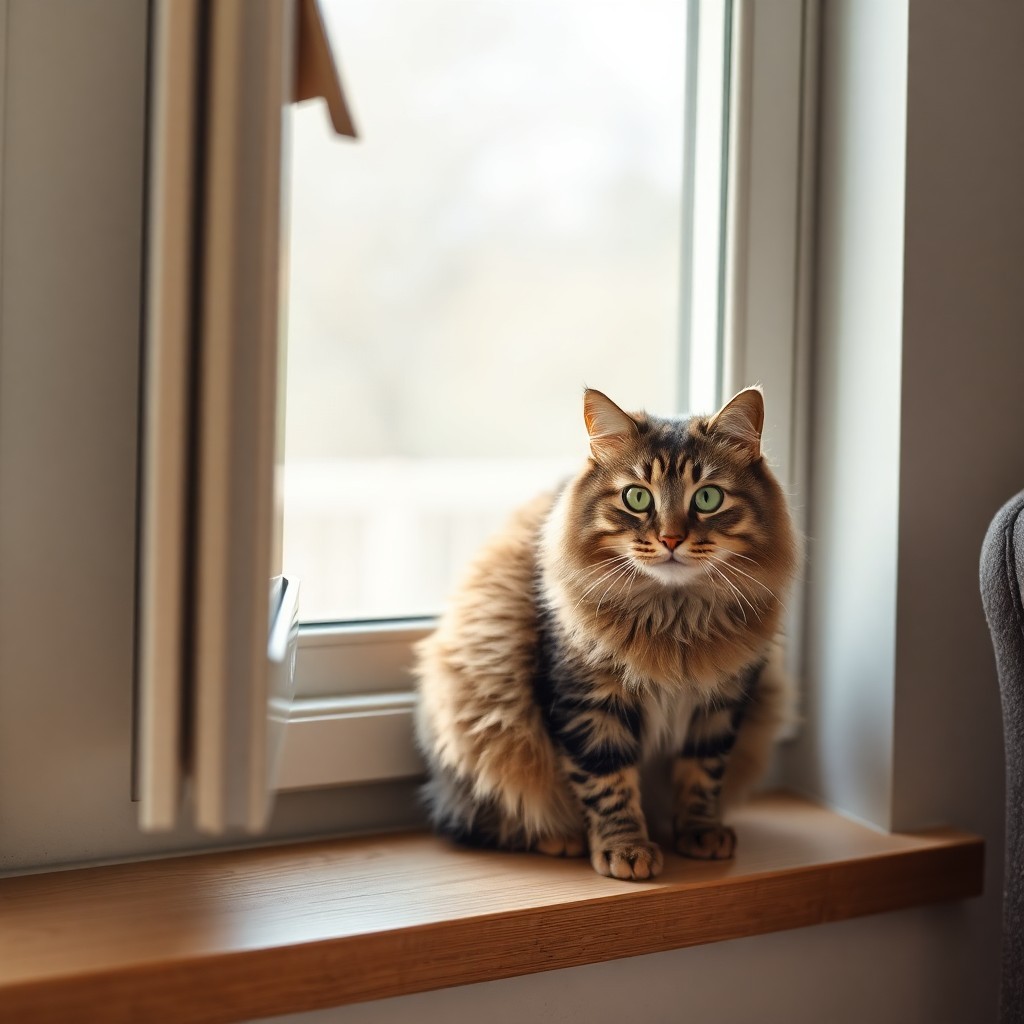
A cracked window on a warm afternoon seems harmless enough, especially when your cat is simply sitting on the sill, soaking in the breeze and watching the birds outside. Yet that small gap can instantly turn into a hazard the second a sudden noise startles them or a flying insect catches their eye. Balancing your cat’s love for fresh air with their safety requires looking beyond standard screens and understanding just how quickly a peaceful view can lead to an emergency.
No, it is generally unsafe to leave an unsecured window open for a cat, as they can easily fall, escape, or get trapped. Even small openings or standard flexible insect screens are not strong enough to withstand a cat’s weight, sharp claws, or sudden hunting instincts when they spot a bird or insect.
Quick Facts: Cats and Open Windows
- High-Rise Syndrome: Cats do not always land on their feet; falls from even second-story windows can cause severe, life-threatening injuries.
- Insect Screens Are Not Pet Screens: Standard fiberglass mesh screens rip easily under a cat’s claws or pop out of the frame entirely when leaned on.
- Tilted Windows (Kipp Windows): Double-hung or tilt-and-turn windows left open at an angle are notorious traps where cats can get wedged and suffocate.
- Outdoor Hazards: An escaped cat faces immediate dangers, including heavy traffic, stray animals, toxic plants, and getting lost.
The True Risks of Unsecured Windows
Understanding why open windows are dangerous helps pet parents implement the right safety measures. Here are the primary hazards associated with open windows and curious felines.
High-Rise Syndrome is a Real Threat
Veterinarians use the term ‘High-Rise Syndrome’ to describe injuries sustained by cats that fall from windows, balconies, or other high elevations. While cats have an impressive righting reflex, this reflex is not foolproof. Falls from the second to fourth floors often result in severe trauma, including fractured jaws, broken limbs, collapsed lungs, and internal bleeding. Curiously, falls from slightly higher floors sometimes result in fewer severe injuries because the cat has time to spread its body like a parachute, but any fall can be fatal.
The Instinctual Prey Drive
Even the most well-behaved, indoor-only cat can lose all sense of caution when a bird, butterfly, or squirrel flies past the window. This sudden spike in prey drive can cause a cat to leap forward without realizing there is no solid ground beneath them. They do not comprehend the height or the danger; their focus is entirely on the prey.
The Danger of Tilted or ‘Kipp’ Windows
In many modern homes, windows tilt open from the top for ventilation. Many owners believe this is a safe way to let air in while keeping the cat inside. Unfortunately, these tilted windows are incredibly dangerous. If a cat tries to squeeze through the V-shaped opening at the top, they can easily slip down into the narrowest part of the wedge. Once stuck, the cat’s struggle causes them to slip deeper, cutting off circulation to their hindquarters or compressing their chest, which leads to organ failure or suffocation within minutes.
How to Safely Vent Your Home Without Risking Your Cat
You do not have to keep your home sealed shut forever. There are several highly effective ways to enjoy fresh air while keeping your cat completely secure.
1. Upgrade to Heavy-Duty Pet Screens
Standard window screens are designed to keep insects out, not to keep heavy, clawed pets in. If you want to leave your window wide open, replace standard mesh with heavy-duty pet screens. These are made of durable vinyl-coated polyester, which is up to seven times stronger than traditional screens. Ensure the screen is securely screwed or locked into the window frame so it cannot be pushed outward by a heavy cat.
2. Install Window Restrictors and Locks
Window restrictors are simple metal or plastic devices that limit how far a window can open. By setting a restrictor to limit the opening to less than two inches (five centimeters), you can enjoy fresh air while ensuring the opening is far too narrow for even a kitten’s head to squeeze through. If a cat’s head can fit through an opening, its entire body can usually follow.
3. Use Tilted Window Guards
If you have tilt-and-turn windows, you can purchase specially designed metal grids or guards that cover the triangular gaps on the sides and top of the window when it is tilted open. These guards prevent your cat from reaching the dangerous wedge, allowing you to ventilate your home safely.
4. Set Up a Window Catio or Mesh Box
For the ultimate sensory experience, you can install a window catio. These are secure, mesh-enclosed boxes that fit into your window frame, extending outward. They allow your cat to step ‘outside’ safely to enjoy the breeze, watch birds, and bask in the sun without any risk of falling or escaping.
Frequently Asked Questions
Can a cat survive a fall from a second-story window?
While some cats do survive falls from the second story, they almost always suffer moderate to severe injuries. These can include fractured legs, broken teeth, ruptured bladders, and internal bleeding. Never assume a low-height fall is safe; always seek immediate veterinary care if your cat falls.
Are window screens safe enough for cats?
Standard fiberglass insect screens are not safe for cats. They tear easily under claws and can pop out of the window frame if a cat leans its weight against them. Only heavy-duty pet screens secured tightly to the frame are safe.
How can I cool down my house safely if I have a cat?
You can use air conditioning, ceiling fans, or stand-alone fans with secure safety grates. If you want to open windows, use window restrictors to limit the opening to under two inches, or install certified pet-resistant screens and metal window guards.