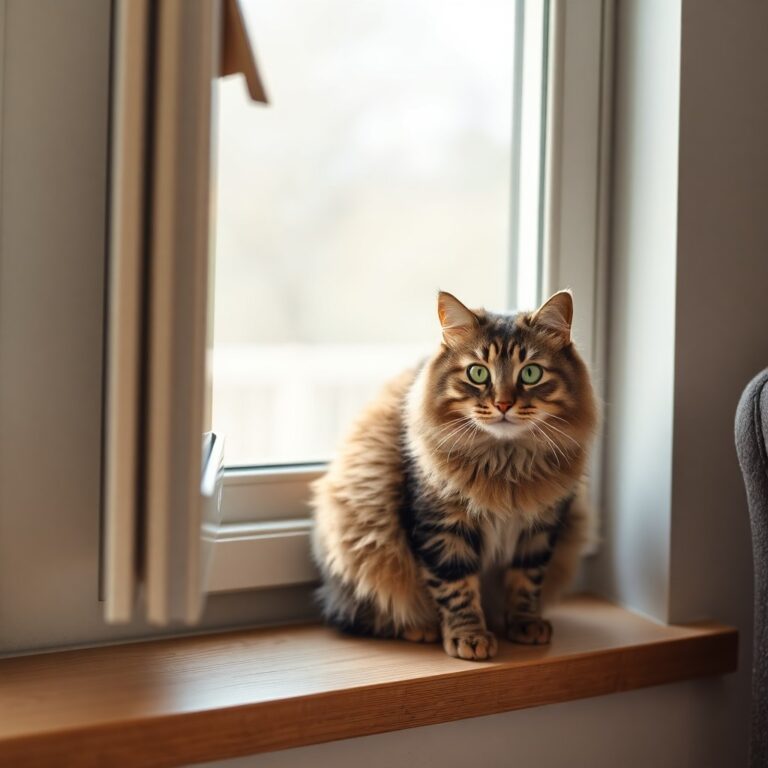

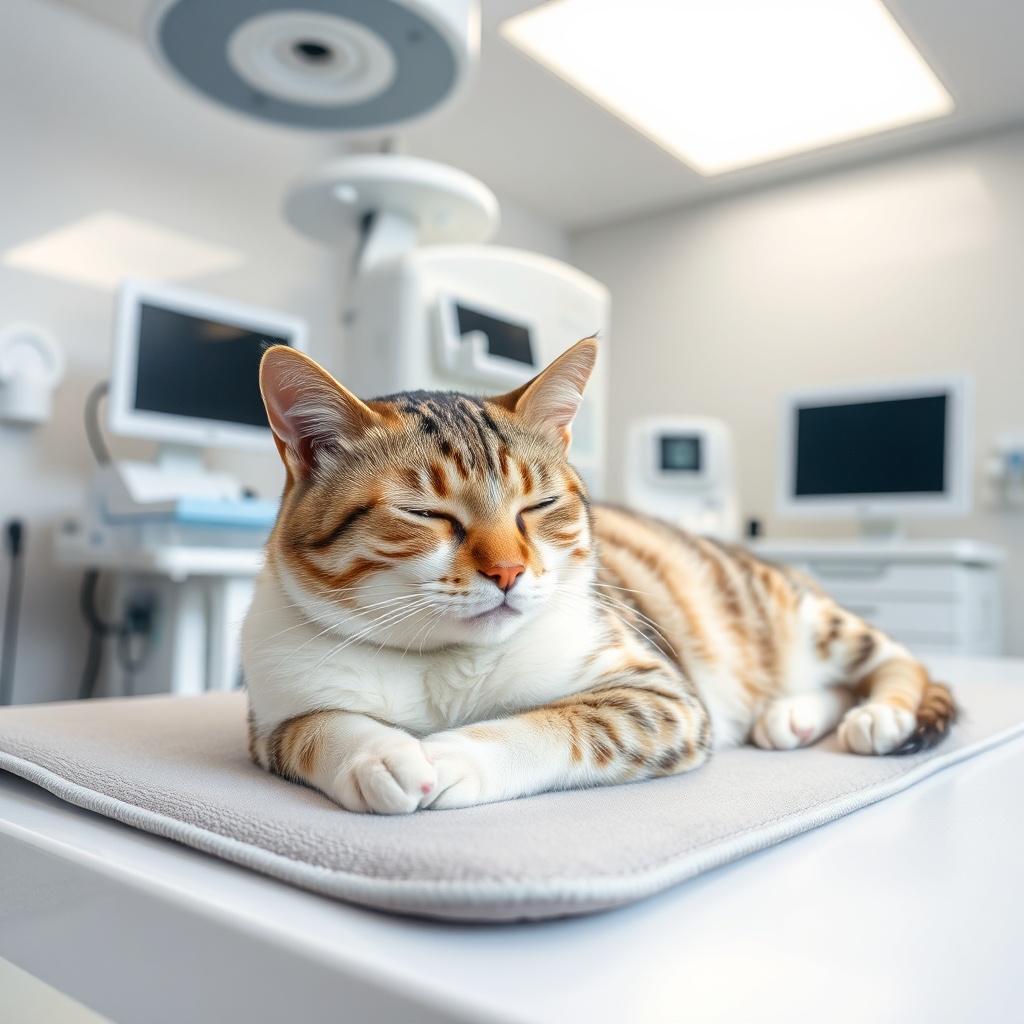
If your normally active cat suddenly seems glued to the couch for near-constant slumber, it’s completely natural for your protective instincts to kick in. Cats are already legendary for their sprawling, eighteen-hour nap schedules, but knowing where normal laziness ends and true lethargy begins is the secret to catching health issues before they escalate.
Most healthy cats sleep between 12 and 16 hours per day as an evolutionary adaptation to conserve energy for hunting. However, if a cat sleeps more than 16 hours, struggles to wake up, or shows signs of hiding, decreased appetite, or joint stiffness, it may indicate underlying conditions such as osteoarthritis, infection, or organ dysfunction.
The Evolutionary Biology of Feline Sleep
To understand feline sleep, one must look at the evolutionary history of wild felids. Cats are crepuscular predators, meaning they are naturally most active during the twilight hours of dawn and dusk. This survival strategy aligns with the natural activity patterns of their primary prey, such as small rodents and birds.
Hunting requires short, intense bursts of explosive energy rather than sustained endurance. A stalk-and-pounce sequence consumes high levels of adrenaline and muscular power. To offset this metabolic expenditure, cats spend the majority of their day resting. Even domestic cats who do not have to hunt retain this biological programming.
Furthermore, feline rest is categorized into two distinct phases:
- The Cat Nap (Light Sleep): Approximately 70% of a cat’s sleep consists of slow-wave light sleep. During this phase, the cat remains highly sensitive to olfactory, auditory, and tactile stimuli. The ears may twitch, and the body can spring into action instantly if threat or opportunity arises.
- Deep REM Sleep: The remaining 30% is characterized by deep rapid eye movement (REM) sleep. This is where muscle twitching, whisker movement, and dreaming occur. This phase is crucial for cognitive processing and physiological recovery.
Sleep Baselines Across Different Life Stages
Sleep requirements are not static; they shift significantly as a cat progresses from kittenhood to old age. Establishing a baseline for your cat’s specific life stage is the first step in identifying abnormal behavior patterns.
Veterinary wellness guidelines from the American Association of Feline Practitioners (AAFP) emphasize that monitoring changes against an individual’s normal baseline is more informative than comparing one cat to another. Below is a diagnostic table outlining normal sleep targets by life stage:
| Life Stage | Average Daily Sleep Range | Key Physiological Characteristics |
|---|---|---|
| Kittens (0-6 months) | 18 – 22 hours | Growth hormone release occurs primarily during deep sleep. Intense bursts of play are followed by immediate, deep slumber. |
| Adults (1-10 years) | 12 – 16 hours | Stable crepuscular schedule. Sleep is highly influenced by household routine, environmental enrichment, and feeding times. |
| Seniors (11+ years) | 15 – 18 hours | Natural decline in metabolic rate. Sleep increases, but the quality of sleep can be disrupted by age-related systemic issues. |
Recognizing When Sleep Is a Sign of Illness
The core challenge for any pet owner is distinguishing between a deeply relaxed cat and a lethargic, sick cat. Clinical lethargy is not just sleeping longer; it is characterized by a lack of mental alertness, decreased responsiveness, and a general lack of energy when awake.
For owners, this means observing how the cat behaves during their typical active windows. If a cat fails to wake up for their favorite food, ignores family members returning home, or no longer shows interest in environmental stimuli, this points toward a medical issue rather than simple fatigue.
When evaluating a sleeping cat, monitor for these specific clinical indicators of pain or disease:
- Hiding in Unusual Places: Sick cats instinctively seek out dark, low, or secluded locations to hide, as a defense mechanism against potential predators when they feel vulnerable.
- Appetite and Hydration Changes: A healthy sleeper will still maintain their regular appetite. Sudden weight loss, refuse to eat, or a dramatic increase/decrease in water consumption are red flags.
- Postural and Mobility Indicators: Stiff posturing, hesitation before jumping, or keeping the head tucked down while resting can indicate localized discomfort or chronic joint pain.
- Altered Grooming Habits: A sick or painful cat often neglects grooming, leading to a dull, unkempt, or matted coat. Conversely, over-grooming a specific spot can point to localized pain or dermatitis.
Common Medical Conditions That Cause Excessive Sleeping
If clinical lethargy is confirmed, several common systemic health conditions may be the root cause. Veterinarians utilize comprehensive diagnostic screening to rule out these specific medical issues:
1. Osteoarthritis and Chronic Pain
As cats age, joint degeneration becomes highly prevalent. According to the American Animal Hospital Association (AAHA), degenerative joint disease affects a vast majority of senior cats. Because cats hide pain exceptionally well, their primary coping mechanism is simply moving less and sleeping more to avoid joint discomfort.
2. Chronic Kidney Disease (CKD)
CKD is a common diagnosis in aging feline patients. As the kidneys lose the ability to filter metabolic waste products, toxic compounds build up in the bloodstream. This buildup, known as uremia, causes nausea, malaise, and profound lethargy, leading to increased sleeping times.
3. Anemia
Anemia, which is a low red blood cell count, results in poor oxygen delivery to the body’s tissues. Without sufficient oxygenation, cats experience weakness, rapid breathing, and a significant drop in stamina, causing them to sleep continuously to preserve energy.
4. Systemic Infections and Fever
Feline Immunodeficiency Virus (FIV), Feline Leukemia Virus (FeLV), urinary tract infections, or localized abscesses can trigger an immune response. The body redirects all available energy toward fighting the infection, which elevates the cat’s internal temperature and induces prolonged periods of deep sleep.
Action Plan: How to Assess and Monitor Your Cat
If you suspect your cat’s sleep patterns have crossed the line from normal to clinical, implement this systematic monitoring protocol before visiting the clinic:
First, log daily sleep duration and active periods for 48 hours. Note any changes in dietary habits, litter box usage, and interaction levels. Second, check for subtle behavioral changes: is the cat still climbing onto high surfaces? Are they vocalizing when touched? If you note any changes in these domains alongside increased sleep, schedule a veterinary consultation.
Seek emergency veterinary care immediately if the increased sleeping is accompanied by labored breathing, pale or blue gums, a complete refusal to drink water for over 24 hours, or sudden hind limb weakness.
References
American Animal Hospital Association (AAHA) Senior Care Guidelines.
American Association of Feline Practitioners (AAFP) Feline Life Stage Guidelines.
Frequently Asked Questions
Is it normal for a cat to sleep 20 hours a day?
While 20 hours of sleep can be normal for young kittens or very old seniors, it is generally excessive for a healthy adult cat. If an adult cat consistently sleeps 20 hours a day, it warrants a veterinary checkup to rule out systemic illnesses or chronic pain.
How do I tell if my cat is lazy or lethargic?
A lazy cat will still react eagerly to highly valued stimuli, such as a can of food opening, a laser pointer, or a favorite family member. A lethargic cat will remain unresponsive, sluggish, or uninterested in these same stimuli, even when awake.
Why does my cat sleep at my feet?
Sleeping near your feet is a behavior that offers security and warmth. It allows the cat to monitor your movements easily, ensuring they can react quickly if you get up, while still enjoying the biological safety of sleeping close to a trusted human companion.