

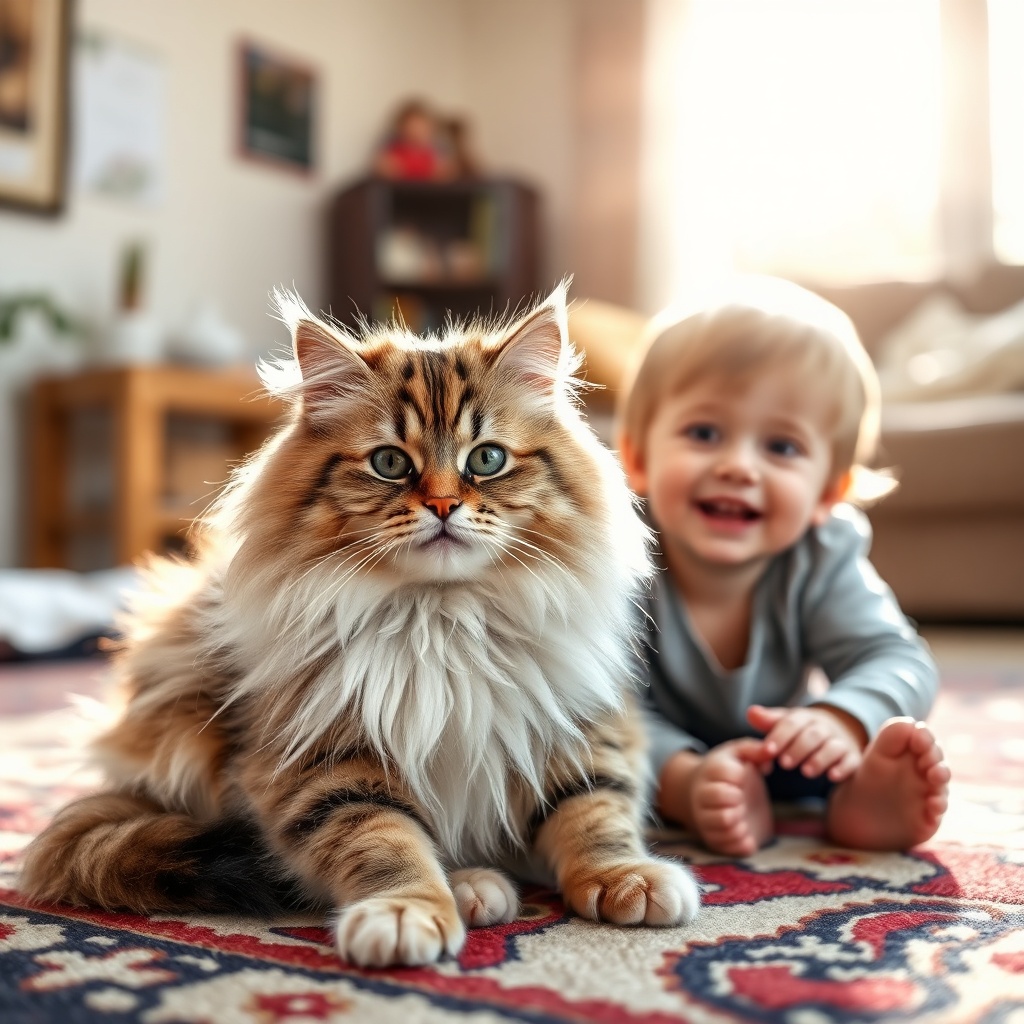
Few things break a child’s heart faster than falling in love with a kitten, only to find out a few days later that watery eyes and constant sneezing mean the pet has to go back. Yet welcoming a cat doesn’t have to trigger an immune flare-up, nor does it mean settling for an aloof pet. Certain breeds naturally produce fewer allergens while genuinely thriving in the busy, playful chaos of a family home, bridging the gap between a sniffle-free house and a deeply affectionate furry friend.
What is a hypoallergenic cat? While no cat is 100% allergen-free, hypoallergenic cat breeds are those that naturally produce much lower levels of the Fel d 1 protein—the primary trigger for human cat allergies—making them significantly safer for sensitive families.
Understanding Cat Allergies: The Fel d 1 Protein
Most people believe that cat hair causes allergies. However, the real culprit is a microscopic protein called Fel d 1, which is found in a cat’s saliva, urine, and dander (dead skin flakes). When cats groom themselves, they spread this protein onto their fur. Once the fur or dander sheds, it floats through the air and settles on furniture, carpets, and clothing.
For families with children, managing allergies is a top priority. Selecting a breed that produces less of this protein, combined with low-shedding coats, dramatically reduces the risk of allergic flare-ups while providing a playful, affectionate companion for your kids.
Top Affectionate and Hypoallergenic Cat Breeds
1. The Siberian
Despite their dense, triple-layered coat, Siberians are famous for producing exceptionally low levels of the Fel d 1 protein. They are massive, gentle giants with a dog-like loyalty. Siberians absolutely adore children and are sturdy enough to handle the energetic play of toddlers.
- Temperament: Highly affectionate, playful, adventurous, and incredibly patient.
- Grooming Need: Moderate; weekly brushing is required to prevent mats despite their low-dander status.
- Why they fit kids: Their calm, unflappable nature makes them highly tolerant of busy households.
2. The Balinese
Often referred to as the ‘long-haired Siamese’, the Balinese is a striking breed with a silky coat that rarely sheds. They are known to produce much less Fel d 1 than average felines. This breed is intensely social and thrives on human interaction.
- Temperament: Extremely vocal, loving, energetic, and deeply attached to their families.
- Grooming Need: Low; their single-layer coat does not mat easily.
- Why they fit kids: They love being involved in family activities and will often follow children from room to room.
3. The Devon Rex
With oversized ears and a short, wavy coat, the Devon Rex looks like a mythical creature and behaves like a tiny performer. They shed very little, meaning less allergen-laden hair is deposited around your living spaces.
- Temperament: Mischievous, highly social, active, and cuddly.
- Grooming Need: Very low; occasional wiping with a damp cloth is sufficient.
- Why they fit kids: They love learning tricks, fetching toys, and climbing onto shoulders to snuggle with their favorite humans.
4. The Sphynx
The Sphynx is the ultimate hairless cat. Because they have no fur to trap saliva during grooming, they do not distribute allergens around the home. However, they do require dedicated care to keep their skin healthy.
- Temperament: Incredibly affectionate, attention-seeking, and warm-bodied.
- Grooming Need: High; they require regular baths to remove natural skin oils that are normally absorbed by fur.
- Why they fit kids: They act like heat-seeking missiles, constantly looking for a warm lap or a child’s bed to cuddle in.
5. The Bengal
Bengals are striking, wild-looking cats with short, pelt-like coats. They require minimal grooming, which means they spread very little saliva-coated dander. They are incredibly active and thrive in high-energy households.
- Temperament: High-energy, curious, intelligent, and highly athletic.
- Grooming Need: Very low; they require almost no brushing.
- Why they fit kids: Bengals love to play interactive games, climb tall cat trees, and even play with water, making them perfect playmates for older, active children.
Crucial Tips for Raising Cats in an Allergy-Prone Household
Even with a hypoallergenic breed, sensitive family members can still experience mild reactions. Implementing these daily strategies will help keep allergens to an absolute minimum:
- Create Cat-Free Zones: Keep your child’s bedroom door closed at all times to ensure they have an allergen-free space to sleep.
- Use HEPA Filters: Run a high-efficiency particulate air (HEPA) purifier in the main living areas to capture airborne dander.
- Incorporate a Healthy Diet: Feeding your cat a high-quality diet rich in Omega-3 fatty acids helps reduce dry skin and minimizes dander shedding.
- Encourage Safe Grooming Practices: Have a non-allergic family member brush the cat outdoors weekly, and encourage children to wash their hands immediately after playing with the pet.
Frequently Asked Questions
Can a child with severe cat allergies live with a hypoallergenic cat?
It depends on the severity. Since no cat is 100% allergen-free, a child with severe asthma or extreme allergies may still react. It is highly recommended to spend time with the specific breed at a cattery before making a final commitment.
Do male or female cats produce fewer allergens?
Female cats generally produce lower levels of the Fel d 1 allergen than intact male cats. Neutered males also produce significantly fewer allergens than unneutered males.
How often should a hypoallergenic cat be bathed?
While breeds like the Sphynx require weekly baths, furry hypoallergenic breeds like the Siberian or Balinese only need bathing once every few months, as over-bathing can dry out their skin and increase dander production.