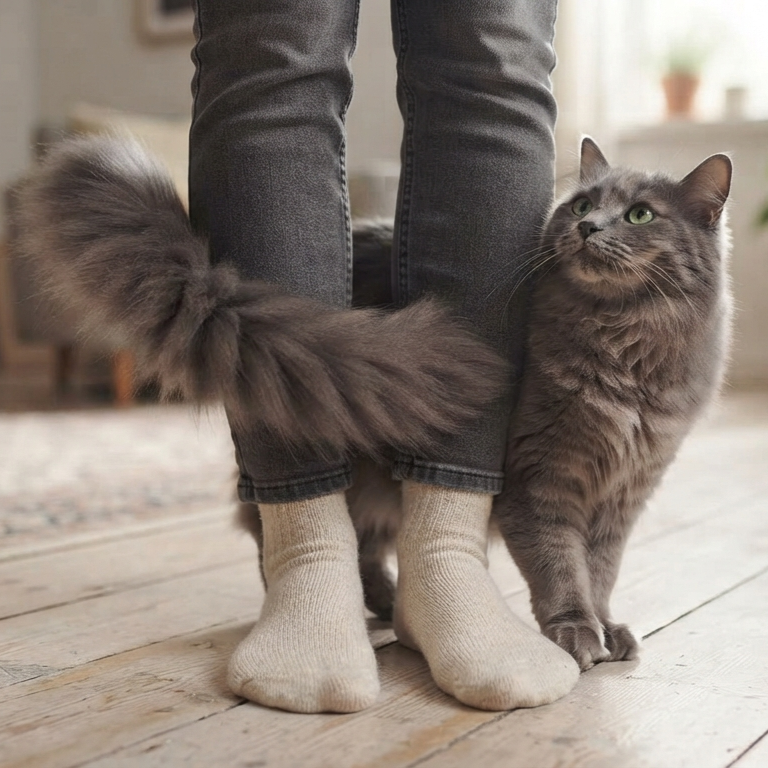

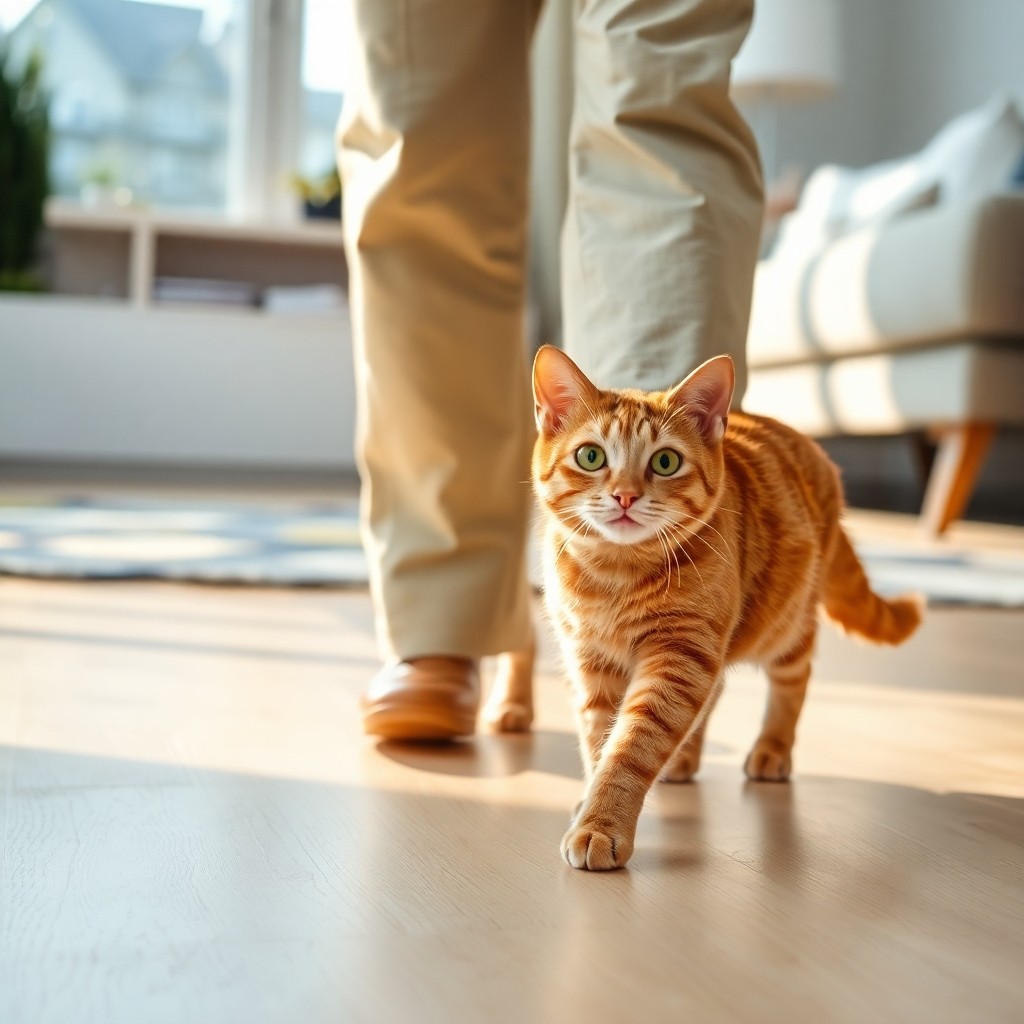
If you have ever tried to walk to the kitchen only to nearly trip over your cat for the fifth time today, you already know what it is like to have a feline shadow. While it is easy to write off this constant trailing as a sudden burst of affection, your cat usually has a very specific message behind the endless pacing right at your heels.
A cat suddenly following you everywhere is typically seeking attention, resources, or reassurance due to environmental stress, but it can also indicate underlying separation anxiety or an onset of a medical issue that requires a vet’s attention. Understanding this sudden behavior change requires looking past the surface to evaluate your cat’s immediate environment, daily routine, and physical health.
The Core Reasons Behind the Shadow Behavior
Cats are creatures of habit. When they depart from their usual independent nature to follow you relentlessly, it is driven by one of several distinct behavioral or biological triggers.
- Search for Security and Reassurance: If there has been a recent change in your household, such as a move, a new pet, a new baby, or even loud construction outside, your cat may view you as their ultimate safe zone. By staying close, they leverage your presence to feel secure in an environment they currently perceive as unpredictable.
- Boredom and Mental Understimulation: Indoor cats require consistent cognitive engagement. If your cat lacks interactive toys, scratching posts, or structured play sessions, they will target you as their primary source of entertainment. Following you is their way of asking for stimulation.
- Resource Association (The Food Cue): Your cat easily associates your movement with positive outcomes. If walking to the kitchen usually results in a treat, a fresh bowl of kibble, or a clean litter box, your cat will shadow you to ensure they do not miss out on these resources.
- Separation Anxiety and Hyper-Attachment: Some cats develop a deep, codependent bond with their owners. If you have recently changed your work schedule or spent more time away from home, your cat may experience distress when you are out of sight, leading to clingy behavior the moment you return.
- Age-Related Cognitive Decline: Senior cats (typically those aged 11 and older) can experience feline cognitive dysfunction, similar to dementia in humans. This disorientation often causes them to seek out their owners constantly for guidance and comfort.
- Underlying Medical Discomfort: When a cat feels unwell, their natural instinct is either to hide or to seek intense comfort from their primary caretaker. Conditions like hyperthyroidism, high blood pressure, or chronic pain can cause sudden behavioral shifts, including relentless shadowing.
Behavioral vs. Medical Triggers: Knowing the Difference
Distinguishing between a behavioral cry for attention and a medical emergency is vital for your cat’s long-term health. While a behavioral trigger develops gradually or immediately after a known household shift, medical triggers are often accompanied by subtle physical symptoms.
Keep a close watch on your cat’s body language. If they follow you while purring, holding their tail high with a slight curve at the tip, and blinking softly, they are likely seeking social connection or food. Conversely, if your cat is shadowing you while vocalizing loudly, panting, keeping their tail low, or showing changes in appetite and litter box habits, this points toward a physical ailment. For owners, this means you must schedule a comprehensive veterinary checkup rather than attempting behavioral modification first.
Common Mistakes Owners Make with Clingy Cats
Addressing this sudden behavior incorrectly can accidentally reinforce the clinginess or increase your cat’s anxiety levels.
Mistakes to Avoid
- Accidentally Rewarding the Clingy Behavior: Giving your cat a treat or a petting session the exact moment they trip you in the hallway teaches them that following you closely yields immediate rewards.
- Using Punitive Measures: Shouting, pushing your cat away, or locking them out of rooms out of frustration will elevate their stress levels, worsening any underlying anxiety and damaging your bond.
- Ignoring Sudden Vocalization Changes: If the shadowing behavior is paired with new, persistent meowing, do not assume they are simply being vocal. This is often a direct sign of physical pain or cognitive confusion.
- Neglecting Environmental Enrichment: Assuming your cat is fine just because they have toys scattered on the floor is a mistake. Cats need active play that mimics hunting behaviors to truly expend their mental and physical energy.
Action Plan: How to Restore Balance and Independence
To help your cat feel secure while regaining your personal space, implement a structured approach to rebuilding their confidence.
First, establish a predictable daily routine. Cats thrive on predictability. Feed them, clean their litter box, and initiate play at the exact same times every day. This consistency reduces environmental anxiety, as they no longer feel the need to shadow you to figure out when their next meal is coming.
Second, introduce active environmental enrichment. Swap out static toys for interactive puzzle feeders that challenge your cat mentally. Provide vertical spaces, like cat trees or window perches, which allow them to survey their territory from a position of security without relying on your presence.
Third, dedicate fifteen minutes twice a day to focused, active play using wand toys or laser pointers. Allow your cat to catch the toy at the end of the session to satisfy their natural predatory drive, then follow up immediately with a small meal. This routine satisfies their physical needs and promotes deep, relaxed sleep, giving you the freedom to move around your home uninterrupted.
Frequently Asked Questions
Should I ignore my cat when they follow me?
You should not ignore them completely, especially if the behavior started suddenly, as it could indicate pain or distress. Instead, ignore the behavior when you know they are simply demanding attention or treats, but reward them with affection when they are calm and resting independently.
Can a sudden change in environment cause this behavior?
Yes. Rearranging furniture, moving to a new home, welcoming a new pet, or changing your daily work schedule can disrupt a cat’s sense of security, prompting them to follow you closely for reassurance.
When should I take my clingy cat to the vet?
Schedule a veterinary visit immediately if the sudden shadowing is accompanied by physical symptoms such as lethargy, changes in eating or drinking habits, hiding, unusual vocalizations, or vomiting.